
Scalable Production of Bio-based FDCA Monomers from Bamboo Biomass for Sustainable Polyester Manufacturing
Scalable Production of Bio-based FDCA Monomers from Bamboo Biomass for Sustainable Polyester Manufacturing
The global shift towards sustainable materials has intensified the search for renewable alternatives to petroleum-based polyesters. A pivotal development in this domain is detailed in patent CN111606875B, which outlines a robust method for preparing 2,5-furandicarboxylic acid (FDCA) monomers directly from bamboo biomass. This technology represents a significant leap forward for the bio-based polyester industry, addressing critical bottlenecks related to raw material availability and process efficiency. By utilizing abundant bamboo resources rather than expensive sugars or starches, this approach offers a viable pathway for the commercial scale-up of complex polymer additives and monomers. The process ingeniously navigates the instability issues of traditional intermediates by employing 5-Chloromethylfurfural (CMF) as a stable platform compound, subsequently converting it to 5-Hydroxymethylfurfural (HMF) and finally oxidizing it to FDCA. For R&D directors and procurement strategists, understanding this workflow is essential for securing a reliable bio-based monomer supplier capable of meeting the rigorous demands of next-generation PEF (polyethylene furanoate) production.
The Limitations of Conventional Methods vs. The Novel Approach
The Limitations of Conventional Methods
Traditional routes for FDCA synthesis often rely on fructose or direct HMF oxidation, both of which present substantial economic and technical hurdles. Fructose is a high-cost feedstock that competes with food supply chains, leading to volatile pricing and supply insecurity for large-scale polymer synthesis additives manufacturing. Furthermore, direct acid hydrolysis of cellulosic biomass to HMF is plagued by the poor solubility of cellulose and the extreme chemical instability of HMF under acidic and thermal conditions. This instability necessitates low solid-to-liquid ratios, resulting in massive solvent volumes and energy-intensive downstream processing. Additionally, many existing protocols require concentrated hydrochloric acid systems, which impose severe corrosion requirements on reactor materials, driving up capital expenditure (CAPEX) for plant construction. The accumulation of salt by-products, particularly chlorides, during hydrolysis further complicates the purification process, often requiring energy-heavy distillation steps that degrade the sensitive HMF molecule, ultimately lowering overall yield and purity.
The Novel Approach
The methodology disclosed in CN111606875B introduces a transformative strategy by leveraging the superior stability of CMF as a key intermediate. Instead of struggling with unstable HMF directly from cellulose, the process first converts bamboo powder into CMF using a dilute hydrochloric acid and chloride salt system. This shift allows for higher solid loading and more efficient extraction into an organic phase, drastically reducing solvent usage. The subsequent hydrolysis of CMF to HMF is conducted in the presence of calcium carbonate, which neutralizes generated HCl in situ, preventing the degradation of HMF. Crucially, the process integrates an electrodialysis step to remove inhibitory salts like calcium chloride prior to the final oxidation. This eliminates the need for high-energy vacuum rectification for HMF purification. By combining dilute acid hydrolysis with advanced desalting techniques, this novel approach achieves cost reduction in polyester manufacturing through lower raw material costs, reduced energy consumption, and minimized equipment corrosion, making it highly attractive for industrial adoption.
Mechanistic Insights into Dilute Acid Hydrolysis and Electrodialytic Desalting
The core chemical innovation lies in the stabilization of the furan ring during the initial hydrolysis phase. In conventional acid hydrolysis, the hydroxymethyl group of HMF is prone to rehydration and polymerization into humins, especially in the presence of strong acids. By introducing a chloride source alongside dilute hydrochloric acid, the reaction selectively favors the formation of the chloromethyl group, yielding CMF. The chlorine atom acts as a protecting group, significantly enhancing the thermal and chemical stability of the furan derivative. This stability permits the use of higher reaction temperatures (100-150°C) and concentrations without significant degradation, facilitating a high-yield extraction into organic solvents like dichloroethane. The subsequent conversion of CMF back to HMF is carefully controlled using calcium carbonate. The carbonate neutralizes the hydrochloric acid released during hydrolysis, maintaining a pH environment that favors HMF formation while suppressing side reactions. However, this neutralization generates calcium chloride, a salt known to inhibit noble metal catalysts used in the final oxidation step.
To overcome this inhibition, the process employs electrodialysis, a membrane-based separation technique that selectively removes ionic species from the HMF solution. Unlike traditional ion exchange or precipitation methods, electrodialysis operates continuously and efficiently, stripping away calcium and chloride ions without exposing the thermally sensitive HMF to high temperatures or harsh chemical treatments. This results in a desalted HMF stream that is ideal for catalytic oxidation. In the final stage, the desalted HMF undergoes aerobic oxidation in the presence of a base (sodium carbonate) and a supported noble metal catalyst, such as Pt/C or Ru/C. The base converts the formed FDCA into its soluble sodium salt, driving the reaction equilibrium forward and preventing product precipitation on the catalyst surface, which ensures high conversion rates and selectivity. This mechanistic sequence ensures that the final high-purity FDCA meets the stringent specifications required for polymerization into high-performance bio-polyesters.
How to Synthesize 2,5-Furandicarboxylic Acid Efficiently
The synthesis of FDCA from bamboo biomass involves a carefully orchestrated sequence of hydrolysis, extraction, desalting, and oxidation steps designed to maximize yield while minimizing energy input. The process begins with the pretreatment of bamboo powder, which is hydrolyzed in a biphasic system to generate the stable CMF intermediate. Following extraction and purification, the CMF is converted to HMF under buffered conditions to prevent degradation. The critical innovation of electrodialysis is then applied to prepare the substrate for oxidation. The detailed operational parameters, including specific temperatures, pressures, and catalyst loadings, are critical for reproducibility and scale-up success. For a comprehensive breakdown of the standardized synthetic procedure, please refer to the technical guide below.
- Hydrolyze bamboo powder using a chlorine salt-hydrochloric acid aqueous solution and extract with an organic phase to obtain crude CMF.
- Neutralize the CMF crude product with sodium carbonate, recover the organic phase via reduced pressure distillation, and purify to obtain CMF product.
- Hydrolyze the CMF product in a calcium carbonate solution to obtain crude HMF, followed by electrodialysis treatment to remove salts.
- Perform catalytic oxidation on the desalted HMF using a noble metal catalyst (e.g., Pt/C) and sodium carbonate to synthesize FDCA.
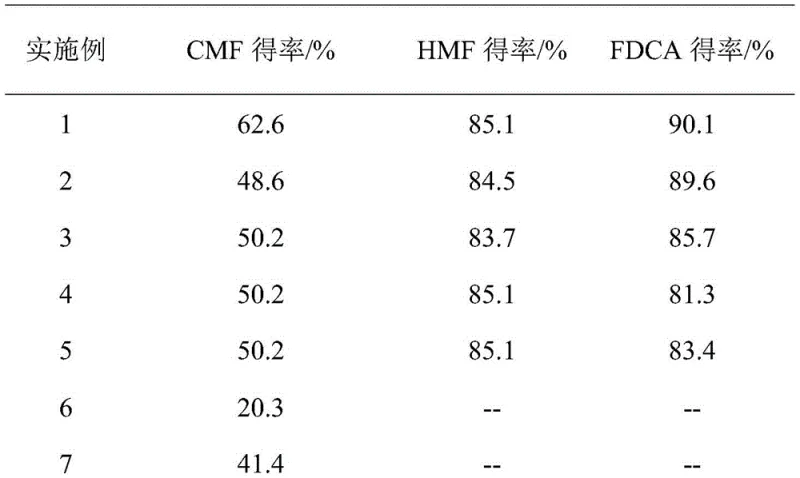
Commercial Advantages for Procurement and Supply Chain Teams
For procurement managers and supply chain leaders, the adoption of this bamboo-based FDCA production method offers compelling strategic advantages beyond mere technical feasibility. The primary benefit stems from the decoupling of monomer production from food-competing feedstocks like fructose or glucose. Bamboo is a rapidly renewable, non-food biomass with a robust supply chain, ensuring long-term supply chain reliability and price stability for raw materials. This shift mitigates the risk of market volatility associated with agricultural commodities, providing a more predictable cost structure for long-term contracts. Furthermore, the use of dilute hydrochloric acid instead of concentrated acid significantly reduces the corrosive load on production infrastructure. This translates to lower maintenance costs and extended equipment lifespan, directly impacting the total cost of ownership for manufacturing facilities. The integration of electrodialysis also represents a substantial improvement in energy efficiency compared to traditional thermal separation methods.
- Cost Reduction in Manufacturing: The elimination of expensive sugar feedstocks and the use of low-cost bamboo biomass fundamentally alter the cost basis of FDCA production. By avoiding the high energy penalties associated with concentrating dilute HMF streams via evaporation or distillation, the process achieves significant operational expenditure (OPEX) savings. The ability to recycle the hydrolysis solvent system further enhances economic efficiency by reducing waste disposal costs and raw material consumption. Additionally, the high stability of the CMF intermediate minimizes yield losses due to degradation, ensuring that a greater proportion of the input biomass is converted into valuable saleable product, thereby optimizing the overall material balance and profitability.
- Enhanced Supply Chain Reliability: Sourcing raw materials from established forestry or bamboo industries provides a more resilient supply chain compared to reliance on seasonal agricultural crops. Bamboo's fast growth cycle and high biomass density ensure a consistent year-round supply, reducing the risk of production interruptions due to harvest failures or seasonal shortages. The simplified purification train, facilitated by the stability of intermediates and electrodialytic desalting, also reduces the complexity of the manufacturing process. This simplicity lowers the barrier for technology transfer and scale-up, enabling faster deployment of production capacity to meet growing market demand for bio-based plastics and fibers.
- Scalability and Environmental Compliance: The process is inherently designed for scalability, utilizing unit operations such as liquid-liquid extraction and electrodialysis that are well-understood in the chemical industry. The avoidance of concentrated acids and the efficient removal of salt by-products simplify waste treatment protocols, aiding in compliance with increasingly strict environmental regulations. The use of renewable bamboo aligns with corporate sustainability goals and carbon reduction targets, adding value to the final polymer products in markets that prioritize eco-friendly credentials. This alignment facilitates easier market entry for downstream customers seeking to enhance the green profile of their product portfolios.
Frequently Asked Questions (FAQ)
The following questions address common technical and commercial inquiries regarding the production of FDCA from bamboo biomass. These insights are derived from the specific embodiments and comparative data presented in the patent literature, focusing on the practical implications for industrial implementation. Understanding these nuances is vital for stakeholders evaluating the feasibility of integrating bio-based monomers into their existing supply chains. The answers provided reflect the optimized conditions and mechanistic rationales that distinguish this technology from conventional approaches.
Q: Why is CMF used as an intermediate instead of directly converting cellulose to HMF?
A: Cellulosic biomass is poorly soluble and HMF is chemically unstable under acid-base and thermal conditions. CMF offers improved chemical stability compared to HMF, allowing for easier separation and purification via traditional technologies like vacuum rectification, thereby avoiding the low solid-to-liquid ratio limitations of direct cellulose conversion.
Q: What is the advantage of using electrodialysis in this process?
A: During the hydrolysis of CMF to HMF, calcium chloride is generated as a by-product which can inhibit subsequent oxidation reactions. Electrodialysis efficiently removes these salts without the high energy consumption and inefficiency associated with conventional rectification and column adsorption methods for HMF separation.
Q: How does this method address equipment corrosion issues common in biomass hydrolysis?
A: Unlike traditional methods that require large quantities of concentrated hydrochloric acid which demand highly resistant production equipment, this method utilizes a dilute hydrochloric acid system cooperated with chloride salts. This significantly reduces the corrosive demand on industrial reactors while maintaining high hydrolysis efficiency.
Partnering with NINGBO INNO PHARMCHEM: Your Reliable 2,5-Furandicarboxylic Acid Supplier
The transition to bio-based materials requires partners who possess not only technical expertise but also the capacity to deliver at scale. NINGBO INNO PHARMCHEM stands ready to support your development needs with extensive experience scaling diverse pathways from 100 kgs to 100 MT/annual commercial production. Our commitment to quality ensures that all bio-based monomers, including FDCA derivatives, are produced under stringent purity specifications and validated through our rigorous QC labs. We understand the critical nature of impurity profiles in polymerization reactions and work closely with clients to tailor purification processes that meet exact performance criteria. Whether you are developing new biodegradable packaging or high-performance fibers, our team provides the technical foundation necessary for successful product commercialization.
We invite you to engage with our technical procurement team to discuss how this innovative bamboo-to-FDCA technology can be integrated into your supply chain. By requesting a Customized Cost-Saving Analysis, you can gain a clearer understanding of the economic benefits specific to your volume requirements. We encourage potential partners to contact us for specific COA data and route feasibility assessments to ensure that our capabilities align perfectly with your project milestones. Let us collaborate to drive the future of sustainable polymers together, leveraging advanced chemistry to create value for your business and the environment.