
Advanced Continuous Flow Solid-Phase Synthesis for High-Purity Liraglutide Manufacturing
Introduction to Next-Generation Peptide Manufacturing
The pharmaceutical industry is witnessing a paradigm shift in the production of complex polypeptide therapeutics, driven by the urgent need for higher purity, reduced environmental impact, and scalable manufacturing processes. Patent CN111732649B introduces a groundbreaking method for preparing liraglutide, a critical GLP-1 receptor agonist used in the treatment of type 2 diabetes, by combining a continuous flow solid-phase synthesis system with advanced resin technologies. This innovation addresses the longstanding bottlenecks of traditional intermittent solid-phase peptide synthesis (SPPS), such as incomplete coupling, significant racemization, and excessive solvent consumption. By leveraging continuous flow dynamics, the process achieves ultra-high efficiency and cost-effectiveness, positioning it as a vital technology for any reliable liraglutide intermediate supplier aiming to meet the rigorous demands of global regulatory bodies and commercial markets.
The core of this technological breakthrough lies in the strategic integration of highly swellable polyethylene glycol (PEG) modified resins with a continuous flow reactor setup. Unlike conventional batch reactors where mass transfer limitations often hinder reaction kinetics, the continuous flow system ensures that activated amino acids and deprotection reagents are constantly refreshed and uniformly distributed across the resin bed. This approach not only accelerates the synthesis timeline drastically but also enhances the structural integrity of the growing peptide chain, minimizing the formation of deletion sequences and epimerization byproducts that plague long-chain polypeptide synthesis. For R&D directors and process chemists, this represents a significant leap forward in achieving consistent, high-quality crude products that simplify downstream purification.
The Limitations of Conventional Methods vs. The Novel Approach
The Limitations of Conventional Methods
Traditional intermittent solid-phase synthesis has long been the standard for producing polypeptide drugs, yet it suffers from inherent inefficiencies that become magnified as the peptide chain length increases. In conventional batch processes, the coupling time for each amino acid addition typically ranges from 1 to 3 hours, leading to prolonged production cycles that are ill-suited for large-scale commercial manufacturing. Furthermore, traditional polystyrene-based resins often exhibit poor swelling properties in organic solvents, which restricts the accessibility of active sites within the resin matrix. This physical limitation results in incomplete coupling reactions, necessitating double coupling steps that further inflate reagent costs and waste generation. Additionally, the accumulation of steric hindrance and inter-chain aggregation in long sequences frequently leads to difficult-to-remove impurities and significant racemization, particularly at sensitive residues like serine and histidine.
The Novel Approach
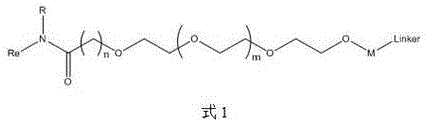
The novel approach detailed in the patent overcomes these hurdles by implementing a continuous flow solid-phase synthesis strategy that fundamentally alters the reaction environment. By utilizing resins with exceptional swelling capabilities, such as PEG-grafted polystyrene or pure PEG matrices, the system ensures that the internal surface area of the resin is fully accessible to reagents. The continuous circulation of solvents and reagents through the synthesis column allows for rapid mass transfer, reducing the coupling time for each amino acid to less than 30 minutes without compromising yield. Moreover, the integration of pseudo-proline dipeptides and specific protecting group strategies, such as double Boc protection for arginine, effectively disrupts secondary structure formation and prevents aggregation. This results in a crude product with significantly higher purity, reducing the burden on preparative HPLC and lowering the overall cost of goods sold.
Mechanistic Insights into Continuous Flow Solid-Phase Peptide Synthesis
The mechanistic superiority of this process stems from the synergistic interaction between the flow dynamics and the chemical architecture of the resin support. In a continuous flow reactor, the activation of amino acids occurs in a dedicated mixing zone or tubular reactor prior to entering the resin column, ensuring that the active ester species are generated at optimal temperatures (30-70°C) and immediately utilized. This minimizes the residence time of activated species, thereby reducing the risk of racemization which is a common side reaction in batch processes where activated amino acids may sit for extended periods. The flow system also facilitates precise control over deprotection conditions; for instance, Fmoc removal can be completed in 5-20 minutes using mild bases like piperidine or DBU, with the effluent continuously monitored to ensure complete deprotection before the next coupling cycle begins.
Impurity control is another critical aspect where this mechanism excels. The use of pseudo-proline dipeptides, specifically Ser(Psi-me,me-Pro), introduces a conformational kink in the peptide backbone that prevents the formation of beta-sheet aggregates, which are notorious for causing coupling failures in difficult sequences. Additionally, the strategic placement of high-purity fragments, such as the Boc-His-Ala-Glu-Gly segment, at the final stages of synthesis helps to distinguish the main product from smaller deletion impurities during purification. The employment of double Boc-protected arginine residues allows for cleavage under milder acidic conditions (lower TFA concentration), preserving acid-sensitive residues like tryptophan and methionine that might otherwise degrade. This meticulous attention to chemical detail ensures that the final API meets stringent pharmacopeial standards.
How to Synthesize Liraglutide Efficiently
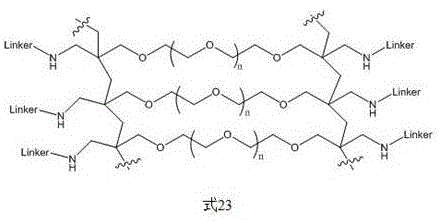
The synthesis of liraglutide via this continuous flow method involves a systematic sequence of resin loading, iterative coupling, and final cleavage, all optimized for maximum throughput and minimal waste. The process begins with the preparation of a functionalized resin, such as Fmoc-Gly-HMPA-PEG-Carboxyl-PS, which serves as the anchor for the growing peptide chain. Detailed standardized synthesis steps, including specific flow rates, activation temperatures, and reagent concentrations, are outlined in the technical guidelines below to ensure reproducibility and safety during scale-up operations.
- Load Fmoc-Gly onto PEG-modified resin (e.g., HMPA-PEG-Carboxyl-PS) and swell in organic solvent.
- Perform continuous flow coupling cycles: activate protected amino acids/fragments in a tubular reactor, pump through the resin column, and circulate for reaction.
- Execute Fmoc deprotection using piperidine/DBU solutions, followed by final cleavage and purification to obtain high-purity liraglutide.
Commercial Advantages for Procurement and Supply Chain Teams
For procurement managers and supply chain heads, the transition to continuous flow solid-phase synthesis offers transformative economic and operational benefits that directly impact the bottom line. The primary advantage lies in the drastic reduction of raw material consumption; because the continuous flow system achieves near-quantitative coupling efficiencies, the excess of expensive protected amino acids and condensation reagents required can be significantly minimized compared to batch processes. Furthermore, the ability to use a single, non-flammable solvent system throughout the synthesis simplifies solvent recovery and recycling protocols, leading to substantial cost savings in waste disposal and raw material procurement. This efficiency translates into a more competitive pricing structure for the final active pharmaceutical ingredient, making it an attractive option for cost-sensitive markets.
- Cost Reduction in Manufacturing: The elimination of transition metal catalysts and the reduction in solvent volume per kilogram of product directly lower the variable costs associated with production. By shortening the reaction time for each coupling step from hours to minutes, the overall equipment utilization rate is maximized, allowing for higher throughput without the need for additional capital investment in reactor hardware. The improved crude purity also reduces the load on downstream purification columns, extending their lifespan and reducing the frequency of costly resin replacement and solvent usage during the polishing stages.
- Enhanced Supply Chain Reliability: The continuous nature of the process mitigates the risks associated with batch-to-batch variability, ensuring a consistent supply of high-quality intermediates. The use of robust, commercially available PEG-modified resins ensures that raw material sourcing is stable and not dependent on obscure or single-source suppliers. Additionally, the simplified workflow reduces the complexity of the manufacturing schedule, allowing for more accurate forecasting and shorter lead times for order fulfillment, which is critical for maintaining inventory levels in the volatile pharmaceutical market.
- Scalability and Environmental Compliance: Scaling up continuous flow processes is inherently safer and more manageable than scaling batch reactors, as the reaction volume at any given moment remains small, reducing the risk of thermal runaway or exothermic events. The process generates significantly less hazardous waste due to higher atom economy and efficient solvent recycling, aligning with increasingly strict environmental regulations and corporate sustainability goals. This green chemistry approach not only future-proofs the manufacturing site against regulatory changes but also enhances the brand reputation of the supplier as a responsible partner in the global supply chain.
Frequently Asked Questions (FAQ)
The following questions address common technical and commercial inquiries regarding the implementation of continuous flow synthesis for liraglutide, providing clarity on process robustness and quality assurance measures. These insights are derived directly from the experimental data and process descriptions found in the patent literature, offering a transparent view of the technology's capabilities and limitations for potential partners and stakeholders.
Q: What are the advantages of continuous flow solid-phase synthesis over batch methods for liraglutide?
A: Continuous flow synthesis significantly reduces coupling times from hours to minutes, improves resin swelling for better reagent access, and minimizes racemization and deletion sequences compared to traditional intermittent batch processes.
Q: How does the patent address the issue of arginine side-chain protection?
A: The method utilizes double Boc protection for arginine residues, allowing for milder cleavage conditions with lower TFA concentrations, thereby reducing side reactions and improving crude peptide purity.
Q: Which resin types are recommended for this continuous flow process?
A: The patent recommends polyethylene glycol-modified resins such as Linker-PEG-PS, ChemMatrix, or PEGA resins, which offer superior swelling properties essential for efficient continuous flow reactions.
Partnering with NINGBO INNO PHARMCHEM: Your Reliable Liraglutide Supplier
At NINGBO INNO PHARMCHEM, we recognize the critical importance of adopting cutting-edge synthesis technologies to deliver superior pharmaceutical intermediates. Our team possesses extensive experience scaling diverse pathways from 100 kgs to 100 MT/annual commercial production, ensuring that the theoretical benefits of continuous flow synthesis are fully realized in practical, GMP-compliant manufacturing environments. We maintain stringent purity specifications and operate rigorous QC labs equipped with state-of-the-art analytical instruments to verify the identity and quality of every batch, guaranteeing that our liraglutide intermediates meet the highest global standards for safety and efficacy.
We invite you to collaborate with us to leverage these advanced manufacturing capabilities for your next project. Our technical procurement team is ready to provide a Customized Cost-Saving Analysis tailored to your specific volume requirements and quality targets. Please contact us to request specific COA data and route feasibility assessments, and let us demonstrate how our expertise in continuous flow peptide synthesis can drive value and reliability in your supply chain.