
Scaling High-Purity Androstenedione Production via Advanced Double Liquid Phase Fermentation Technology
The pharmaceutical industry continuously seeks robust and scalable pathways for producing critical steroid intermediates, and Patent CN103255191A presents a transformative approach to synthesizing Androstenedione. This specific intellectual property details a sophisticated double liquid phase fermentation method that utilizes Mycobacterium sp. DE6823 to degrade plant sterols efficiently. Unlike traditional single-phase aqueous fermentations that struggle with substrate solubility, this innovation introduces a strategic oil phase—selectable from rice oil, sunflower oil, soybean oil, or peanut oil—to create a biphasic system. This architectural change in the fermentation medium fundamentally resolves the mass transfer limitations inherent in sterol biotransformation. The result is a streamlined process that yields Androstenedione with exceptional purity levels exceeding 99% after a series of refined downstream processing steps including condensation, decoloring, and vacuum drying. For global procurement teams, this technology represents a pivotal shift away from ecologically damaging plant extraction towards a controlled, industrial-grade biological manufacturing platform.
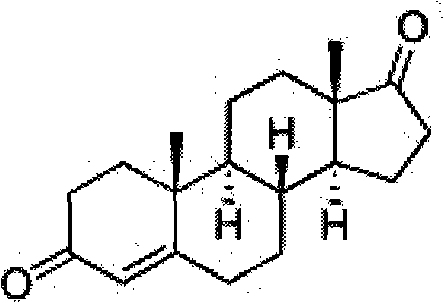
The Limitations of Conventional Methods vs. The Novel Approach
The Limitations of Conventional Methods
Historically, the production of Androstenedione has been heavily reliant on the extraction of diosgenin from wild yam species such as Dioscorea nipponica, a resource that is increasingly scarce and geographically constrained. This traditional chemosynthetic route is plagued by significant supply chain vulnerabilities, as the availability of raw materials is strictly dictated by seasonal harvest cycles and regional agricultural conditions. Furthermore, the extensive cultivation and harvesting of these wild plants have led to severe ecological degradation, raising sustainability concerns for environmentally conscious pharmaceutical manufacturers. From a technical standpoint, the chemical conversion of diosgenin often involves harsh reagents and multi-step syntheses that can introduce complex impurity profiles, necessitating costly and time-consuming purification protocols. The inability to guarantee a consistent, year-round supply of high-quality starting material creates bottlenecks that destabilize production schedules and inflate operational costs for downstream API manufacturers.
The Novel Approach
In stark contrast, the novel double liquid phase fermentation technology described in the patent offers a resilient and scientifically superior alternative that decouples production from agricultural variables. By employing a biphasic system where an organic oil phase coexists with an aqueous fermentation broth, the process dramatically increases the solubility of the hydrophobic plant sterol substrate, thereby enhancing the bioavailability for the microbial strain. This method effectively couples the biological transformation with an in-situ extraction mechanism, which mitigates the inhibitory effects of metabolites on the bacterial growth and enzymatic activity. The utilization of Mycobacterium sp. DE6823 allows for the selective cleavage of the sterol side chain under mild physiological conditions, preserving the integrity of the steroid nucleus while minimizing the formation of unwanted by-products. This approach not only simplifies the operational workflow but also aligns with green chemistry principles by reducing the reliance on volatile organic solvents and hazardous chemical reagents typically associated with total synthesis.
Mechanistic Insights into Mycobacterium-Mediated Side-Chain Degradation
The core of this technological breakthrough lies in the precise metabolic engineering and fermentation control of the Mycobacterium sp. DE6823 strain within a optimized biphasic environment. The mechanism relies on the bacterium's innate ability to utilize the sterol side chain as a carbon source while leaving the tetracyclic steroid nucleus intact, a process known as side-chain degradation. In the double liquid phase system, the plant sterol dissolves preferentially into the oil droplets dispersed throughout the aqueous medium, creating a large interfacial area for mass transfer. As the bacteria metabolize the sterol at this interface, the resulting Androstenedione, being less polar than the substrate but still hydrophobic, partitions into the oil phase or precipitates, effectively removing it from the immediate cellular environment. This continuous removal prevents product inhibition, a common phenomenon where high concentrations of the product suppress the enzymatic activity of the 3-ketosteroid-Δ1-dehydrogenase and other key oxidoreductases involved in the pathway. The careful regulation of pH between 8.2 and 8.4, along with temperature control at 30°C-32°C, ensures optimal enzyme kinetics and cell viability throughout the 6 to 12-day fermentation cycle.
Impurity control is rigorously managed through the integration of membrane separation technology during the downstream processing phase, which represents a significant advancement over traditional solvent extraction methods. Following fermentation, the addition of electrolytes such as sodium chloride or potassium carbonate facilitates rapid phase separation, allowing the oil phase containing the crude product to be isolated with high efficiency. The subsequent use of polypropylene membrane filtration enables the selective permeation of the extraction solvent (ethanol or acetone) while retaining larger lipid molecules and cellular debris, resulting in a clarified solution ready for concentration. This physical separation method minimizes the co-extraction of polar impurities and residual fermentation media components that often complicate crystallization. Finally, the recrystallization from acetone followed by vacuum drying ensures the removal of trace solvents and color bodies, yielding a final product with a purity profile that consistently surpasses the 99% threshold required for sensitive hormonal syntheses.
How to Synthesize Androstenedione Efficiently
The synthesis of Androstenedione via this patented route requires precise adherence to the biphasic fermentation parameters to maximize conversion efficiency and product quality. The process begins with the preparation of a sterile fermentation medium where the oil phase acts as both a solvent for the sterol substrate and a reservoir for the product, effectively increasing the loading capacity of the bioreactor. Operators must maintain strict control over agitation speeds, typically between 130 to 300 r/min, to ensure adequate oxygen transfer and emulsion stability without causing shear damage to the mycobacterial cells.
- Inoculate Mycobacterium sp. DE6823 into a fermentation medium containing an aqueous phase and a selected oil phase (e.g., rice oil, soybean oil) with plant sterol substrate.
- Maintain fermentation at 30°C-32°C with controlled pH (8.2-8.4) and stirring for 6-12 days to facilitate side-chain degradation.
- Separate the oil phase, extract with ethanol or acetone, filter through a membrane, decolorize with activated carbon, and crystallize to obtain >99% purity Androstenedione.
Commercial Advantages for Procurement and Supply Chain Teams
For procurement managers and supply chain directors, the adoption of this double liquid phase fermentation technology translates into tangible strategic benefits that extend far beyond simple yield improvements. The primary advantage lies in the stabilization of the raw material supply chain; by shifting from season-dependent wild plant extraction to a fermentation-based model using widely available plant sterols, manufacturers can secure a continuous, year-round production schedule that is immune to agricultural fluctuations. This reliability is crucial for maintaining just-in-time inventory levels and meeting the demanding delivery timelines of global pharmaceutical clients. Furthermore, the simplification of the downstream processing workflow, particularly the replacement of complex solvent extraction trains with efficient membrane filtration, drastically reduces the consumption of energy and organic solvents. This reduction in operational complexity directly correlates to lower utility costs and a smaller environmental footprint, positioning the manufacturer favorably in markets with strict regulatory compliance standards regarding waste disposal and emissions.
- Cost Reduction in Manufacturing: The elimination of expensive and ecologically sensitive raw materials like Dioscorea extracts significantly lowers the direct material costs associated with Androstenedione production. Additionally, the high conversion rates achieved through the biphasic system mean that less substrate is wasted, improving the overall atom economy of the process. The simplified purification train, which avoids multiple rounds of harsh chemical treatments, reduces the expenditure on reagents and waste treatment facilities. These cumulative efficiencies allow for a more competitive pricing structure without compromising on the stringent quality standards required for pharmaceutical intermediates.
- Enhanced Supply Chain Reliability: By decoupling production from the seasonal harvest cycles of wild yams, this technology ensures a consistent and predictable output volume that can be scaled according to market demand. The use of standardized fermentation protocols allows for easy replication across different manufacturing sites, mitigating the risk of supply disruptions caused by regional agricultural failures or geopolitical instability. This robustness provides a significant competitive edge in securing long-term contracts with major API producers who prioritize supply security above all else.
- Scalability and Environmental Compliance: The fermentation process is inherently scalable, capable of being transferred from laboratory benchtop scales to industrial bioreactors of 100 liters or more with minimal loss of efficiency. The reduced reliance on toxic organic solvents and the implementation of membrane technologies align with modern green chemistry initiatives, facilitating easier regulatory approvals in environmentally conscious jurisdictions. This forward-thinking approach not only future-proofs the manufacturing asset but also enhances the brand reputation of the supplier as a leader in sustainable pharmaceutical manufacturing practices.
Frequently Asked Questions (FAQ)
The following questions address critical technical and commercial aspects of the Androstenedione production process, derived directly from the detailed specifications and experimental data provided in the patent documentation. These insights are intended to clarify the operational feasibility and quality assurance mechanisms inherent in this advanced biotransformation method. Understanding these nuances is essential for technical evaluators assessing the viability of integrating this supply source into their existing value chains.
Q: How does the double liquid phase system improve Androstenedione yield compared to traditional methods?
A: The double liquid phase system significantly enhances the solubility of hydrophobic plant sterols, which are otherwise insoluble in water. By introducing an oil phase (such as rice or soybean oil), the substrate concentration increases, allowing the Mycobacterium strain better access to the sterol. This coupling of cell culture with product extraction reduces metabolic feedback inhibition, leading to higher conversion rates ranging from 59% to 85%.
Q: What are the purity specifications achievable with this membrane filtration technique?
A: The patented process utilizes advanced membrane separation techniques combined with activated carbon decolorization and recrystallization. This rigorous purification protocol consistently yields Androstenedione crystals with a purity exceeding 99.0%, meeting the stringent requirements for downstream steroid hormone synthesis.
Q: Does this biotransformation method offer environmental advantages over plant extraction?
A: Yes, this method eliminates the reliance on wild plant resources like Dioscorea nipponica, which are subject to seasonal limitations and ecological depletion. The fermentation process uses renewable plant sterols and generates less environmental pollution, offering a sustainable and industrially scalable alternative for global pharmaceutical supply chains.
Partnering with NINGBO INNO PHARMCHEM: Your Reliable Androstenedione Supplier
At NINGBO INNO PHARMCHEM, we recognize the critical role that high-purity Androstenedione plays in the global synthesis of corticosteroids, progestogens, and anabolic hormones. Our technical team possesses extensive experience scaling diverse pathways from 100 kgs to 100 MT/annual commercial production, ensuring that the transition from laboratory innovation to industrial reality is seamless and efficient. We are committed to maintaining stringent purity specifications through our rigorous QC labs, utilizing state-of-the-art analytical instrumentation to verify that every batch meets the exacting standards required by international pharmacopoeias. Our capability to implement advanced fermentation technologies, such as the double liquid phase system described herein, underscores our dedication to providing cutting-edge solutions that drive value for our partners.
We invite you to engage with our technical procurement team to discuss how our manufacturing capabilities can align with your specific project requirements. By requesting a Customized Cost-Saving Analysis, you can gain a deeper understanding of the economic benefits of switching to our fermentation-derived Androstenedione. We encourage potential partners to contact us directly to obtain specific COA data and comprehensive route feasibility assessments, allowing you to make informed decisions that optimize both your supply chain resilience and your bottom line.