
Advanced Synthesis of Beta-Diketones for High-Purity Herbicide Intermediates Manufacturing
Advanced Synthesis of Beta-Diketones for High-Purity Herbicide Intermediates Manufacturing
The global demand for high-efficiency agrochemicals continues to drive innovation in the synthesis of critical intermediates, particularly those serving as precursors for broad-spectrum herbicides. Patent CN1110476C introduces a transformative methodology for the preparation of beta-diketones, which serve as essential building blocks for 4-benzoylisoxazole derivatives. This intellectual property outlines a novel pathway utilizing beta-amino vinyl ketones as key intermediates, offering a distinct advantage over conventional multi-step syntheses. For R&D directors and procurement specialists in the agrochemical sector, understanding this technology is crucial for optimizing supply chains and reducing manufacturing costs. The patent details a robust condensation reaction between aromatic nitriles and methyl ketones, facilitated by strong bases, followed by a streamlined hydrolysis step. This approach not only simplifies the synthetic route but also enhances the overall yield and purity of the final beta-diketone products, addressing key pain points in the production of complex organic intermediates.
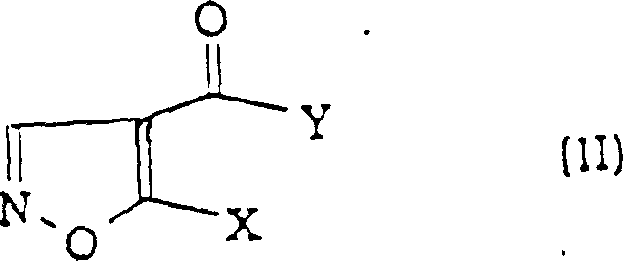
The Limitations of Conventional Methods vs. The Novel Approach
The Limitations of Conventional Methods
Traditionally, the synthesis of aromatic beta-diketones, which are pivotal for constructing the isoxazole ring found in many herbicides, has relied on cumbersome multi-step sequences. The conventional route typically begins with the hydrolysis of an aromatic nitrile to form the corresponding carboxylic acid, a step that often requires harsh acidic or basic conditions and generates significant waste. Subsequently, this acid must be esterified using fatty alcohols like methanol to produce an ester intermediate. Finally, this ester undergoes a Claisen condensation with a ketone in the presence of a strong base to yield the desired beta-diketone. Each of these stages necessitates separate isolation and purification steps, leading to accumulated material losses and increased operational complexity. Furthermore, the handling of large volumes of solvents and reagents across three distinct reaction phases significantly inflates the cost of goods sold (COGS) and extends the production lead time, creating bottlenecks for reliable agrochemical intermediate suppliers aiming to meet tight market demands.
The Novel Approach
In stark contrast, the methodology disclosed in CN1110476C revolutionizes this landscape by collapsing the synthetic sequence into a more direct and efficient pathway. The core innovation lies in the direct condensation of an aromatic nitrile with a methyl ketone in the presence of a strong alkoxide base to form a beta-amino vinyl ketone intermediate. This intermediate can then be hydrolyzed in situ or after isolation to yield the target beta-diketone. By bypassing the explicit formation and isolation of the carboxylic acid and ester intermediates, the novel approach drastically reduces the number of unit operations required. This telescoping of reactions not only minimizes solvent consumption and waste generation but also significantly improves the overall atom economy of the process. For manufacturing teams, this translates to a simplified workflow that is easier to control and scale, providing a strategic advantage in cost reduction in herbicide manufacturing without compromising on the structural integrity or purity of the final chemical entity.
Mechanistic Insights into Base-Catalyzed Condensation and Hydrolysis
The chemical elegance of this process is rooted in the nucleophilic attack of the enolate derived from the methyl ketone onto the electrophilic carbon of the nitrile group. Under the influence of strong bases such as sodium tert-butoxide or potassium isopropoxide, the methyl ketone forms a reactive enolate species which attacks the cyano group of the aromatic nitrile. This addition reaction, conducted in water-immiscible aprotic polar solvents like methyl tert-butyl ether (MTBE) or toluene at temperatures ranging from 30°C to 120°C, yields the beta-amino vinyl ketone. The choice of solvent is critical; it must facilitate the dissolution of reactants while allowing for easy phase separation during work-up. The reaction mechanism is highly sensitive to the steric and electronic properties of the substituents on the aromatic ring, with electron-withdrawing groups generally enhancing the electrophilicity of the nitrile carbon. This precise control over reaction conditions ensures high conversion rates, often exceeding 90% molar yield for the intermediate, demonstrating the robustness of the catalytic system employed in this patented technology.
Following the formation of the beta-amino vinyl ketone, the subsequent hydrolysis step is equally critical for obtaining the high-purity beta-diketone required for downstream applications. This transformation involves treating the amino vinyl ketone with a strong inorganic acid, such as sulfuric acid or hydrochloric acid, in the presence of water. The acid catalyzes the hydrolysis of the enamine functionality, cleaving the carbon-nitrogen bond and replacing the amino group with a carbonyl oxygen. This step can be performed in the same reactor vessel used for the condensation, further exemplifying the process efficiency. The reaction mixture typically separates into an organic phase containing the product and an aqueous phase containing the ammonium salts. Careful control of pH and temperature during this phase is essential to minimize the formation of by-products such as pyrimidines or amides, which can arise from side reactions of the intermediate. The ability to manage these impurity profiles effectively is a key consideration for R&D teams focused on impurity control mechanisms and regulatory compliance.
How to Synthesize Beta-Diketones Efficiently
The practical implementation of this synthesis route offers a clear roadmap for laboratories and production facilities aiming to adopt this superior technology. The process begins with the preparation of the reaction mixture under an inert atmosphere, ensuring that moisture and oxygen do not interfere with the sensitive enolate formation. Operators must carefully monitor the stoichiometry, typically employing a slight excess of the methyl ketone and the alkoxide base relative to the aromatic nitrile to drive the equilibrium towards the desired intermediate. Following the condensation phase, the reaction mixture is quenched and subjected to acidic hydrolysis. The detailed standardized synthesis steps for this procedure are outlined in the guide below, providing a comprehensive reference for technical teams looking to replicate these results with precision and safety.
- Condense an aromatic nitrile with a methyl ketone (1-4 moles) in an inert aprotic solvent using a strong alkoxide base at 30-120°C to form a beta-amino vinyl ketone intermediate.
- Optionally isolate the beta-amino vinyl ketone or proceed directly in the same reactor by adjusting pH and adding water.
- Perform acidic hydrolysis using a strong inorganic acid (e.g., sulfuric or hydrochloric acid) at 40-120°C to convert the intermediate into the target beta-diketone.
Commercial Advantages for Procurement and Supply Chain Teams
For procurement managers and supply chain heads, the adoption of this patented synthesis route presents compelling economic and logistical benefits that extend far beyond simple chemical yield improvements. The primary advantage lies in the substantial simplification of the supply chain for raw materials. By eliminating the need for pre-synthesized esters and carboxylic acids, manufacturers can source cheaper and more abundant starting materials like nitriles and ketones directly. This reduction in precursor complexity leads to significant cost savings in raw material acquisition and inventory management. Furthermore, the telescoped nature of the reaction sequence reduces the total processing time and energy consumption, as fewer heating and cooling cycles are required compared to the traditional three-step method. These efficiencies collectively contribute to a lower cost of production, allowing suppliers to offer more competitive pricing structures to their downstream clients in the agrochemical industry.
- Cost Reduction in Manufacturing: The elimination of the esterification step and the associated isolation procedures removes entire categories of operational costs, including reagent expenses for coupling agents and alcohol solvents. Additionally, the ability to perform the hydrolysis in the same vessel as the condensation minimizes equipment turnaround time and cleaning validation requirements. This streamlined approach reduces the overall manufacturing footprint and labor hours per kilogram of product, driving down the variable costs associated with production. Consequently, this creates a more resilient cost structure that can better absorb fluctuations in raw material prices, ensuring stable pricing for long-term contracts.
- Enhanced Supply Chain Reliability: Relying on fewer synthetic steps inherently reduces the risk of batch failures and supply disruptions. In a traditional multi-step synthesis, a failure at the esterification stage would halt the entire production line; however, this direct condensation method mitigates such single points of failure. The use of common, commercially available solvents like toluene and MTBE further enhances supply security, as these materials are widely sourced and less prone to shortage compared to specialized reagents. This reliability is crucial for maintaining consistent delivery schedules to global pharmaceutical and agrochemical partners, reinforcing the supplier's reputation as a dependable partner.
- Scalability and Environmental Compliance: The process is designed with scalability in mind, utilizing reaction conditions that are easily transferable from pilot scale to multi-ton commercial production. The reduced generation of waste streams, particularly the avoidance of large volumes of acidic or basic wastewater from the hydrolysis and esterification steps, simplifies environmental compliance and waste treatment protocols. This aligns with modern green chemistry principles and increasingly stringent environmental regulations, reducing the liability and overhead costs associated with waste disposal. The robust nature of the chemistry ensures that quality remains consistent even as production volumes increase, supporting the commercial scale-up of complex agrochemical intermediates.
Frequently Asked Questions (FAQ)
The following questions address common technical and commercial inquiries regarding the implementation of this beta-diketone synthesis technology. These insights are derived directly from the experimental data and claims presented in the patent documentation, providing clarity on the process capabilities and limitations. Understanding these details is essential for technical teams evaluating the feasibility of integrating this route into their existing manufacturing portfolios.
Q: How does this novel condensation method improve upon traditional Claisen condensation for beta-diketone synthesis?
A: The patented method eliminates the need for pre-forming esters from carboxylic acids, thereby reducing the total number of synthetic steps. By directly condensing aromatic nitriles with methyl ketones, the process avoids the harsh conditions and multiple isolation steps associated with traditional ester-based Claisen condensations, leading to a more efficient workflow.
Q: What is the impurity profile of the beta-diketones produced via this route?
A: The reaction may generate minor amounts of pyrimidine and amide by-products depending on the specific substituents and reaction conditions. However, these impurities can be effectively managed through standard work-up procedures such as aqueous extraction and recrystallization, ensuring the final product meets stringent purity specifications required for agrochemical applications.
Q: Is this synthesis route suitable for large-scale commercial production of herbicide intermediates?
A: Yes, the process utilizes readily available starting materials like aromatic nitriles and common methyl ketones, along with standard industrial solvents like toluene or MTBE. The reaction conditions operate at moderate temperatures and pressures, making the technology highly adaptable for commercial scale-up from pilot plants to multi-ton annual production facilities.
Partnering with NINGBO INNO PHARMCHEM: Your Reliable Beta-Diketones Supplier
At NINGBO INNO PHARMCHEM, we recognize the critical role that high-quality intermediates play in the development of next-generation agrochemicals. Our technical team possesses extensive experience scaling diverse pathways from 100 kgs to 100 MT/annual commercial production, ensuring that the transition from laboratory discovery to industrial reality is seamless. We are committed to delivering products that meet stringent purity specifications through our rigorous QC labs, which employ advanced analytical techniques to verify identity and assay. Our facility is equipped to handle the specific solvent systems and reaction conditions required for this base-catalyzed condensation, guaranteeing a consistent supply of high-purity beta-diketones for your herbicide synthesis needs.
We invite you to collaborate with us to leverage this advanced technology for your specific applications. Our experts are ready to provide a Customized Cost-Saving Analysis tailored to your volume requirements, demonstrating exactly how this streamlined process can optimize your budget. Please contact our technical procurement team today to request specific COA data and route feasibility assessments. Let us help you secure a competitive edge in the market with our reliable supply of premium agrochemical intermediates.