
Revolutionizing Dicarboxylic Acid Monoester Synthesis for Global Pharmaceutical Supply Chains
Revolutionizing Dicarboxylic Acid Monoester Synthesis for Global Pharmaceutical Supply Chains
The production of high-purity dicarboxylic acid monoesters represents a critical bottleneck in the synthesis of advanced pharmaceutical intermediates and specialized polymer additives. Traditional synthetic routes have long struggled with issues of selectivity, often yielding complex mixtures of di-esters and di-acids that require costly and wasteful purification steps. However, a groundbreaking technological shift is emerging from the insights detailed in Chinese Patent CN1125808C, which discloses a highly selective process for producing dicarboxylic acid monoesters through a novel transesterification mechanism. This patent outlines a method that utilizes metal alkoxides to facilitate the exchange of alkoxy groups on dicarboxylic acid monoesters or their alkali metal salts, effectively bypassing the catalyst deactivation problems that have plagued the industry for decades. By enabling the transformation of readily available monoesters into a diverse array of derivative esters under mild conditions, this technology offers a robust pathway for the commercial scale-up of complex pharmaceutical intermediates. For R&D directors and procurement specialists alike, understanding this mechanism is key to unlocking significant efficiencies in the supply chain for critical building blocks used in medicine, agrochemicals, and high-performance materials.
The Limitations of Conventional Methods vs. The Novel Approach
The Limitations of Conventional Methods
Historically, the industrial synthesis of dicarboxylic acid monoesters has been fraught with chemical and engineering challenges that drive up costs and compromise yield. Conventional method (a), the direct monoesterification of dicarboxylic acids, suffers from poor selectivity because both carboxyl groups are chemically equivalent and reactive, inevitably leading to the formation of di-esters as major byproducts which are difficult to separate. Alternatively, method (b), the partial hydrolysis of di-esters, faces the reverse problem where over-hydrolysis generates the unwanted dicarboxylic acid. Method (c), involving the ring-opening of cyclic anhydrides, often requires high-pressure reaction vessels and specialized equipment to handle volatile alcohols, significantly increasing capital expenditure and operational risk. Furthermore, when chiral anhydrides are used in these high-energy processes, there is a substantial risk of racemization, leading to a loss of optical purity that is unacceptable for high-purity API intermediate production. These limitations collectively create a supply chain vulnerability, where yield losses and purification bottlenecks restrict the availability of key precursors for nylon, lubricants, and plasticizers.
The Novel Approach
In stark contrast to these legacy methods, the process described in CN1125808C introduces a paradigm shift by utilizing metal alkoxides to drive transesterification even in the presence of free carboxylic acid groups. Contrary to previous chemical dogma which suggested that metal salts of monoesters would be inert and insoluble, this invention demonstrates that by carefully selecting reaction conditions and solvents, the transesterification proceeds with high efficiency. The method allows for the substitution of the alkoxy group on the ester moiety while the carboxylic acid group exists as a metal salt, which is subsequently acidified to recover the product. This approach enables the synthesis of a vast variety of monoesters from a single starting material simply by changing the alcohol or metal alkoxide reagent. 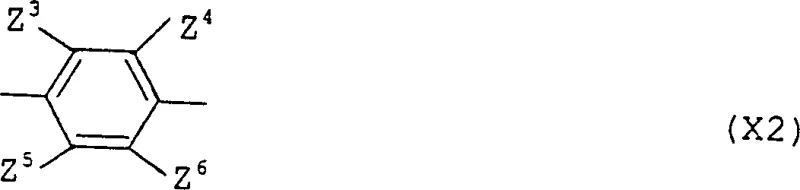 As illustrated by the structural diversity allowed in the patent, including aromatic systems with various halogen or alkyl substitutions, this flexibility supports the cost reduction in fine chemical manufacturing by allowing manufacturers to pivot quickly between different product grades without retooling entire production lines. The ability to preserve optical purity during this exchange further cements its value for stereoselective synthesis.
Mechanistic Insights into Metal Alkoxide-Catalyzed Transesterification
The core innovation of this technology lies in the unique reactivity of metal alkoxides towards dicarboxylic acid monoesters. In a typical transesterification, a strong base catalyst would immediately deprotonate the carboxylic acid, forming a carboxylate salt. In traditional thinking, this salt formation was believed to halt the reaction due to the negative charge repelling the nucleophilic attack on the ester carbonyl. However, the patent data reveals that metal alkoxides, particularly potassium tert-butoxide, possess a dual functionality: they act as a base to form the soluble metal salt of the monoester, enhancing solubility in organic media, while simultaneously maintaining sufficient nucleophilicity or facilitating an equilibrium that allows the alkoxy exchange to occur. The reaction likely proceeds through a tetrahedral intermediate where the metal cation coordinates with the carbonyl oxygen, activating the ester group despite the proximity of the anionic carboxylate. This delicate balance prevents the formation of di-esters because the carboxylate group is protected as a salt and is unreactive towards the alcohol, ensuring that only the pre-existing ester group undergoes transformation. This mechanistic nuance is critical for R&D teams aiming to replicate the process, as the stoichiometry of the metal alkoxide must be carefully controlled—typically slightly above 1 equivalent—to ensure complete salt formation without causing side reactions.
Furthermore, the preservation of stereochemistry in chiral substrates is a testament to the mildness of this catalytic system. When optically active monoesters, such as (R)-methylsuccinic acid derivatives, are subjected to these conditions, the alpha-proton acidity is managed effectively to prevent enolization and racemization. The patent examples show that by adding the metal alkoxide last or controlling the temperature profile (e.g., keeping initial mixing cool before heating to 83°C), the optical purity of the starting material is transferred quantitatively to the product. For instance, starting materials with 94% optical purity yielded products with identical 94% purity, demonstrating that the reliable pharmaceutical intermediate supplier can guarantee stereochemical integrity. This level of control is achieved by avoiding harsh acidic conditions or high-temperature thermal stress that typically scramble chiral centers. The use of solvents like THF or DMSO further aids in solvating the ionic intermediates, ensuring a homogeneous reaction environment that promotes consistent kinetics and minimizes localized hot spots that could degrade sensitive functional groups.
How to Synthesize Dicarboxylic Acid Monoesters Efficiently
Implementing this transesterification protocol requires precise attention to reagent addition order and thermal management to maximize yield and purity. The process generally begins with the preparation of the metal alkoxide solution or suspension in a suitable organic solvent or excess alcohol. The dicarboxylic acid monoester is then introduced, often resulting in an exothermic reaction as the metal salt forms; therefore, cooling may be required initially to maintain the temperature below 40°C. Once the salt formation is complete, the mixture is heated to reflux temperatures, typically between 80°C and 100°C depending on the solvent system. A crucial operational step is the continuous removal of the byproduct alcohol (e.g., methanol or ethanol) generated during the exchange, often achieved through distillation columns or azeotropic removal, which drives the equilibrium forward according to Le Chatelier's principle. Detailed standardized synthesis steps see the guide below.
- Prepare a reaction system by mixing a metal alkoxide (e.g., potassium tert-butoxide) with an organic solvent or excess starting alcohol.
- Add the dicarboxylic acid monoester or its alkali metal salt to the mixture, controlling temperature to manage exothermic salt formation.
- Heat the mixture to 50-150°C while continuously distilling off the byproduct alcohol to drive the equilibrium towards the desired monoester.
Commercial Advantages for Procurement and Supply Chain Teams
For procurement managers and supply chain heads, the adoption of this metal alkoxide-mediated transesterification offers profound strategic advantages beyond mere chemical elegance. The primary benefit is the drastic simplification of the purification workflow. Unlike direct esterification which produces hard-to-separate di-ester impurities, this method yields a product mixture where the primary impurity is unreacted starting material, which can often be recycled or easily separated due to polarity differences. This reduction in downstream processing complexity translates directly into lower operational expenditures and reduced solvent consumption, aligning with modern green chemistry mandates. Moreover, the elimination of high-pressure reactors required for anhydride ring-opening methods reduces the safety burden on manufacturing facilities, lowering insurance costs and regulatory compliance hurdles. The versatility of the method means that a single production line can be adapted to produce various monoesters simply by switching the alcohol feedstock, enhancing asset utilization rates and providing the agility needed to respond to fluctuating market demands for specific pharmaceutical intermediates.
- Cost Reduction in Manufacturing: The process eliminates the need for expensive transition metal catalysts like tin or titanium, which not only carry a high raw material cost but also require rigorous and costly removal steps to meet residual metal specifications in pharmaceutical products. By using inexpensive alkali metal alkoxides like potassium tert-butoxide, the direct material cost is significantly lowered. Additionally, the high selectivity of the reaction minimizes the loss of valuable chiral starting materials to byproduct formation, ensuring that the expensive input materials are converted efficiently into the desired output. This efficiency gain compounds over large production volumes, resulting in substantial cost savings that can be passed down the supply chain or retained as margin improvement.
- Enhanced Supply Chain Reliability: The reagents required for this process, such as common alcohols and alkali metal alkoxides, are commodity chemicals with robust global supply chains, reducing the risk of raw material shortages that often plague specialty catalyst markets. The mild reaction conditions also mean that the process is less susceptible to disruptions caused by utility failures; for example, it does not require the extreme pressures or temperatures that demand specialized, hard-to-replace infrastructure. This resilience ensures a more consistent supply of critical intermediates, allowing downstream drug manufacturers to plan their production schedules with greater confidence. The ability to source starting monoesters from multiple vendors and convert them to the specific ester needed adds a layer of redundancy that strengthens the overall supply network against geopolitical or logistical shocks.
- Scalability and Environmental Compliance: From an environmental perspective, the process generates fewer waste streams compared to hydrolysis methods which produce stoichiometric amounts of acid waste. The solvents used, such as toluene or THF, are well-understood and can be efficiently recovered and recycled within a closed-loop system, minimizing volatile organic compound (VOC) emissions. The scalability of the reaction is proven by the patent examples which range from gram-scale laboratory experiments to multi-hundred-gram pilot runs without loss of efficiency, indicating a smooth path to ton-scale commercial production. This ease of scale-up reduces the time-to-market for new drug candidates relying on these intermediates, a critical factor in the competitive pharmaceutical landscape where speed is often as valuable as cost.
Frequently Asked Questions (FAQ)
The following questions address common technical and commercial inquiries regarding the implementation of this transesterification technology. These answers are derived directly from the experimental data and claims found in the patent literature, providing a factual basis for decision-making. Understanding these nuances helps stakeholders evaluate the feasibility of integrating this process into their existing manufacturing portfolios. Whether concerning catalyst selection, solvent compatibility, or stereochemical outcomes, these insights clarify the operational parameters required for success.
Q: Why are traditional tin or titanium catalysts unsuitable for dicarboxylic acid monoesters?
A: Traditional transesterification catalysts containing tin or titanium are rapidly deactivated by the presence of free carboxylic acid groups. Since dicarboxylic acid monoesters inherently contain a free acid moiety, these conventional catalysts fail to promote the reaction efficiently, necessitating the use of base-tolerant metal alkoxides.
Q: Does this transesterification process affect the optical purity of chiral intermediates?
A: No, the process is designed to maintain stereochemical integrity. Patent data demonstrates that when optically active starting materials like (R)-methylsuccinic acid derivatives are used, the resulting monoesters retain their original optical purity (e.g., 94-99% ee) without significant racemization, provided the metal alkoxide is added carefully.
Q: What are the primary commercial advantages of this metal alkoxide method?
A: The method eliminates the need for high-pressure reactors required in anhydride ring-opening methods and avoids the complex separation of di-ester byproducts common in direct esterification. This leads to simplified downstream processing, reduced energy consumption, and higher overall selectivity for the target monoester.
Partnering with NINGBO INNO PHARMCHEM: Your Reliable Dicarboxylic Acid Monoesters Supplier
At NINGBO INNO PHARMCHEM, we recognize that the transition from patent theory to commercial reality requires more than just chemical knowledge; it demands engineering excellence and unwavering quality control. As a leading CDMO partner, we possess extensive experience scaling diverse pathways from 100 kgs to 100 MT/annual commercial production, ensuring that the promising yields seen in the laboratory are faithfully reproduced on an industrial scale. Our facilities are equipped with state-of-the-art reactors capable of handling the specific thermal and atmospheric controls required for metal alkoxide chemistry, and our stringent purity specifications guarantee that every batch meets the rigorous demands of global regulatory bodies. With rigorous QC labs employing advanced HPLC and GC analysis, we verify not only chemical purity but also optical purity, ensuring that chiral intermediates retain their biological efficacy throughout the manufacturing process.
We invite you to collaborate with us to leverage this advanced transesterification technology for your next project. Our technical team is ready to provide a Customized Cost-Saving Analysis tailored to your specific volume requirements and target specifications. We encourage potential partners to contact our technical procurement team to request specific COA data and route feasibility assessments, allowing you to validate the commercial viability of this process for your supply chain needs. By partnering with us, you secure a reliable source of high-quality intermediates that combines cutting-edge chemistry with the reliability of a seasoned manufacturing partner.