
Revolutionizing Entecavir Intermediate Production with Advanced Iron-Catalyzed Technology
The pharmaceutical industry continuously seeks robust and scalable pathways for the production of critical antiviral intermediates, particularly for high-demand medications like Entecavir. Patent CN112409141A introduces a groundbreaking methodology for synthesizing the key intermediate 4-methoxyphenyl diphenyl chloromethane, addressing long-standing challenges in yield, purity, and environmental safety. This technical insight report analyzes the novel two-step Friedel-Crafts alkylation process, which replaces hazardous traditional reagents with advanced iron-based catalytic systems. By leveraging a Schiff base binuclear iron complex and an iron heteropolyacid loaded SBA-15 mesoporous molecular sieve, this method achieves exceptional selectivity and operational simplicity. For global procurement and R&D teams, understanding this technological shift is vital for securing a reliable entecavir intermediate supplier capable of meeting stringent regulatory and volume requirements.
The Limitations of Conventional Methods vs. The Novel Approach
The Limitations of Conventional Methods
Historically, the synthesis of 4-methoxyphenyl diphenyl chloromethane has relied on methods fraught with significant operational and safety drawbacks that hinder efficient commercial scale-up of complex pharmaceutical intermediates. The first conventional approach involves the preparation of a Grignard reagent from bromoanisole, followed by reaction with benzophenone and subsequent chlorination. This route demands extremely rigorous moisture control, as the Grignard reagent is highly sensitive to water, leading to potential batch failures and safety hazards. Furthermore, the chlorination step typically employs reagents like acetyl chloride or thionyl chloride, which generate substantial amounts of corrosive hydrochloric acid gas, necessitating expensive scrubbing systems and creating severe environmental pollution concerns. Additionally, side reactions during chlorination often produce acetylated impurities that are structurally similar to the target molecule, making purification difficult and costly. Another traditional method utilizes 4-hydroxy triphenyl carbinol, requiring methylation with toxic dimethyl sulfate and subsequent chlorination. This pathway suffers from poor selectivity, often resulting in the simultaneous methylation of phenolic and alcoholic hydroxyl groups, creating impurities that are nearly impossible to separate. Moreover, the starting material for this route is expensive and not readily available, creating supply chain bottlenecks. A third method employs direct Friedel-Crafts reaction using aluminum chloride, which, while simpler, leads to a homogeneous reaction mixture that is difficult to separate and often results in ortho-substitution impurities and hydrolysis of the chlorine atom during workup.
The Novel Approach
In stark contrast to these legacy processes, the novel approach detailed in the patent data utilizes a sophisticated two-step catalytic sequence that fundamentally alters the reaction landscape for cost reduction in pharmaceutical intermediates manufacturing. The first step involves the reaction of carbon tetrachloride and benzene catalyzed by a specialized Schiff base binuclear iron complex to form diphenyl dichloromethane. This eliminates the need for hazardous Grignard reagents and allows for the use of abundant, low-cost feedstocks. The second step reacts this intermediate with anisole using an iron heteropolyacid loaded SBA-15 mesoporous molecular sieve. This heterogeneous catalytic system offers distinct advantages, including easy separation of the catalyst from the reaction mixture via simple filtration. The process operates under milder conditions compared to traditional Lewis acid catalysis, significantly reducing energy consumption and equipment corrosion risks. By avoiding the use of toxic methylating agents and corrosive chlorinating gases, the novel approach aligns with modern green chemistry principles, reducing the environmental footprint of the manufacturing process. The result is a streamlined workflow that minimizes downstream purification burdens, ensuring a higher quality crude product that requires less intensive refinement before reaching final specifications.
Mechanistic Insights into Iron-Catalyzed Friedel-Crafts Alkylation
The core innovation of this synthesis lies in the unique electronic and structural properties of the dual catalyst system, which provides R&D directors with unprecedented control over reaction selectivity and impurity profiles. The first catalyst, a Schiff base binuclear iron complex, facilitates the initial alkylation of benzene with carbon tetrachloride through a mechanism that likely involves the activation of the carbon-chlorine bond by the iron centers. The binuclear nature of the complex may allow for cooperative binding effects, enhancing the electrophilicity of the carbon tetrachloride and promoting the formation of the diphenyl dichloromethane intermediate with high efficiency. The ligand environment surrounding the iron atoms stabilizes the transition states, preventing over-reaction or decomposition of the sensitive intermediates. This precise control at the molecular level ensures that the first step proceeds with minimal formation of poly-alkylated byproducts, setting a clean foundation for the subsequent transformation. The use of iron, an earth-abundant metal, also mitigates concerns regarding heavy metal contamination in the final API, a critical consideration for regulatory compliance.
The second catalytic stage employs an iron heteropolyacid supported on an SBA-15 mesoporous molecular sieve, a design that leverages shape selectivity to drive the reaction towards the desired para-substituted product. The mesoporous structure of the SBA-15 support provides a high surface area and uniform pore channels that restrict the orientation of the reactant molecules, effectively blocking the formation of ortho-substituted isomers which are common impurities in non-catalyzed or homogeneous Friedel-Crafts reactions. The heteropolyacid component acts as a solid superacid, providing the necessary protonic acidity to activate the diphenyl dichloromethane for electrophilic attack on the anisole ring without the need for soluble, corrosive Lewis acids like aluminum chloride. This heterogeneous nature means the catalyst remains in the solid phase while the reactants and products are in the liquid phase, allowing for straightforward recovery and reuse. The patent data indicates that the catalyst can be recycled multiple times with negligible loss in activity, demonstrating remarkable stability. This mechanistic advantage translates directly to process robustness, ensuring consistent batch-to-batch quality and reducing the variability often seen in traditional homogeneous catalytic processes.
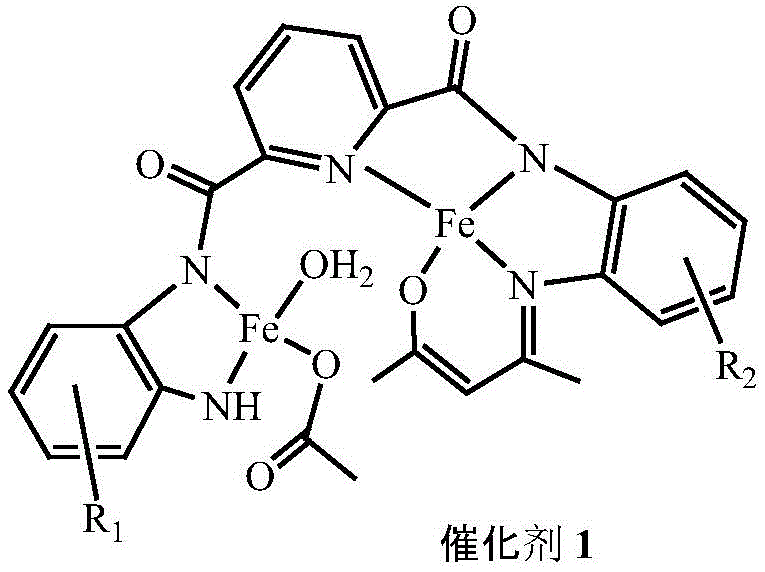
The structural integrity of the catalysts ensures that the reaction pathway remains highly specific, avoiding the generation of complex impurity spectra that complicate purification. By controlling the acidity and the steric environment of the active sites, the process minimizes side reactions such as the hydrolysis of the benzylic chlorine atom, a frequent issue in aqueous workups of traditional methods. This level of mechanistic precision is essential for producing high-purity entecavir intermediates that meet the rigorous standards required for antiviral drug synthesis. The combination of these two catalytic systems represents a significant advancement in synthetic methodology, offering a blueprint for sustainable and efficient chemical manufacturing.
How to Synthesize 4-Methoxyphenyl Diphenyl Chloromethane Efficiently
The implementation of this synthesis route requires careful attention to reaction parameters to maximize the benefits of the novel catalytic systems. The process begins with the preparation of diphenyl dichloromethane, where carbon tetrachloride and benzene are combined in the presence of the iron complex catalyst under a nitrogen atmosphere to prevent oxidation. Temperature control is critical, with the reaction typically maintained between 50°C and 75°C to balance reaction rate and selectivity. Following the isolation of the intermediate, the second step involves suspending the solid SBA-15 supported catalyst in a solvent such as dichloroethane before adding anisole and the dichloromethane intermediate. The heterogeneous nature of this step allows for the reaction to proceed at moderate temperatures, typically between 30°C and 60°C, further enhancing safety and energy efficiency. Detailed standardized synthesis steps see the guide below.
- Perform Friedel-Crafts alkylation on carbon tetrachloride and benzene using a Schiff base binuclear iron complex catalyst to obtain diphenyl dichloromethane.
- React the resulting diphenyl dichloromethane with anisole in the presence of an iron heteropolyacid loaded SBA-15 mesoporous molecular sieve catalyst.
- Isolate the final 4-methoxyphenyl diphenyl chloromethane product through filtration, extraction, and recrystallization to achieve pharmaceutical grade purity.
Commercial Advantages for Procurement and Supply Chain Teams
For procurement managers and supply chain heads, the adoption of this patented technology offers substantial strategic benefits that extend beyond mere technical feasibility. The shift to this novel catalytic process addresses critical pain points related to raw material availability, operational safety, and total cost of ownership. By utilizing commodity chemicals like carbon tetrachloride and benzene as starting materials, the process insulates the supply chain from the volatility associated with specialized or scarce reagents. The elimination of moisture-sensitive Grignard reagents and toxic methylating agents simplifies logistics and storage requirements, reducing the risk of supply disruptions due to hazardous material handling regulations. Furthermore, the robustness of the heterogeneous catalyst system enhances production reliability, as the catalyst can be recovered and reused, lowering the recurring cost of consumables. This stability ensures a consistent supply of high-quality intermediates, which is crucial for maintaining uninterrupted API production schedules.
- Cost Reduction in Manufacturing: The economic advantages of this process are driven by the elimination of expensive and hazardous reagents as well as the reduction in waste treatment costs. Traditional methods often require stoichiometric amounts of aluminum chloride or toxic dimethyl sulfate, which generate large volumes of acidic or hazardous waste that must be neutralized and disposed of at significant expense. In contrast, the catalytic nature of the new method means that only small amounts of iron-based catalysts are required, and their ability to be recycled multiple times drastically reduces the material cost per kilogram of product. Additionally, the high selectivity of the reaction minimizes the formation of byproducts, which reduces the load on downstream purification units such as distillation columns or chromatography systems. This efficiency translates to lower energy consumption and reduced solvent usage, contributing to a leaner and more cost-effective manufacturing operation without compromising on product quality.
- Enhanced Supply Chain Reliability: Securing a reliable entecavir intermediate supplier is paramount for pharmaceutical companies, and this process strengthens supply chain resilience by relying on widely available feedstocks. The raw materials, including benzene and anisole, are produced on a massive industrial scale globally, ensuring that price fluctuations are minimal and availability is high. The simplified operational requirements, such as the lack of need for ultra-dry conditions or specialized corrosion-resistant equipment for handling hydrogen chloride gas, mean that more manufacturing facilities are capable of producing this intermediate. This diversification of potential production sites reduces the risk of single-source dependency. Moreover, the stability of the catalyst allows for longer campaign runs without frequent changeovers, improving overall equipment effectiveness and ensuring that delivery timelines are met consistently even during periods of high demand.
- Scalability and Environmental Compliance: As regulatory pressures regarding environmental protection intensify, the ability to demonstrate a green manufacturing process is a significant competitive advantage. This synthesis route inherently produces fewer byproducts and avoids the generation of corrosive gases and toxic waste streams associated with older technologies. The heterogeneous catalyst system facilitates a cleaner workup procedure, reducing the volume of aqueous waste that requires treatment. This alignment with green chemistry principles not only lowers compliance costs but also enhances the corporate sustainability profile of the supply chain. The process is designed for commercial scale-up, with the potential to move seamlessly from pilot plant quantities to multi-ton annual production capacities. The simplicity of the unit operations involved, such as filtration and evaporation, makes the technology easily transferable to large-scale reactors, ensuring that supply can be ramped up quickly to meet market needs.
Frequently Asked Questions (FAQ)
The following questions address common technical and commercial inquiries regarding the synthesis of this critical antiviral intermediate. These answers are derived directly from the patent specifications and practical implications of the described technology. Understanding these details helps stakeholders evaluate the feasibility and benefits of integrating this supply source into their existing procurement strategies. The focus is on clarity regarding process capabilities, quality assurance, and logistical advantages.
Q: What are the primary advantages of this new synthesis method over traditional Grignard routes?
A: Unlike traditional Grignard routes which require strict moisture control and generate significant hazardous waste, this novel method utilizes heterogeneous catalysis that allows for easier separation, catalyst recycling, and operates under milder conditions with fewer byproducts.
Q: How does the catalyst system contribute to impurity control?
A: The use of iron heteropolyacid loaded SBA-15 mesoporous molecular sieves provides shape selectivity that favors para-substitution, effectively minimizing ortho-isomer impurities and preventing the hydrolysis issues common with traditional aluminum chloride catalysts.
Q: Is this process suitable for large-scale commercial manufacturing?
A: Yes, the process is designed for industrial scalability, utilizing cheap and easily obtained raw materials like carbon tetrachloride and benzene, and features a robust catalyst system that can be recycled multiple times without significant loss in activity.
Partnering with NINGBO INNO PHARMCHEM: Your Reliable 4-Methoxyphenyl Diphenyl Chloromethane Supplier
At NINGBO INNO PHARMCHEM, we recognize the critical role that high-quality intermediates play in the global fight against viral diseases. Our technical team has thoroughly analyzed the advancements presented in patent CN112409141A and is fully prepared to implement this state-of-the-art synthesis route. We possess extensive experience scaling diverse pathways from 100 kgs to 100 MT/annual commercial production, ensuring that your supply needs are met with precision and consistency. Our facility is equipped with rigorous QC labs and adheres to stringent purity specifications, guaranteeing that every batch of 4-methoxyphenyl diphenyl chloromethane meets the highest industry standards. We are committed to delivering not just a chemical product, but a reliable partnership that supports your long-term development goals.
We invite you to engage with our technical procurement team to discuss how this advanced manufacturing process can benefit your specific project requirements. By requesting a Customized Cost-Saving Analysis, you can gain deeper insights into the economic efficiencies achievable through this technology. We encourage you to contact us to obtain specific COA data and route feasibility assessments tailored to your production timeline. Let us collaborate to optimize your supply chain and accelerate the delivery of life-saving medications to patients worldwide.