
Advanced Synthesis of Silicon-Containing Electron Transport Materials for OLED Manufacturing
The rapid evolution of organic light-emitting diode (OLED) technology demands continuous innovation in electron transport materials to enhance device efficiency and longevity. Patent CN115322215A introduces a groundbreaking synthetic method for producing silicon-containing electron transport materials, specifically focusing on fused ring compounds containing a silicon-doped five-membered ring structure. This technological advancement addresses critical bottlenecks in the manufacturing of high-performance display & optoelectronic materials by offering a route that is both cost-effective and scalable. The core innovation lies in an intramolecular ring-closing reaction that utilizes a peroxide reagent and a transition metal-based initiator within an alcoholic solvent system. This approach stands in stark contrast to conventional methods that rely on hazardous and expensive reagents, thereby positioning this patent as a pivotal development for reliable electronic chemical suppliers seeking to optimize their production pipelines. By enabling the formation of condensed silole rings under mild conditions, this method significantly lowers the barrier for commercial adoption.
The Limitations of Conventional Methods vs. The Novel Approach
The Limitations of Conventional Methods
Traditional synthetic routes for constructing silicon-heterocyclic frameworks often suffer from severe operational constraints that hinder large-scale manufacturing. As illustrated in prior art, methods utilizing lithium reagents require extremely low temperatures and strictly anhydrous conditions, which drastically increase energy consumption and safety risks in a plant environment. 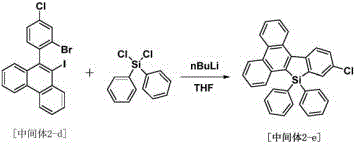 Furthermore, alternative approaches employing noble metal catalysts like rhodium introduce prohibitive raw material costs that make the final OLED material economically unviable for mass-market displays. These conventional pathways frequently result in lower yields due to side reactions associated with highly reactive organometallic intermediates, necessitating complex purification steps that reduce overall throughput. The reliance on non-polar solvents such as benzene in older radical cyclization methods also poses significant environmental and health compliance challenges, complicating waste management and regulatory approval for commercial facilities. Consequently, the industry has long sought a robust alternative that eliminates these inefficiencies without compromising the structural integrity of the electron transport layer.
The Novel Approach
The methodology disclosed in CN115322215A revolutionizes this landscape by employing a peroxide-mediated oxidative cyclization that operates efficiently in alcoholic solvents. This novel strategy replaces dangerous lithium reagents and expensive rhodium catalysts with accessible copper or iron-based Lewis acids, fundamentally altering the cost structure of display & optoelectronic materials manufacturing. The reaction proceeds smoothly at moderate temperatures, typically ranging from 50°C to 70°C, which significantly reduces thermal stress on equipment and minimizes energy requirements for heating and cooling systems. By utilizing tert-amyl alcohol or similar solvents, the process achieves unexpectedly high yields even on scales exceeding 50 grams, demonstrating clear feasibility for commercial scale-up of complex polymer additives and small molecule emitters. This shift not only simplifies the synthetic route but also enhances the safety profile of the production facility, making it an attractive option for procurement teams focused on risk mitigation and supply chain stability.
Mechanistic Insights into Peroxide-Mediated Intramolecular Cyclization
The chemical mechanism underpinning this synthesis involves a radical-mediated intramolecular ring closure that is uniquely facilitated by the choice of solvent and initiator system. Unlike traditional radical reactions that favor non-polar environments, this specific transformation thrives in alcoholic media, suggesting a synergistic interaction between the solvent molecules and the transition metal catalyst. The peroxide reagent, such as tert-butyl hydroperoxide, serves as the oxidant to generate radical species from the silicon-hydrogen bond in the intermediate structure. 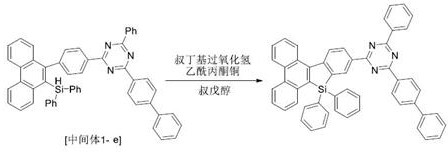 Subsequently, the transition metal oxide or Lewis acid, such as copper acetylacetonate, acts as an initiator to propagate the radical chain reaction, leading to the formation of the carbon-silicon bond and the closure of the five-membered silole ring. This mechanistic pathway avoids the formation of unstable carbanion intermediates typical of lithiation processes, thereby reducing the generation of impurities that are difficult to remove. The tolerance of this system to various functional groups on the aromatic rings allows for significant structural diversity, enabling R&D directors to fine-tune the electronic properties of the final material for specific OLED architectures without redesigning the entire synthetic route.
Impurity control is inherently superior in this method due to the mild reaction conditions and the high selectivity of the radical cyclization step. The use of alcoholic solvents helps to stabilize polar transition states and suppresses competing side reactions that often plague high-temperature processes in non-polar solvents. Analytical data from the patent examples indicates that the crude product obtained after reaction workup possesses high purity, which simplifies downstream recrystallization and chromatography steps. This reduction in purification complexity directly translates to higher recovery rates of the target compound, ensuring that the final electron transport material meets the stringent purity specifications required for high-efficiency OLED devices. For quality assurance teams, this means more consistent batch-to-batch performance and reduced variability in device lifetime and efficiency metrics.
How to Synthesize Fused Silole Ring Compounds Efficiently
Implementing this synthesis route requires careful attention to reagent stoichiometry and temperature control to maximize the benefits of the oxidative cyclization mechanism. The process begins with the preparation of the silicon-hydrogen containing intermediate, which is then subjected to the ring-closing conditions in a suitable alcoholic solvent. Operators must ensure that the peroxide oxidant is added in controlled amounts to maintain a steady radical flux without causing exothermic runaway. 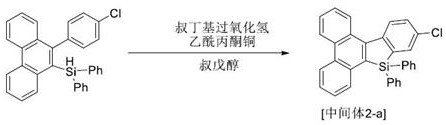 The detailed standardized synthesis steps see the guide below, which outlines the precise addition sequences and quenching procedures necessary to isolate the high-purity fused silole product. Adhering to these protocols ensures that the reaction achieves the reported high yields while maintaining safety standards appropriate for handling peroxide reagents in an industrial setting.
- Prepare intermediate Z containing a silicon-hydrogen group in an alcoholic solvent.
- Add peroxide reagent M and transition metal oxide or Lewis acid reagent Q.
- Maintain reaction temperature between 50°C to 70°C to achieve intramolecular ring closure.
Commercial Advantages for Procurement and Supply Chain Teams
From a commercial perspective, this patented synthesis method offers substantial strategic advantages for organizations managing the supply of advanced electronic chemicals. The elimination of noble metal catalysts like rhodium removes a major source of price volatility and supply risk, as the market for precious metals is often subject to geopolitical fluctuations and mining constraints. By switching to abundant base metals such as copper or iron, manufacturers can secure a more stable cost base for their raw materials, facilitating long-term pricing agreements with downstream OLED panel producers. Additionally, the milder reaction conditions reduce the wear and tear on reactor vessels and auxiliary equipment, extending asset life and lowering capital expenditure requirements for facility upgrades. These factors combine to create a more resilient supply chain capable of withstanding market shocks while maintaining competitive margins.
- Cost Reduction in Manufacturing: The replacement of expensive lithium reagents and rhodium catalysts with cost-effective copper salts and peroxides drives down the direct material cost of the synthesis significantly. This qualitative shift in reagent selection eliminates the need for cryogenic cooling systems required by lithiation steps, resulting in substantial energy savings throughout the production cycle. Furthermore, the higher yields achieved in alcoholic solvents mean less raw material is wasted per kilogram of finished product, optimizing the overall material efficiency of the plant. These cumulative savings allow suppliers to offer more competitive pricing structures without sacrificing profitability, enhancing their position in the global market for high-purity OLED material.
- Enhanced Supply Chain Reliability: Utilizing widely available commodity chemicals for the key transformation steps reduces dependency on specialized reagent suppliers who may have limited production capacity. The robustness of the reaction across different batches ensures consistent output, minimizing the risk of production delays caused by failed runs or off-spec material. This reliability is crucial for meeting the tight delivery schedules demanded by consumer electronics manufacturers who operate on just-in-time inventory models. By stabilizing the production process, companies can build stronger relationships with clients who prioritize supply continuity over marginal cost differences.
- Scalability and Environmental Compliance: The demonstrated success of the reaction on scales greater than 50 grams provides a clear pathway for scaling up to multi-kilogram and ton-level production without fundamental process redesign. The use of alcoholic solvents instead of toxic benzene or chlorinated hydrocarbons aligns with increasingly strict environmental regulations regarding volatile organic compound emissions and worker safety. This compliance advantage simplifies the permitting process for new manufacturing lines and reduces the liability associated with hazardous waste disposal. Consequently, this method supports sustainable growth strategies that balance economic performance with corporate social responsibility goals.
Frequently Asked Questions (FAQ)
The following questions address common technical and commercial inquiries regarding the implementation of this silicon-containing electron transport material synthesis. These answers are derived directly from the experimental data and claims presented in the patent documentation to ensure accuracy and relevance for industry stakeholders. Understanding these details helps decision-makers evaluate the feasibility of integrating this technology into their existing manufacturing portfolios. The insights provided here clarify the operational parameters and expected outcomes associated with this innovative chemical process.
Q: What are the advantages of the new synthesis method over traditional lithium reagent methods?
A: The new method avoids harsh conditions and expensive lithium reagents, using milder temperatures and cheaper catalysts for higher yields.
Q: Can this synthesis method be scaled for industrial production?
A: Yes, the patent demonstrates successful scale-up to over 50 grams with high yield, indicating strong potential for commercial manufacturing.
Q: What solvents are recommended for this oxidative cyclization reaction?
A: Alcoholic solvents such as tert-amyl alcohol are preferred, as they significantly improve reaction yield compared to non-polar solvents.
Partnering with NINGBO INNO PHARMCHEM: Your Reliable Silicon-Containing Electron Transport Material Supplier
NINGBO INNO PHARMCHEM stands at the forefront of translating advanced patent technologies like CN115322215A into commercial reality for the global electronics industry. Our team possesses extensive experience scaling diverse pathways from 100 kgs to 100 MT/annual commercial production, ensuring that laboratory innovations are successfully transferred to full-scale manufacturing environments. We maintain stringent purity specifications and operate rigorous QC labs to guarantee that every batch of silicon-containing electron transport material meets the exacting standards required for next-generation OLED displays. Our commitment to technical excellence allows us to navigate the complexities of fused silole ring synthesis, delivering products that enhance device performance and longevity.
We invite potential partners to engage with our technical procurement team to discuss how this synthesis method can be tailored to your specific application needs. By requesting a Customized Cost-Saving Analysis, you can gain a deeper understanding of the economic benefits this route offers compared to your current supply chain. We encourage you to contact us to obtain specific COA data and route feasibility assessments that demonstrate our capability to support your product development roadmap. Together, we can accelerate the deployment of high-efficiency electronic materials and drive the future of display technology forward.