
Scalable Biocatalytic Production of Chiral Cyclohexenecarboxylic Acid for Pharmaceutical Applications
The pharmaceutical industry's relentless pursuit of efficient synthetic routes for key chiral intermediates has found a significant breakthrough in the technology disclosed in patent CN112813131A. This patent details the discovery and application of a novel carboxylesterase, specifically designed for the kinetic resolution of cyclohexenecarboxylate to produce high-purity chiral cyclohexenecarboxylic acid. As a critical building block for the novel oral anticoagulant edoxaban, (S)-3-cyclohexene-1-carboxylic acid represents a high-value target for fine chemical manufacturers aiming to secure reliable pharmaceutical intermediate supplier status. The disclosed technology overcomes historical bottlenecks related to substrate loading and stereoselectivity, offering a robust platform for the cost reduction in API manufacturing. By leveraging recombinant DNA technology, this approach ensures a consistent supply of biocatalysts that operate under mild, environmentally benign conditions, aligning perfectly with modern green chemistry mandates.
The Limitations of Conventional Methods vs. The Novel Approach
The Limitations of Conventional Methods
Historically, the synthesis of optically active chiral acids like (S)-3-cyclohexene-1-carboxylic acid has been plagued by significant technical and economic hurdles. Traditional chemical methods, such as the Diels-Alder reaction, often suffer from harsh reaction conditions, complex operational steps, and disappointingly low yields, limiting their utility in large-scale commercial scale-up of complex pharmaceutical intermediates. Furthermore, chemical resolution methods typically require extensive purification protocols, including at least six recrystallizations in acetone, which not only drives up solvent consumption and waste disposal costs but also results in a theoretical maximum yield of merely 20-30%. Even when relying on biocatalysis, the industry has long depended on commercially available animal-derived enzymes like Pig Liver Esterase (PLE) or Horse Liver Esterase (HLE), which introduce risks of virus contamination, isoenzyme interference, and severe batch-to-batch variation, thereby compromising the reliability of the supply chain.
The Novel Approach
In stark contrast, the novel approach utilizing the recombinant carboxylesterase CarEst3 offers a paradigm shift in process efficiency and product quality. This engineered enzyme exhibits extraordinary substrate tolerance, maintaining high catalytic activity even at substrate concentrations as high as 5 mol/L, which drastically reduces the volume of aqueous media required and enhances reactor throughput. The method achieves an enantiomeric excess (ee) value exceeding 99% for the desired (S)-enantiomer, eliminating the need for multiple recrystallization steps and significantly simplifying the downstream purification process. By replacing animal-derived catalysts with a stable, recombinant microbial system, manufacturers can ensure reducing lead time for high-purity pharmaceutical intermediates while mitigating the regulatory and safety risks associated with biological sourcing, thus creating a more resilient and cost-effective production framework.
Mechanistic Insights into Carboxylesterase-Catalyzed Kinetic Resolution
The core of this technological advancement lies in the precise stereoselective hydrolysis mechanism facilitated by the CarEst3 enzyme. In this kinetic resolution process, the carboxylesterase selectively recognizes and hydrolyzes one enantiomer of the racemic cyclohexenecarboxylate substrate, leaving the other enantiomer untouched in the reaction mixture. The enzyme's active site is structurally optimized to accommodate the specific steric and electronic properties of the cyclohexene ring system, allowing for highly specific binding interactions that discriminate between the (R) and (S) configurations. This specificity is further enhanced in the mutant variant of the enzyme, where specific amino acid substitutions (V133L, D232S, L247F) have been introduced to improve catalytic efficiency by 3.2 times compared to the wild type, demonstrating the power of rational protein design in optimizing industrial biocatalysts.
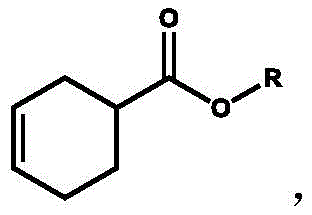
Controlling impurities and ensuring high optical purity is critical for pharmaceutical applications, and this enzymatic route excels in impurity profile management. Unlike chemical catalysts that may promote side reactions such as double bond isomerization or non-specific hydrolysis, the biocatalyst operates with high regioselectivity under mild physiological pH and temperature conditions (20-35°C). This gentle environment preserves the integrity of the sensitive cyclohexene double bond, preventing the formation of degradation byproducts that are difficult to remove. The result is a crude product with exceptionally high stereochemical purity (>99% ee), which significantly reduces the burden on downstream chromatography or crystallization units, thereby streamlining the overall manufacturing process and ensuring the final active pharmaceutical ingredient meets stringent global regulatory standards for chirality.
How to Synthesize (S)-3-cyclohexene-1-carboxylic Acid Efficiently
The synthesis protocol outlined in the patent provides a clear roadmap for implementing this high-efficiency biocatalytic process in a pilot or production setting. The procedure begins with the preparation of lyophilized recombinant E. coli cells expressing the CarEst3 enzyme, which serves as a stable and easy-to-handle biocatalyst source. The reaction is conducted in a phosphate buffer system, which maintains the optimal pH environment for enzyme stability and activity throughout the conversion. Operators can adjust the enzyme loading and reaction time based on the desired conversion rate, with the system demonstrating remarkable robustness even at very high substrate concentrations, making it ideal for concentrated processing to minimize waste.
- Preparation of recombinant E. coli expressing CarEst3 enzyme and lyophilization of cells.
- Suspension of lyophilized cells in phosphate buffer with racemic substrate at high concentration (up to 5 mol/L).
- Incubation at 20-35°C followed by pH adjustment and solvent extraction to isolate the chiral ester.
Commercial Advantages for Procurement and Supply Chain Teams
For procurement managers and supply chain directors, the adoption of this enzymatic technology translates into tangible strategic advantages regarding cost structure and supply security. The shift from animal-derived enzymes to a recombinant microbial system eliminates the volatility associated with biological sourcing, ensuring a consistent and scalable supply of the catalyst that is not subject to seasonal or biological variations. Furthermore, the ability to run reactions at extremely high substrate concentrations (up to 5 mol/L) means that manufacturers can process significantly more material per batch without increasing reactor size or utility consumption, leading to substantial capital efficiency and reduced operational expenditures related to water usage and wastewater treatment.
- Cost Reduction in Manufacturing: The elimination of expensive animal-derived enzymes and the reduction in solvent usage due to high substrate loading directly contribute to a lower cost of goods sold. By avoiding the need for multiple recrystallization steps typically required in chemical resolution, the process saves significant amounts of organic solvents like acetone and reduces energy consumption associated with heating and cooling cycles. Additionally, the high selectivity of the enzyme minimizes the formation of byproducts, which reduces the complexity and cost of downstream purification, ultimately delivering a more economically viable route for the production of high-value chiral intermediates.
- Enhanced Supply Chain Reliability: Relying on recombinant fermentation for enzyme production decouples the supply chain from the uncertainties of animal tissue sourcing, providing a stable and predictable availability of the biocatalyst. The robustness of the CarEst3 enzyme under various reaction conditions allows for flexible manufacturing scheduling and reduces the risk of batch failures due to catalyst instability. This reliability is crucial for maintaining continuous production lines for critical pharmaceutical intermediates, ensuring that downstream drug manufacturers receive their materials on time without interruption, thereby strengthening the overall resilience of the pharmaceutical supply network.
- Scalability and Environmental Compliance: The process operates under mild conditions and utilizes an aqueous buffer system, which significantly reduces the environmental footprint compared to traditional organic synthesis methods. The high atom economy and reduced solvent waste align with increasingly strict environmental regulations, minimizing the costs associated with hazardous waste disposal and emissions control. Moreover, the simplicity of the operation, involving straightforward mixing and extraction steps, facilitates easy scale-up from laboratory to industrial production scales, allowing manufacturers to rapidly respond to market demand increases without requiring complex process re-engineering or specialized equipment.
Frequently Asked Questions (FAQ)
The following questions address common technical and commercial inquiries regarding the implementation of this carboxylesterase technology. These insights are derived directly from the experimental data and comparative analysis presented in the patent documentation, providing clarity on performance metrics and operational parameters. Understanding these details is essential for technical teams evaluating the feasibility of integrating this biocatalytic route into existing manufacturing workflows.
Q: What is the maximum substrate concentration tolerated by the CarEst3 enzyme?
A: The recombinant CarEst3 enzyme demonstrates exceptional substrate tolerance, capable of operating effectively at concentrations up to 5 mol/L (approximately 700 g/L), which is significantly higher than many commercial alternatives.
Q: How does the optical purity of the product compare to chemical resolution methods?
A: The enzymatic method achieves an enantiomeric excess (ee) value of greater than 99% for the (S)-enantiomer, surpassing the typical yields and purity levels obtained through multi-step chemical recrystallization processes.
Q: Is the CarEst3 enzyme suitable for large-scale industrial production?
A: Yes, the enzyme is expressed in E. coli using standard fermentation techniques, ensuring a stable and scalable supply chain free from the batch-to-batch variability often seen with animal-derived enzymes.
Partnering with NINGBO INNO PHARMCHEM: Your Reliable (S)-3-cyclohexene-1-carboxylic Acid Supplier
At NINGBO INNO PHARMCHEM, we recognize the transformative potential of the CarEst3 enzymatic resolution technology in securing the supply of critical anticoagulant intermediates. As a premier CDMO partner, we possess extensive experience scaling diverse pathways from 100 kgs to 100 MT/annual commercial production, ensuring that the transition from laboratory innovation to industrial reality is seamless and efficient. Our state-of-the-art facilities are equipped with rigorous QC labs and advanced fermentation capabilities, allowing us to meet stringent purity specifications and deliver high-quality chiral intermediates that comply with global regulatory standards, giving our partners confidence in every batch we produce.
We invite forward-thinking pharmaceutical companies to collaborate with us to leverage this cutting-edge technology for their supply chains. By engaging with our technical procurement team, you can request a Customized Cost-Saving Analysis tailored to your specific production volumes and quality requirements. We encourage you to reach out today to obtain specific COA data and route feasibility assessments, allowing us to demonstrate how our expertise in enzymatic catalysis can drive down your costs and enhance the reliability of your critical raw material supply.