
Advanced Catalytic Hydrodechlorination for High-Purity p-Fluoroaniline Production
Introduction to Advanced p-Fluoroaniline Manufacturing
The global demand for high-purity fluorinated aromatic amines continues to surge, driven by their critical role as building blocks in the synthesis of advanced pharmaceuticals and agrochemicals. A pivotal development in this sector is documented in Chinese Patent CN116023271B, which outlines a robust and economically superior method for synthesizing p-fluoroaniline. This technology addresses long-standing inefficiencies in traditional production routes by leveraging a novel activated carbon supported nickel-silver catalyst system. Unlike conventional methods that rely on precious metals, this approach utilizes a base-metal catalyst promoted with silver to achieve exceptional conversion rates and selectivity. The process transforms 3,5-dichloro-4-fluoronitrobenzene, often available as a byproduct, into the valuable target molecule through a controlled hydrodechlorination pathway. By optimizing reaction parameters such as temperature, pressure, and alkalinity, the patent demonstrates a pathway that not only maximizes yield but also significantly enhances the economic viability of large-scale manufacturing. This innovation represents a paradigm shift for reliable pharmaceutical intermediates supplier networks seeking to optimize their supply chains.
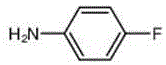
The structural integrity and purity of the final product are paramount for downstream applications, particularly in the synthesis of herbicides and plant growth regulators. The molecular architecture of p-fluoroaniline, characterized by the para-substitution of an amino group and a fluorine atom on the benzene ring, requires precise synthetic control to avoid isomeric impurities. The methodology described in the patent ensures that the fluorine atom remains intact while the chlorine atoms are selectively removed, a challenging transformation that demands a highly specialized catalytic environment. This level of precision underscores the importance of adopting next-generation catalytic technologies to meet the rigorous quality standards expected by global chemical purchasers.
The Limitations of Conventional Methods vs. The Novel Approach
The Limitations of Conventional Methods
Historically, the industrial preparation of p-fluoroaniline has been plagued by significant economic and technical hurdles, primarily centered around the choice of catalyst and the resulting yield profiles. Traditional processes, such as those disclosed in earlier patents like CN101624348A, predominantly utilized palladium on carbon (Pd/C) as the hydrogenation catalyst. While Pd/C is known for its high activity, its application in this specific context is severely limited by exorbitant costs, with market prices for palladium carbon reaching approximately 50,000 yuan per kilogram. Furthermore, these legacy methods often suffer from suboptimal yields, typically ranging between 48% and 70%, which translates to substantial material waste and increased production costs per unit. The reliance on precious metals also introduces supply chain vulnerabilities, as the availability and price volatility of palladium can disrupt manufacturing schedules. Additionally, the accumulation of acidic byproducts in these older systems often leads to catalyst deactivation, necessitating frequent catalyst replacement and generating hazardous waste streams that complicate environmental compliance.
The Novel Approach
In stark contrast, the novel approach detailed in CN116023271B introduces a sophisticated nickel-silver bimetallic catalyst supported on activated carbon, which fundamentally alters the economic equation of p-fluoroaniline production. This system replaces the expensive palladium with a cost-effective nickel base, promoted by silver to enhance electronic properties and catalytic activity. The result is a dramatic improvement in process efficiency, with reported yields soaring to over 93% under optimized conditions. The new method operates effectively at temperatures between 130°C and 160°C and hydrogen pressures of 3.0 to 5.0 MPa, conditions that are readily achievable in standard industrial reactors. Crucially, the inclusion of sodium hydroxide in the reaction mixture serves a dual purpose: it drives the equilibrium forward and neutralizes the hydrochloric acid generated during dechlorination, thereby protecting the catalyst from acid poisoning. This strategic modification allows the catalyst to be recovered and reused for multiple cycles, as demonstrated by stability tests showing consistent performance over five consecutive runs, offering a sustainable and scalable solution for cost reduction in pharmaceutical intermediates manufacturing.
Mechanistic Insights into Ni-Ag Catalyzed Hydrodechlorination
The core of this technological breakthrough lies in the synergistic interaction between nickel and silver within the heterogeneous catalyst matrix. The nickel species serve as the primary active sites for hydrogen dissociation, splitting molecular hydrogen into reactive atomic hydrogen species on the catalyst surface. The silver promoter plays a critical role in modifying the electronic density of the nickel, facilitating the adsorption and activation of the nitro and chloro groups on the aromatic ring. This bimetallic cooperation lowers the activation energy required for the hydrodechlorination steps, allowing the reaction to proceed rapidly even at moderate temperatures. The mechanism involves a stepwise reduction where the nitro group is first reduced to an amino group, followed by the sequential removal of the two chlorine atoms at the 3 and 5 positions. The presence of the fluorine atom at the 4-position is preserved due to the higher bond dissociation energy of the C-F bond compared to the C-Cl bond, ensuring high regioselectivity. This precise control over bond cleavage is essential for producing high-purity p-fluoroaniline without defluorinated byproducts that could compromise downstream synthesis.
Furthermore, the reaction environment is meticulously engineered to manage the byproducts of the dechlorination process. As the chlorine atoms are cleaved from the benzene ring, they combine with hydrogen to form hydrogen chloride (HCl). In the absence of a base, this HCl would accumulate, lowering the pH of the reaction medium and potentially protonating the amino group of the product or leaching the active metal species from the support. The addition of sodium hydroxide in a molar ratio of 1.9 to 2.1 relative to the substrate ensures immediate neutralization of the generated acid, forming sodium chloride and water. The choice of a methanol-water solvent system is equally critical; the water component ensures that the resulting sodium chloride salt remains in solution rather than precipitating onto the catalyst surface. This prevents pore blockage and maintains the accessibility of active sites throughout the reaction duration, a key factor in achieving the high conversion rates and catalyst longevity observed in the experimental data.
How to Synthesize p-Fluoroaniline Efficiently
Implementing this synthesis route requires careful attention to the preparation of the catalyst and the control of reaction parameters to ensure reproducibility and safety. The process begins with the precise formulation of the activated carbon supported nickel-silver catalyst, where the metal loading is maintained at 20wt% with a nickel-to-silver molar ratio of 10:10. Prior to use, the catalyst undergoes a reduction activation step at 400°C in a hydrogen atmosphere to generate the active metallic species. The reaction is then conducted in a sealed autoclave where the substrate, catalyst, base, and solvent are combined under an inert atmosphere before hydrogen pressurization. Maintaining the hydrogen pressure between 3.0 and 5.0 MPa is vital to drive the hydrogenation kinetics, while the temperature is regulated between 130°C and 160°C to balance reaction rate and selectivity. Upon completion, indicated by a stabilization of pressure, the mixture is cooled, and the solid catalyst is filtered off for regeneration and reuse. The filtrate is then subjected to a multi-stage distillation process to recover the solvent and isolate the pure product fraction boiling at 85-86°C under reduced pressure. For the complete standardized operating procedure and safety guidelines, please refer to the technical documentation below.
- Load 3,5-dichloro-4-fluoronitrobenzene, activated carbon supported nickel-silver catalyst (20wt% metal loading), sodium hydroxide, and a methanol-water solvent mixture into a reaction vessel.
- Seal the reactor, purge with nitrogen, pressurize with hydrogen to 3.0-5.0 MPa, and heat to 130-160°C while maintaining pressure until consumption ceases.
- Filter the recovered catalyst, distill off the solvent, remove water, and perform reduced pressure distillation at 20mmHg to collect the fraction at 85-86°C.
Commercial Advantages for Procurement and Supply Chain Teams
For procurement managers and supply chain directors, the adoption of this nickel-silver catalytic technology offers profound strategic advantages that extend far beyond simple yield improvements. The most immediate impact is seen in the drastic reduction of catalyst expenditure. By shifting from a palladium-based system to a nickel-silver system, manufacturers eliminate the dependency on volatile precious metal markets, leading to substantial cost savings in raw material procurement. The ability to recycle the catalyst multiple times without significant degradation in performance further amortizes the initial catalyst cost over a much larger production volume, effectively lowering the cost of goods sold (COGS). This economic efficiency makes the process highly attractive for commercial scale-up of complex pharmaceutical intermediates, where margin compression is a constant challenge. Moreover, the use of readily available base metals enhances supply chain resilience, reducing the risk of production stoppages due to catalyst shortages.
- Cost Reduction in Manufacturing: The transition to a non-precious metal catalyst system fundamentally reshapes the cost structure of p-fluoroaniline production. By eliminating the need for expensive palladium carbon, which historically accounted for a significant portion of variable costs, the process achieves a leaner operational model. The high yield of over 93% minimizes the waste of the starting material, 3,5-dichloro-4-fluoronitrobenzene, ensuring that nearly every kilogram of input is converted into saleable product. Additionally, the simplified workup procedure, which avoids complex purification steps often required to remove trace heavy metals from palladium-catalyzed reactions, reduces utility consumption and labor hours. These cumulative efficiencies translate into a more competitive pricing structure for the final product, allowing suppliers to offer better value to their customers while maintaining healthy profit margins.
- Enhanced Supply Chain Reliability: Supply chain continuity is bolstered by the robustness and reusability of the Ni-Ag catalyst. Experimental data indicates that the catalyst retains high activity over at least five consecutive cycles, reducing the frequency of catalyst replenishment orders and the associated logistical lead times. The use of common solvents like methanol and water, along with standard inorganic bases like sodium hydroxide, ensures that all consumables are easily sourced from multiple vendors, mitigating the risk of single-source supply disruptions. This reliability is crucial for meeting the just-in-time delivery requirements of global pharmaceutical clients. Furthermore, the process operates within standard pressure and temperature ranges compatible with existing infrastructure, facilitating rapid technology transfer and capacity expansion without the need for specialized high-pressure equipment upgrades.
- Scalability and Environmental Compliance: From an environmental and regulatory perspective, this method offers a cleaner production profile. The effective neutralization of HCl prevents the release of corrosive gases and simplifies wastewater treatment, as the resulting salt solution is easier to handle than acidic waste streams. The high selectivity of the reaction minimizes the formation of toxic byproducts, reducing the burden on waste management systems. The scalability of the process is evidenced by its successful demonstration in batch reactors, with parameters that are directly translatable to larger industrial vessels. This ease of scale-up supports the reducing lead time for high-purity pharmaceutical intermediates by enabling manufacturers to quickly ramp up production volumes in response to market demand, ensuring a steady flow of materials to downstream users.
Frequently Asked Questions (FAQ)
To assist technical teams in evaluating the feasibility of this synthesis route, we have compiled answers to common inquiries regarding the catalyst performance, reaction conditions, and product quality. These insights are derived directly from the experimental data and technical specifications outlined in the patent literature, providing a transparent view of the process capabilities. Understanding these details is essential for R&D directors planning pilot trials and for quality assurance teams establishing acceptance criteria. The following responses address the specific advantages of the Ni-Ag system and the operational nuances that ensure consistent product quality.
Q: Why is the Nickel-Silver catalyst preferred over Palladium Carbon for this synthesis?
A: The Nickel-Silver catalyst offers a drastic reduction in raw material costs compared to expensive Palladium Carbon, while maintaining high activity and allowing for multiple recycling cycles without significant loss in yield.
Q: What is the role of Sodium Hydroxide in the reaction mechanism?
A: Sodium Hydroxide acts as a neutralizing agent for the hydrogen chloride generated during the hydrodechlorination process, preventing acid-induced catalyst poisoning and equipment corrosion.
Q: How does the solvent system impact catalyst longevity?
A: Using a methanol-water mixture ensures that the inorganic salts (NaCl) formed during the reaction remain dissolved in the liquid phase, preventing them from precipitating and blocking the active pores of the heterogeneous catalyst.
Partnering with NINGBO INNO PHARMCHEM: Your Reliable p-Fluoroaniline Supplier
At NINGBO INNO PHARMCHEM, we recognize the critical importance of adopting innovative synthetic routes to maintain competitiveness in the global fine chemicals market. Our technical team has thoroughly analyzed the potential of the Ni-Ag catalytic hydrogenation method described in CN116023271B and is prepared to implement this technology for our valued partners. We possess extensive experience scaling diverse pathways from 100 kgs to 100 MT/annual commercial production, ensuring that the transition from laboratory success to industrial reality is seamless. Our facilities are equipped with stringent purity specifications and rigorous QC labs capable of verifying the absence of heavy metal residues and isomeric impurities, guaranteeing that every batch of p-fluoroaniline meets the highest international standards. We are committed to leveraging this advanced chemistry to deliver superior value to our clients.
We invite procurement leaders and R&D directors to engage with us to explore how this optimized synthesis route can benefit your specific supply chain. By partnering with us, you gain access to a Customized Cost-Saving Analysis tailored to your volume requirements, demonstrating the tangible economic benefits of switching to this catalytic system. We encourage you to contact our technical procurement team to request specific COA data and route feasibility assessments. Let us collaborate to secure a stable, cost-effective, and high-quality supply of p-fluoroaniline for your critical manufacturing needs.