
Revolutionizing Aminoalcohol Production: Advanced Biocatalytic Routes for Pharmaceutical Intermediates
The pharmaceutical industry constantly seeks more efficient pathways for synthesizing complex chiral intermediates, particularly for antiviral agents like Carbovir. Patent CN1224697C introduces a groundbreaking biocatalytic approach for the preparation of aminoalcohols and their derivatives, specifically targeting the synthesis of (1R,4S)-1-amino-4-(hydroxymethyl)-2-cyclopentene. This compound serves as a critical building block in the manufacture of carbocyclic nucleosides. Unlike traditional chemical routes that rely on cumbersome multi-step sequences, this invention leverages the unique metabolic capabilities of specific microorganisms, such as Rhodococcus erythropolis and Alcaligenes species, to perform highly selective hydrolysis. The technology represents a paradigm shift from stoichiometric chemical reagents to renewable biological catalysts, addressing key pain points in modern pharmaceutical intermediate manufacturing regarding purity, safety, and environmental compliance.

The structural versatility of this method allows for the production of various derivatives where the acyl group can be modified, providing flexibility for downstream chemical modifications. By utilizing microorganisms that can utilize cyclopentene derivatives as a sole nitrogen or carbon source, the process ensures a high degree of specificity that is difficult to achieve with conventional chemistry. This biological precision is essential for meeting the stringent regulatory requirements of global health authorities, making it a valuable asset for any reliable pharmaceutical intermediate supplier aiming to secure long-term contracts with major drug developers.
The Limitations of Conventional Methods vs. The Novel Approach
The Limitations of Conventional Methods
Historically, the synthesis of (1R,4S)-1-amino-4-(hydroxymethyl)-2-cyclopentene has been plagued by inefficiency and safety hazards. Prior art methods, such as those described by Campbell et al. and Park & Rapoport, typically start from D-glucono-δ-lactone or D-serine. These routes are notoriously lengthy, often requiring approximately 15 distinct synthetic steps to reach the protected intermediate, followed by deprotection. Such complexity inherently leads to low overall yields and massive accumulation of chemical waste. Furthermore, alternative routes involving the reduction of carboxylic acids using lithium aluminum hydride (LiAlH4) present severe safety risks due to the pyrophoric nature of the reagent and the potential for over-reduction of the sensitive cyclopentene double bond. These factors contribute to exorbitant production costs and significant supply chain vulnerabilities, making cost reduction in API manufacturing a critical challenge for procurement teams relying on these legacy technologies.
The Novel Approach
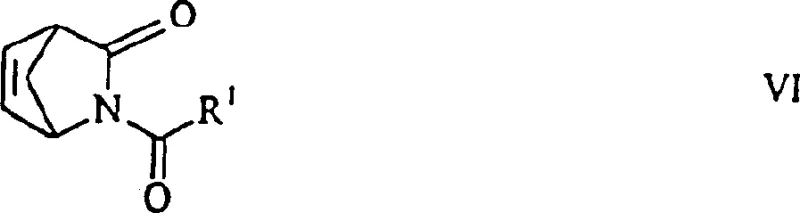
In stark contrast, the novel approach detailed in the patent utilizes a streamlined chemo-enzymatic strategy. The process begins with the acylation of a readily available precursor, (±)-2-azabicyclo[2.2.1]hept-5-en-3-one, followed by a controlled reduction to form N-acylated cyclopentene derivatives. The true innovation lies in the subsequent biotransformation step, where specific microbial enzymes hydrolyze the amide bond with exceptional stereoselectivity. This method bypasses the need for extensive protection group chemistry and hazardous reducing agents. By employing whole-cell biocatalysts or isolated enzymes like N-acetylamino-alcohol hydrolase, the reaction proceeds under mild aqueous conditions, typically at temperatures between 20°C and 40°C. This not only enhances operational safety but also simplifies the workup procedure, allowing for easier isolation of the high-purity product. For supply chain leaders, this translates to a more robust and scalable production model capable of meeting the demands of commercial scale-up of complex pharmaceutical intermediates.
Mechanistic Insights into Enzymatic Hydrolysis and Kinetic Resolution
The core of this technology rests on the specific activity of N-acetylamino-alcohol hydrolases found in strains like Rhodococcus erythropolis CB 101 (DSM 10686). These enzymes exhibit a remarkable ability to discriminate between enantiomers of the substrate. When presented with a racemic mixture of N-acylated cyclopentene derivatives, the enzyme selectively hydrolyzes the (1R,4S) isomer, leaving the unwanted (1S,4R) isomer intact or converting it at a negligible rate. This kinetic resolution mechanism is driven by the precise fit of the substrate into the enzyme's active site, where steric and electronic interactions favor the transition state of the desired enantiomer. The patent data indicates that this biological catalyst operates optimally at a pH of roughly 7.0 and temperatures around 25°C to 30°C, conditions that preserve the integrity of the sensitive alkene functionality within the cyclopentene ring. Understanding this mechanistic nuance is vital for R&D directors aiming to optimize reaction parameters for maximum enantiomeric excess (ee), which has been reported to reach values between 80% and 93% in experimental settings.
Furthermore, the impurity profile generated by this biocatalytic route is significantly cleaner compared to chemical alternatives. Traditional chemical hydrolysis often requires harsh acidic or basic conditions that can lead to side reactions such as epimerization or dehydration. In contrast, the enzymatic process occurs in buffered aqueous media, minimizing the formation of degradation byproducts. The enzyme's specificity also means that other functional groups on the molecule, if present, are likely to remain untouched, reducing the burden on downstream purification processes like chromatography. This inherent selectivity ensures that the final high-purity pharmaceutical intermediate meets strict specifications with minimal additional processing, thereby enhancing the overall efficiency of the manufacturing workflow and reducing the risk of batch failures due to impurity spikes.
How to Synthesize (1R,4S)-1-Amino-4-(hydroxymethyl)-2-cyclopentene Efficiently
Implementing this biocatalytic route requires a systematic approach to strain cultivation and biotransformation optimization. The process generally involves growing the selected microorganism in a defined medium supplemented with the specific cyclopentene derivative to induce enzyme expression. Once sufficient biomass is accumulated, the cells are harvested and utilized as resting cells or lysed to extract the crude enzyme. The substrate is then introduced to the biocatalyst under controlled pH and temperature conditions to drive the hydrolysis reaction. Monitoring the reaction progress via HPLC or TLC is essential to determine the endpoint where conversion and enantiomeric purity are maximized. The detailed standardized synthesis steps see the guide below.
- Cultivate specific microorganisms such as Rhodococcus erythropolis or Alcaligenes species in a nutrient medium containing cyclopentene derivatives as the sole nitrogen or carbon source to induce enzyme production.
- Perform biotransformation using resting cells or enzyme extracts to selectively hydrolyze N-acylated cyclopentene derivatives, yielding the desired chiral aminoalcohol with high enantiomeric excess.
- Isolate the final product through standard downstream processing techniques such as extraction and crystallization, ensuring high purity suitable for pharmaceutical applications.
Commercial Advantages for Procurement and Supply Chain Teams
Adopting this biocatalytic technology offers profound strategic benefits for procurement and supply chain management beyond mere technical feasibility. The shift from a 15-step chemical synthesis to a concise chemo-enzymatic route fundamentally alters the cost structure of production. By eliminating the need for expensive chiral pool starting materials like D-serine and hazardous reagents like lithium aluminum hydride, the raw material costs are drastically reduced. Additionally, the aqueous nature of the biotransformation step removes the requirement for large volumes of organic solvents, leading to significant savings in solvent procurement and waste disposal fees. These qualitative improvements directly contribute to a more competitive pricing model for the final intermediate, allowing manufacturers to offer better value to their clients while maintaining healthy margins.
- Cost Reduction in Manufacturing: The elimination of transition metal catalysts and stoichiometric reducing agents removes the necessity for expensive metal scavenging steps and specialized containment equipment. This simplification of the process infrastructure lowers capital expenditure and operational overhead. Furthermore, the high selectivity of the enzyme reduces the loss of valuable material to side products, improving the effective yield per batch. These factors combine to create a leaner manufacturing process that is less susceptible to fluctuations in the prices of specialty chemicals, ensuring stable costing for long-term supply agreements.
- Enhanced Supply Chain Reliability: Reliance on complex chemical syntheses often introduces multiple points of failure, from reagent availability to equipment maintenance. The biological route utilizes robust microbial strains that can be stored and propagated reliably, ensuring a consistent source of catalytic activity. The use of common fermentation equipment allows for flexible production scheduling and easier scale-up from pilot to commercial volumes. This resilience is crucial for reducing lead time for high-purity pharmaceutical intermediates, as it minimizes the risk of production delays caused by supply bottlenecks of niche chemical reagents or the need for extensive process re-validation.
- Scalability and Environmental Compliance: As regulatory pressure on pharmaceutical manufacturing intensifies, the environmental footprint of production processes becomes a key differentiator. This biocatalytic method operates under mild conditions with water as the primary solvent, significantly reducing volatile organic compound (VOC) emissions and hazardous waste generation. The biodegradability of the biological catalyst and the absence of heavy metal residues simplify the regulatory approval process for new drug filings. This alignment with green chemistry principles not only future-proofs the supply chain against tightening environmental regulations but also enhances the corporate sustainability profile of the manufacturing partner.
Frequently Asked Questions (FAQ)
The following questions address common technical and commercial inquiries regarding the implementation of this patented biocatalytic process. They are derived from the specific experimental data and claims found within the patent documentation, providing clarity on the operational parameters and expected outcomes. Understanding these details is essential for technical teams evaluating the feasibility of integrating this route into their existing manufacturing portfolios.
Q: What are the advantages of the microbial method over traditional chemical synthesis for aminoalcohols?
A: Traditional methods often require up to 15 synthetic steps involving expensive precursors like D-glucono-delta-lactone and hazardous reagents like lithium aluminum hydride. The microbial method described in CN1224697C significantly reduces step count, eliminates heavy metal contaminants, and offers superior stereo-selectivity without complex protection-deprotection sequences.
Q: Which microorganisms are suitable for this biotransformation process?
A: The patent identifies several highly effective strains including Rhodococcus erythropolis (DSM 10686), Alcaligenes/Bordetella (DSM 11172), and Gordonia species (DSM 10687). These strains possess specific N-acetylamino-alcohol hydrolase activity capable of kinetic resolution or specific hydrolysis of racemic substrates.
Q: How does this process impact the cost structure of antiviral drug manufacturing?
A: By replacing multi-step chemical synthesis with a direct enzymatic hydrolysis, the process drastically lowers raw material costs and waste disposal expenses. The use of aqueous media and mild reaction conditions further reduces energy consumption and safety infrastructure requirements, leading to substantial overall cost optimization.
Partnering with NINGBO INNO PHARMCHEM: Your Reliable Aminoalcohol Supplier
The technological potential of the biocatalytic synthesis of aminoalcohols described in CN1224697C is immense, offering a clear pathway to higher quality and lower cost intermediates for the global pharmaceutical market. NINGBO INNO PHARMCHEM stands ready to leverage this advanced chemistry, bringing extensive experience scaling diverse pathways from 100 kgs to 100 MT/annual commercial production. Our facility is equipped with state-of-the-art fermentation and downstream processing capabilities, ensuring that we can meet the rigorous demands of modern drug development. We maintain stringent purity specifications and operate rigorous QC labs to guarantee that every batch of intermediate delivered meets the highest international standards, providing our partners with absolute confidence in their supply chain.
We invite forward-thinking pharmaceutical companies to collaborate with us to unlock the full value of this innovative process. By partnering with NINGBO INNO PHARMCHEM, you gain access to a Customized Cost-Saving Analysis tailored to your specific volume requirements and quality needs. We encourage you to contact our technical procurement team today to request specific COA data and route feasibility assessments. Let us help you optimize your supply chain and accelerate your drug development timeline with our reliable, high-performance aminoalcohol solutions.