
Advanced Synthesis of Cis-2-Substituted Glycidols for High-Purity Pharmaceutical Intermediates
Advanced Synthesis of Cis-2-Substituted Glycidols for High-Purity Pharmaceutical Intermediates
The pharmaceutical industry continuously seeks robust and stereoselective synthetic routes for complex chiral intermediates, particularly those serving as building blocks for potent antifungal agents. Patent CN1044278A introduces a groundbreaking methodology for the preparation of cis-2-substituted 1-hydroxymethyloxiranes, also known as glycidols, which are pivotal precursors in the synthesis of azole-based antimycotics. This technology addresses long-standing challenges in stereochemical control by utilizing specific alpha-substituted ketones reacting with sulfonium or sulfoxonium ylides. By shifting the paradigm from traditional allylic oxidation to this targeted epoxidation strategy, manufacturers can achieve higher diastereomeric purity, directly impacting the quality and efficacy of the final active pharmaceutical ingredient (API). The versatility of this approach allows for a wide range of substituents, including halogenated phenyl groups and alkyl chains, making it a universal platform for diverse drug candidates.
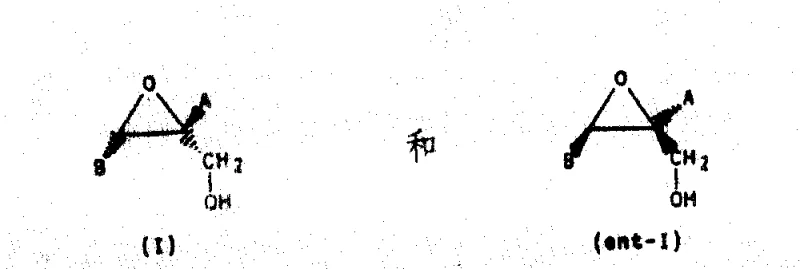
As a reliable pharmaceutical intermediate supplier, understanding the nuances of such patented technologies is crucial for ensuring supply chain continuity and product quality. The ability to produce these specific cis-epoxides with high fidelity reduces the burden on downstream purification processes, which is a significant cost driver in fine chemical manufacturing. This report analyzes the technical depth of this invention, providing R&D directors and procurement managers with the insights needed to evaluate its potential for integration into existing production lines or new process development projects.
The Limitations of Conventional Methods vs. The Novel Approach
The Limitations of Conventional Methods
Historically, the synthesis of hydroxymethyloxiranes has relied heavily on the epoxidation of allylic alcohols or the alkaline epoxidation of alpha,beta-unsaturated aldehydes followed by reduction. While these methods are chemically feasible, they often suffer from significant drawbacks regarding stereoselectivity and operational complexity. For instance, the oxidation of allylic alcohols frequently results in mixtures of cis and trans isomers, necessitating energy-intensive and yield-loss-prone separation techniques such as preparative HPLC or repeated crystallization. Furthermore, the handling of unstable alpha,beta-unsaturated aldehydes can pose safety risks and storage challenges on a commercial scale. The lack of precise control over the chiral centers in these conventional routes often leads to lower overall yields of the desired bioactive isomer, thereby inflating the cost of goods sold (COGS) and extending lead times for high-purity pharmaceutical intermediates.
The Novel Approach
The methodology disclosed in the patent represents a significant technological leap by employing alpha-substituted ketones as the primary starting materials. Instead of relying on the geometric constraints of double bonds, this route utilizes the steric and electronic properties of the alpha-leaving group to direct the formation of the epoxide ring. By reacting these ketones with trimethylsulfonium methylide or dimethyloxosulfonium methylide, the process inherently favors the formation of the cis-diastereomer. This intrinsic selectivity minimizes the formation of unwanted trans-isomers, effectively streamlining the purification workflow. Moreover, the reaction conditions are remarkably mild, typically proceeding at temperatures between 0°C and 80°C under atmospheric pressure, which enhances operational safety and reduces energy consumption compared to high-temperature or high-pressure alternatives.
Mechanistic Insights into Sulfonium Ylide-Mediated Epoxidation
The core of this innovation lies in the nucleophilic attack of the sulfur ylide on the carbonyl carbon of the ketone precursor. When the ketone, bearing a removable leaving group at the alpha-position, encounters the ylide species generated in situ, a betaine intermediate is formed. The specific spatial arrangement of the substituents A and B, combined with the nature of the leaving group X, dictates the conformational preference of this intermediate. Subsequent intramolecular displacement of the leaving group by the alkoxide oxygen closes the three-membered oxirane ring. Crucially, the transition state leading to the cis-product is energetically favored due to minimized steric clashes between the bulky aryl or alkyl groups during the ring-closing step. This mechanistic pathway ensures that the resulting 1-hydroxymethyloxirane possesses the desired relative stereochemistry without the need for external chiral catalysts in the initial cyclization step.
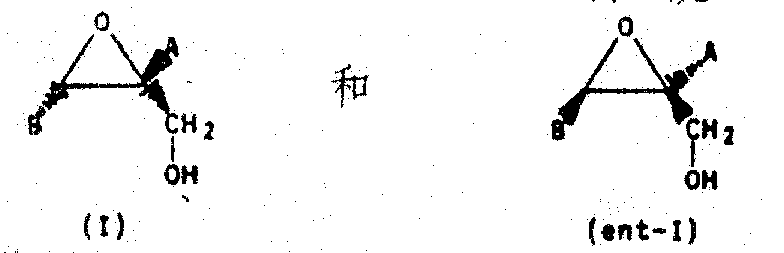
Impurity control is another critical aspect where this mechanism excels. In traditional epoxidations, over-oxidation or rearrangement side reactions can generate complex impurity profiles that are difficult to characterize and remove. In contrast, the ylide-mediated reaction is highly specific to the carbonyl functionality. The patent data indicates that under optimized conditions, the formation of the E-isomer is negligible, as evidenced by GC analysis in the provided examples where only the Z-(cis) isomer was detected. This high level of chemoselectivity simplifies the impurity profile, allowing for more straightforward quality control measures and ensuring that the final intermediate meets the stringent purity specifications required for GMP manufacturing of antifungal APIs.
How to Synthesize Cis-2-Substituted Glycidols Efficiently
Implementing this synthesis route requires careful attention to the preparation of the ylide reagent and the selection of the appropriate solvent system. The process begins with the generation of the reactive ylide, typically by treating trimethylsulfonium methyl sulfate or an iodate salt with a strong base such as sodium hydride or sodium amide. This step must be conducted under anhydrous conditions to prevent the decomposition of the ylide by moisture. Once the ylide is formed, the alpha-substituted ketone is introduced, either as a solution or neat, depending on its physical state. The reaction mixture is then maintained at a controlled temperature, preferably between 20°C and 60°C, to balance reaction rate and selectivity. Following the completion of the reaction, indicated by the consumption of the starting ketone, the mixture is quenched with water or a mild acid, and the product is extracted into an organic phase.
- Prepare the alpha-substituted ketone precursor (Formula II or II') containing a removable leaving group such as halogen, acyloxy, or silyloxy at the alpha-position.
- Generate the ylide reagent in situ by reacting trimethylsulfonium methyl sulfate or dimethyloxosulfonium methylide with a suitable strong base like sodium hydride or potassium tert-butoxide in an inert solvent.
- React the ketone with the generated ylide at temperatures between 0°C and 80°C to form the cis-epoxide, followed by aqueous workup and purification via chromatography or crystallization.
For practical application, the choice of solvent plays a pivotal role in solubility and reaction kinetics. Dimethyl sulfoxide (DMSO) and acetonitrile are highlighted as particularly effective solvents, offering excellent solvation for both the ionic ylide precursors and the organic ketone substrates. In cases where the ketone contains sensitive functional groups, tetrahydrofuran (THF) or toluene may be employed to moderate the reactivity. The workup procedure involves standard extraction techniques followed by purification, often via silica gel chromatography or recrystallization, to isolate the pure cis-glycidol. This standardized approach ensures reproducibility and scalability, making it suitable for both laboratory optimization and large-scale commercial production.
Commercial Advantages for Procurement and Supply Chain Teams
From a procurement and supply chain perspective, the adoption of this synthetic route offers substantial strategic benefits. The primary advantage lies in the simplification of the manufacturing process, which directly translates to cost reduction in pharmaceutical intermediate manufacturing. By eliminating the need for complex resolution steps or extensive chromatographic separations associated with non-selective epoxidation methods, producers can significantly lower their operational expenditures. The raw materials required, such as substituted benzaldehydes and simple sulfonium salts, are commodity chemicals with stable global supply chains, reducing the risk of raw material shortages. Furthermore, the mild reaction conditions reduce the demand for specialized high-pressure reactors or cryogenic cooling systems, allowing for production in standard multipurpose chemical plants.
- Cost Reduction in Manufacturing: The inherent diastereoselectivity of this process drastically reduces the volume of waste generated from unwanted isomers. In traditional synthesis, discarding the trans-isomer represents a direct loss of material and processing costs. By maximizing the yield of the desired cis-isomer, the overall material efficiency is improved, leading to substantial cost savings. Additionally, the avoidance of expensive chiral catalysts or enzymes in the initial ring-forming step further lowers the input costs, making the final intermediate more price-competitive in the global market.
- Enhanced Supply Chain Reliability: The robustness of the reaction conditions contributes to greater supply chain reliability. Since the process does not rely on sensitive biological catalysts or unstable reagents that require cold-chain logistics, inventory management becomes more straightforward. The ability to synthesize the intermediate on demand with high consistency ensures that downstream API manufacturers can maintain continuous production schedules without interruption. This reliability is critical for meeting the rigorous delivery timelines expected by multinational pharmaceutical companies.
- Scalability and Environmental Compliance: The process is inherently scalable, moving seamlessly from gram-scale laboratory experiments to multi-ton commercial batches. The use of common organic solvents that can be recovered and recycled aligns with modern environmental compliance standards. By minimizing the generation of hazardous byproducts and optimizing atom economy through high selectivity, this method supports sustainable manufacturing practices. This environmental compatibility is increasingly important for suppliers aiming to meet the green chemistry initiatives of major pharmaceutical clients.
Frequently Asked Questions (FAQ)
The following questions address common technical and commercial inquiries regarding the implementation of this patented technology. These answers are derived directly from the experimental data and claims within the patent documentation, providing a factual basis for decision-making. Understanding these details helps stakeholders assess the feasibility of adopting this route for their specific product portfolios.
Q: What are the key advantages of using sulfonium ylides for glycidol synthesis compared to traditional allylic oxidation?
A: The sulfonium ylide method described in CN1044278A offers superior stereocontrol, specifically favoring the formation of the cis-isomer which is critical for downstream antifungal activity. Unlike traditional allylic oxidation which often yields mixtures requiring difficult separation, this route utilizes specific alpha-substituted ketones to drive diastereoselectivity, significantly reducing purification burdens and improving overall process efficiency.
Q: Which solvents and bases are most effective for this epoxidation reaction?
A: The patent identifies polar aprotic solvents such as dimethyl sulfoxide (DMSO), acetonitrile, and tetrahydrofuran (THF) as optimal reaction media. For the base, strong inorganic bases like sodium hydride (NaH) or organic bases like potassium tert-butoxide are preferred to generate the reactive ylide species efficiently while maintaining mild reaction temperatures between 20°C and 60°C.
Q: Can this process be scaled for commercial production of antifungal intermediates?
A: Yes, the process is highly amenable to scale-up. The reaction conditions operate at near-atmospheric pressure and moderate temperatures, avoiding hazardous high-pressure hydrogenation or cryogenic conditions. The use of commercially available ketone precursors and robust ylide chemistry ensures a reliable supply chain for producing high-purity intermediates required for azole antifungal APIs.
Partnering with NINGBO INNO PHARMCHEM: Your Reliable Cis-2-Substituted Glycidols Supplier
At NINGBO INNO PHARMCHEM, we recognize the critical role that high-quality intermediates play in the development of life-saving antifungal medications. Our technical team possesses extensive experience scaling diverse pathways from 100 kgs to 100 MT/annual commercial production, ensuring that the transition from laboratory discovery to industrial reality is seamless. We are equipped with rigorous QC labs and adhere to stringent purity specifications to guarantee that every batch of cis-2-substituted glycidols meets the exacting standards required for API synthesis. Our commitment to technical excellence allows us to navigate the complexities of stereoselective chemistry with precision and reliability.
We invite procurement leaders and R&D directors to collaborate with us to optimize their supply chains. By leveraging our expertise in this specific epoxidation technology, we can offer a Customized Cost-Saving Analysis tailored to your project's unique requirements. We encourage you to contact our technical procurement team to request specific COA data and route feasibility assessments, ensuring that your next project is built on a foundation of chemical excellence and supply security.