
Advanced Synthesis of STRN3-Targeting Macrocyclic Polypeptides for Commercial Oncology Applications
Advanced Synthesis of STRN3-Targeting Macrocyclic Polypeptides for Commercial Oncology Applications
The pharmaceutical landscape for oncology treatment is witnessing a paradigm shift towards macrocyclic polypeptides, driven by their superior biochemical profiles compared to traditional small molecules and linear peptides. Patent CN113583088A introduces a groundbreaking class of macrocyclic polypeptides designed to target the B regulatory subunit Striatin3 (STRN3) of protein phosphatase 2A (PP2A), specifically for the treatment of gastric cancer. This technology addresses the critical limitations of peptide therapeutics, such as poor cell membrane permeability and rapid enzymatic degradation, by employing sophisticated cyclization strategies. The invention details a robust synthetic methodology that transforms the core sequence VRRIKMLEY into stable, bioactive macrocycles capable of inhibiting tumor cell growth with high potency. For industry stakeholders, this represents a significant opportunity to develop next-generation anti-cancer agents with enhanced drug-like properties.
The Limitations of Conventional Methods vs. The Novel Approach
The Limitations of Conventional Methods
Traditional linear peptide therapeutics often face insurmountable hurdles in clinical development due to their inherent instability in physiological environments. Linear sequences are highly susceptible to proteolytic cleavage by serum peptidases, resulting in extremely short half-lives that necessitate frequent dosing or complex delivery systems. Furthermore, the flexible backbone of linear peptides often leads to entropic penalties upon binding to target proteins, reducing affinity and specificity. In the context of intracellular targets like STRN3, linear peptides generally fail to penetrate the cell membrane effectively due to their polar nature and large molecular weight, rendering them inactive against cytosolic signaling pathways. These physicochemical deficiencies translate into high development costs and low success rates for conventional peptide drugs, creating an urgent need for structural stabilization technologies.
The Novel Approach
The novel approach outlined in the patent overcomes these barriers through the strategic introduction of covalent constraints that lock the peptide into a bioactive conformation. By cyclizing the peptide backbone or side chains using specific linker groups, the entropy of the unbound state is reduced, thereby enhancing binding affinity to the STRN3 target. The invention utilizes diverse cyclization chemistries, including thioether bridges and amide bonds, to create rigid macrocyclic frameworks that resist proteolytic attack. This structural rigidification not only improves metabolic stability but also dramatically enhances cell membrane permeability, as evidenced by comparative cellular uptake studies. The ability to tune the linker length and composition allows for precise optimization of the pharmacokinetic profile, making these macrocycles viable candidates for systemic administration in gastric cancer therapy.
Mechanistic Insights into Macrocyclization and Cell Permeability
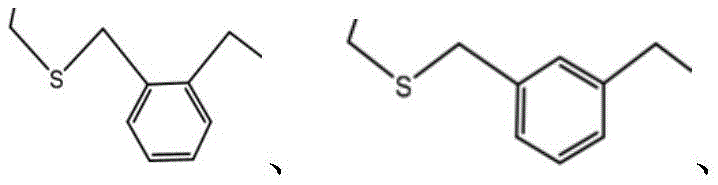
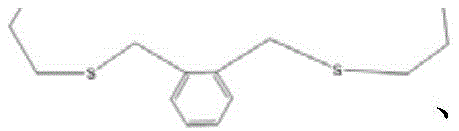
The mechanistic basis for the enhanced efficacy of these macrocyclic polypeptides lies in the precise spatial arrangement of the amino acid side chains facilitated by the cyclization linker. The patent describes the use of bifunctional alkylating agents, such as 1,2-, 1,3-, and 1,4-bis(bromomethyl)benzene, to bridge cysteine residues or N-terminal thiols with internal nucleophiles. This thioether formation creates a stable, non-reducible bridge that maintains the structural integrity of the peptide under reducing conditions found in the cytosol. The choice of the phenylene spacer in the linker provides a rigid aromatic platform that restricts rotational freedom, pre-organizing the peptide for optimal interaction with the STRN3 binding pocket. Additionally, the incorporation of hydrophobic modifications at the C-terminus, such as amidation or prenylation, further modulates the lipophilicity of the molecule, facilitating passive diffusion across the lipid bilayer.

Cellular uptake assays utilizing fluorescence-labeled analogs provide compelling evidence for the permeability advantage conferred by cyclization. As illustrated in the experimental data, cyclic variants exhibit intense intracellular fluorescence distribution, whereas their linear counterparts remain largely excluded from the cell interior or show weak membrane association. This phenomenon is attributed to the reduced polar surface area and the masking of hydrogen bond donors within the cyclic structure, which lowers the desolvation penalty required for membrane crossing. The patent further elucidates that specific linker geometries, such as the 1,4-substituted benzene bridge, offer the optimal balance between rigidity and flexibility to maximize both target engagement and cellular entry. This dual improvement in stability and permeability is the key mechanistic driver behind the observed potent inhibition of gastric cancer cell proliferation.
How to Synthesize Macrocyclic Polypeptides Efficiently
The synthesis of these high-value macrocyclic intermediates relies on a hybrid strategy combining the precision of solid-phase peptide synthesis (SPPS) with the flexibility of solution-phase cyclization. The process begins with the assembly of the linear precursor on a suitable resin, such as Rink Amide, using standard Fmoc chemistry to ensure high coupling efficiency and minimal racemization. Critical attention is paid to the incorporation of non-natural amino acids and modified residues, which require optimized activation protocols to prevent deletion sequences. Once the full linear sequence is assembled and the N-terminal modifying group is attached, the peptide is cleaved from the resin under acidic conditions that preserve sensitive side-chain functionalities. The resulting crude linear peptide is then purified and subjected to cyclization in the solution phase, where reaction conditions such as pH and solvent composition are tightly controlled to favor intramolecular ring closure over intermolecular polymerization.
- Perform Fmoc solid-phase synthesis on Rink Amide resin, coupling amino acids sequentially from C-terminus to N-terminus using activators like Oxyma and DIC.
- Cleave the linear peptide from the resin using a TFA-based cocktail containing scavengers like phenol and TIPS to obtain the crude linear precursor.
- Execute solution-phase cyclization by reacting the purified linear peptide with bifunctional linkers such as 1,4-bis(bromomethyl)benzene under basic conditions.
Commercial Advantages for Procurement and Supply Chain Teams
From a procurement and supply chain perspective, the adoption of this macrocyclization technology offers substantial strategic advantages over traditional peptide manufacturing routes. The reliance on standard Fmoc SPPS protocols means that the production can be leveraged on existing global manufacturing infrastructure without the need for specialized exotic equipment or hazardous reagents. The use of commercially available bifunctional linkers, such as bis-bromomethyl benzenes, ensures a stable and cost-effective supply chain for critical raw materials, mitigating the risk of shortages that often plague custom synthetic building blocks. Furthermore, the high purity levels achieved (>96%) directly after HPLC purification reduce the burden on downstream processing, leading to significant yield improvements and lower overall cost of goods sold. This efficiency translates into a more reliable supply of high-quality pharmaceutical intermediates for downstream drug formulation.
- Cost Reduction in Manufacturing: The streamlined synthetic route eliminates the need for complex enzymatic ligation steps or expensive transition metal catalysts often required in other cyclization methods. By utilizing robust chemical ligation via thioether formation, the process avoids the costs associated with removing trace metal impurities, which is a critical quality attribute for injectable oncology drugs. The high convergence of the solid-phase assembly minimizes material loss during intermediate isolation, ensuring that the overall material throughput is maximized. Consequently, manufacturers can achieve a leaner production model with reduced waste generation and lower operational expenditures per gram of active pharmaceutical ingredient produced.
- Enhanced Supply Chain Reliability: The modular nature of the synthesis allows for rapid scale-up from milligram research quantities to kilogram commercial batches without re-optimizing the core chemistry. Since the key reagents and resins are commodity chemicals available from multiple global vendors, the supply chain is resilient against single-source disruptions. The robustness of the thioether linkage also implies that the final product has excellent shelf-life stability, reducing the logistical complexities and costs associated with cold-chain storage and transportation. This stability ensures that inventory can be managed more effectively, providing buyers with greater flexibility in ordering schedules and stock management.
- Scalability and Environmental Compliance: The process is inherently scalable as it avoids the use of highly toxic reagents or extreme reaction conditions that are difficult to manage in large reactors. The solvent systems employed, primarily DMF and DCM, are well-understood in the industry with established recovery and recycling protocols, aligning with modern green chemistry initiatives. The high selectivity of the cyclization reaction minimizes the formation of difficult-to-separate byproducts, simplifying the purification workflow and reducing the volume of organic waste generated. This environmental compatibility facilitates smoother regulatory approvals and supports the sustainability goals of major pharmaceutical partners seeking eco-friendly manufacturing partners.
Frequently Asked Questions (FAQ)
The following questions address common technical and commercial inquiries regarding the production and application of these macrocyclic polypeptides. Understanding these details is crucial for R&D teams evaluating the feasibility of incorporating this scaffold into their drug discovery pipelines. The answers are derived directly from the technical specifications and experimental data provided in the patent documentation, ensuring accuracy and relevance for decision-makers.
Q: What is the primary advantage of these macrocyclic polypeptides over linear sequences?
A: The macrocyclic structure significantly enhances cell membrane permeability and metabolic stability compared to linear counterparts, allowing for more effective inhibition of gastric cancer cell proliferation.
Q: Can this synthesis route be scaled for commercial production?
A: Yes, the process utilizes standard Fmoc solid-phase synthesis protocols and solution-phase cyclization steps that are well-established for scale-up from laboratory to multi-ton manufacturing.
Q: What specific linker chemistries are compatible with this scaffold?
A: The patent describes versatile linker options including thioether bridges formed via bis-bromomethyl benzene derivatives and amide bonds, allowing for tunable pharmacokinetic properties.
Partnering with NINGBO INNO PHARMCHEM: Your Reliable Macrocyclic Polypeptide Supplier
NINGBO INNO PHARMCHEM stands at the forefront of peptide CDMO services, possessing the technical expertise to translate complex academic innovations like patent CN113583088A into commercial reality. Our facility is equipped with advanced solid-phase synthesizers and preparative HPLC systems capable of handling the intricate purification requirements of macrocyclic intermediates. We have extensive experience scaling diverse pathways from 100 kgs to 100 MT/annual commercial production, ensuring that your supply needs are met with consistency and precision. Our stringent purity specifications and rigorous QC labs guarantee that every batch of macrocyclic polypeptide meets the highest international standards for oncology drug development, providing you with a competitive edge in the market.
We invite potential partners to engage with our technical procurement team to discuss how we can tailor this synthesis platform to your specific project requirements. By leveraging our process optimization capabilities, we can provide a Customized Cost-Saving Analysis that identifies opportunities to further reduce manufacturing expenses without compromising quality. We encourage you to contact us to request specific COA data and route feasibility assessments for your target compounds. Let us be your trusted partner in bringing these promising gastric cancer therapeutics from the laboratory bench to the patients who need them most.