
Advanced Synthesis of Azelastine Intermediate N-Methyl Hexahydroazepin-4-One Hydrochloride
Advanced Synthesis of Azelastine Intermediate N-Methyl Hexahydroazepin-4-One Hydrochloride
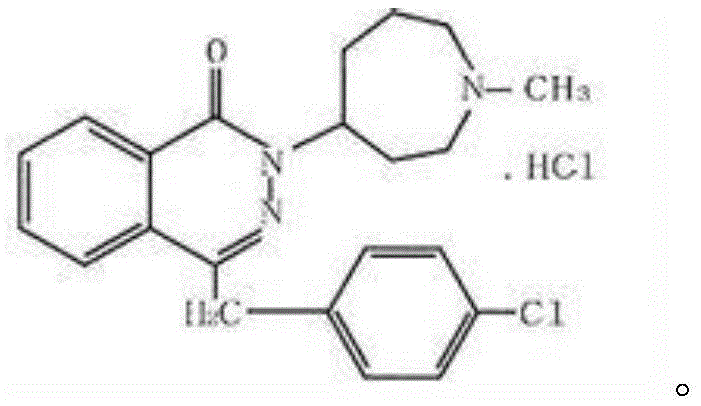
The pharmaceutical landscape for antihistamine treatments continues to evolve, with Azelastine hydrochloride remaining a cornerstone therapy for allergic rhinitis and urticaria due to its potent pharmacological activity. However, the commercial viability of this active pharmaceutical ingredient (API) is heavily dependent on the efficiency of synthesizing its key precursor, N-methyl hexahydroazepin-4-one hydrochloride. Recent intellectual property developments, specifically patent CN112079739B, have introduced a transformative preparation method that addresses long-standing inefficiencies in this synthetic pathway. By shifting from traditional acidic conditions to a novel alkaline hydrolysis protocol, this technology enables a drastic improvement in overall yield and product purity. This report analyzes the technical merits of this innovation, providing critical insights for R&D directors and procurement strategists seeking to optimize their supply chains for high-purity pharmaceutical intermediates.
The Limitations of Conventional Methods vs. The Novel Approach
The Limitations of Conventional Methods
Historically, the synthesis of N-methyl hexahydroazepin-4-one hydrochloride has been plagued by significant operational and economic drawbacks inherent to acid-catalyzed routes. Traditional methodologies, such as those described in prior art patent CN101781248B, rely on the ring-opening of N-methyl-2-pyrrolidone (NMP) using concentrated hydrochloric acid under heating. This approach suffers from severe volatility issues where the concentration of hydrochloric acid decreases as temperature rises, leading to incomplete ring-opening and inconsistent reaction kinetics. Furthermore, the resulting 4-(methylamino) butyric acid is notoriously difficult to separate and purify from the acidic mixture, often requiring complex extraction processes that degrade overall recovery rates. Additionally, these conventional routes typically utilize methyl esters which are highly susceptible to hydrolysis under the necessary alkaline conditions for subsequent cyclization, causing the total synthesis yield to stagnate below 30 percent.
The Novel Approach
In stark contrast, the innovative process disclosed in patent CN112079739B fundamentally reengineers the synthetic logic by employing alkaline hydrolysis as the initiating step. This strategic shift converts N-methyl-2-pyrrolidone directly into a sodium salt intermediate (Intermediate A), which precipitates as a solid and can be effortlessly isolated via simple centrifugation, bypassing the arduous purification steps of the past. The route further distinguishes itself by utilizing ethyl acrylate and ethanol to form ethyl ester intermediates rather than methyl esters. As illustrated in the reaction scheme below, this modification ensures superior stability during the subsequent cyclization phase, preventing the premature hydrolysis that plagues methyl ester variants. Consequently, this novel approach not only streamlines the operational workflow by eliminating the need for excess organic bases but also elevates the total yield to an impressive 65.9 percent, representing a paradigm shift in manufacturing efficiency.

Mechanistic Insights into Alkaline Hydrolysis and Cyclization
The core mechanistic advantage of this new process lies in the stabilization of intermediates through salt formation and ester selection. In the initial stage, N-methyl-2-pyrrolidone undergoes nucleophilic attack by hydroxide ions from sodium hydroxide at elevated temperatures around 100°C. Unlike acid hydrolysis which generates a free amine salt that is hygroscopic and difficult to handle, the alkaline condition produces a stable carboxylate salt. This solid intermediate allows for high-purity isolation using solvents like methyl tert-butyl ether, effectively removing unreacted starting materials and by-products before they can interfere with downstream reactions. The subsequent Michael addition with ethyl acrylate proceeds smoothly in an alcoholic solvent without the addition of auxiliary organic bases, as the nucleophilicity of the amine salt is sufficient to drive the substitution. This reduction in reagent complexity minimizes the formation of quaternary ammonium salt impurities that are common when using triethylamine or DIPEA.
Furthermore, the choice of ethyl ester over methyl ester is a critical determinant of success in the final cyclization step. During the ring-closure reaction mediated by strong bases like potassium tert-butoxide, methyl esters are prone to rapid saponification, reverting to carboxylic acids and failing to cyclize efficiently. The ethyl ester group, possessing slightly different steric and electronic properties, demonstrates enhanced resistance to this hydrolytic degradation under the specific reaction conditions employed. This stability ensures that the diester intermediate survives long enough to undergo the intramolecular Claisen condensation and subsequent decarboxylation required to form the seven-membered azepine ring. The detailed reaction pathway shown below highlights how the specific reagents, including thionyl chloride for esterification and precise pH controls, converge to maximize the conversion of Intermediate C into the final target molecule with minimal side reactions.

How to Synthesize N-Methyl Hexahydroazepin-4-One Efficiently
The implementation of this advanced synthesis route requires precise control over reaction parameters to fully realize the yield and purity benefits documented in the patent literature. The process is designed to be scalable, moving from laboratory benchtop quantities to industrial reactor volumes with minimal adjustment to the fundamental chemistry. Operators must pay close attention to the temperature profiles during the hydrolysis and esterification stages, as well as the stoichiometric ratios of sodium hydroxide and ethyl acrylate, to ensure complete conversion at each step. The following guide outlines the standardized operational framework derived from the patent examples, serving as a foundational reference for process engineers aiming to replicate this high-efficiency pathway in a GMP-compliant environment. For the detailed standardized synthesis steps, please refer to the guide below.
- Hydrolyze N-methyl-2-pyrrolidone under alkaline conditions using sodium hydroxide to form Intermediate A salt.
- React Intermediate A with ethyl acrylate in ethanol for substitution addition to generate Intermediate B.
- Perform esterification on Intermediate B using thionyl chloride to obtain the diester Intermediate C.
- Cyclize Intermediate C using potassium tert-butoxide followed by acidification and decarboxylation to yield the final product.
Commercial Advantages for Procurement and Supply Chain Teams
For procurement managers and supply chain directors, the adoption of this novel synthetic route offers profound advantages that extend far beyond simple yield improvements. The transition to an alkaline hydrolysis protocol fundamentally alters the cost structure of manufacturing this critical intermediate by eliminating the reliance on volatile and corrosive concentrated hydrochloric acid for the initial ring-opening. This change not only reduces the wear and tear on reactor equipment, thereby lowering capital expenditure on maintenance, but also significantly mitigates the safety risks associated with handling large volumes of hot concentrated acid. Furthermore, the ability to isolate the first intermediate as a solid salt via centrifugation removes the need for energy-intensive distillation or complex liquid-liquid extraction procedures, resulting in substantial reductions in utility consumption and processing time per batch.
- Cost Reduction in Manufacturing: The elimination of expensive organic bases such as triethylamine and DIPEA from the substitution addition step represents a direct saving in raw material costs. In traditional routes, these amines are consumed in stoichiometric quantities and generate salt waste that requires disposal, whereas the new method utilizes the intrinsic nucleophilicity of the intermediate salt. Additionally, the use of ethanol as both a solvent and a reactant for the esterification step creates a closed-loop system where hydrolysis by-products can be recycled back into the process, adhering to principles of atomic economy. This reduction in auxiliary reagents and solvent waste translates to a significantly lower cost of goods sold (COGS) without compromising the quality of the final API intermediate.
- Enhanced Supply Chain Reliability: The robustness of the ethyl ester intermediate against hydrolysis ensures a more consistent and predictable production schedule, reducing the risk of batch failures that can disrupt downstream API synthesis. Because the purification of the initial intermediate is achieved through simple physical separation (centrifugation) rather than complex chemical workups, the lead time for producing high-purity pharmaceutical intermediates is drastically shortened. This operational simplicity allows manufacturers to respond more agilely to fluctuations in market demand for azelastine, ensuring a continuous and reliable supply of this essential medication to global markets without the bottlenecks associated with low-yield, multi-step purification processes.
- Scalability and Environmental Compliance: From an environmental perspective, this process aligns perfectly with modern green chemistry initiatives by minimizing the generation of hazardous waste streams. The avoidance of chlorinated solvents in the early stages and the reduction of organic amine waste simplify the wastewater treatment requirements, making it easier for facilities to maintain compliance with stringent environmental regulations. The high overall yield of 65.9 percent means that less raw material is required to produce the same amount of product, effectively reducing the carbon footprint of the manufacturing process. This scalability and environmental friendliness make the technology highly attractive for long-term commercial partnerships focused on sustainable pharmaceutical production.
Frequently Asked Questions (FAQ)
The following questions address common technical inquiries regarding the implementation and benefits of this patented synthesis method. These answers are derived directly from the experimental data and comparative analysis provided in the patent documentation, offering clarity on why this route is superior to legacy methods. Understanding these nuances is essential for technical teams evaluating the feasibility of adopting this process for large-scale manufacturing operations. We encourage stakeholders to review these points to gain a comprehensive understanding of the operational improvements offered by this technology.
Q: Why is the alkaline hydrolysis route superior to the traditional acid hydrolysis method?
A: The alkaline route produces a solid salt intermediate that is easily separated via centrifugation, avoiding the difficult purification and low yields associated with volatile hydrochloric acid conditions in traditional methods.
Q: What is the advantage of using ethyl esters over methyl esters in this synthesis?
A: Ethyl esters exhibit greater stability against hydrolysis under the reaction conditions compared to methyl esters, significantly improving the cyclization yield from less than 30% to over 65%.
Q: Does this process require expensive organic bases for the substitution step?
A: No, the novel process eliminates the need for additional organic bases like triethylamine or DIPEA during the substitution addition step, reducing raw material costs and simplifying waste treatment.
Partnering with NINGBO INNO PHARMCHEM: Your Reliable N-Methyl Hexahydroazepin-4-One Hydrochloride Supplier
At NINGBO INNO PHARMCHEM, we recognize that the successful commercialization of complex pharmaceutical intermediates requires more than just a patent; it demands deep process engineering expertise and a commitment to quality. Our team possesses extensive experience scaling diverse pathways from 100 kgs to 100 MT/annual commercial production, ensuring that the theoretical benefits of this alkaline hydrolysis route are fully realized in practical application. We operate stringent purity specifications and maintain rigorous QC labs to guarantee that every batch of N-methyl hexahydroazepin-4-one hydrochloride meets the exacting standards required for antihistamine API synthesis. Our infrastructure is designed to handle the specific solvent systems and reaction conditions outlined in this technology, providing a seamless transition from development to full-scale supply.
We invite global partners to collaborate with us to leverage this cost-effective and environmentally friendly synthesis route for their azelastine supply chains. By engaging with our technical procurement team, you can request a Customized Cost-Saving Analysis tailored to your specific volume requirements. We are prepared to provide specific COA data and route feasibility assessments to demonstrate how our manufacturing capabilities can enhance your supply chain resilience. Contact us today to discuss how we can support your production goals with high-quality, reliably sourced pharmaceutical intermediates.