
Advanced Large-Scale Purification Technology for High-Purity Fusidic Acid Production
Introduction to Next-Generation Fusidic Acid Isolation
The global demand for effective antibiotics against methicillin-resistant Staphylococcus aureus (MRSA) continues to drive the need for robust supply chains of active pharmaceutical ingredients like Fusidic Acid. However, the downstream processing of fermentation broths has historically been a bottleneck due to complex impurity profiles and inefficient separation techniques. Patent CN114634544A introduces a transformative large-scale separation and purification method that addresses these critical pain points. By leveraging a precise oxalic acid-mediated pH modulation strategy combined with selective liquid-liquid extraction, this technology bypasses the traditional reliance on macroporous resins and silica gel columns. This innovation not only streamlines the manufacturing workflow but also significantly enhances the environmental profile of the production process by minimizing wastewater generation and organic solvent consumption. For pharmaceutical manufacturers, this represents a pivotal shift towards more sustainable and cost-effective API production capabilities.
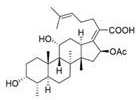
The Limitations of Conventional Methods vs. The Novel Approach
The Limitations of Conventional Methods
Traditional isolation protocols for fusidic acid have predominantly relied on ion exchange resins or single-use silica gel chromatography, methodologies that are increasingly untenable for modern large-scale manufacturing. These conventional approaches suffer from inherent inefficiencies, particularly regarding the pretreatment of adsorbents which consumes vast quantities of acid and base solutions, thereby generating substantial volumes of hazardous wastewater. Furthermore, the elution processes in resin-based systems often require large volumes of organic solvents under strict recovery conditions, driving up operational expenditures and complicating solvent recycling logistics. The loading capacity of these solid-phase materials is frequently limited, leading to lower overall yields and higher production costs per kilogram of active ingredient. Additionally, the disposal of spent silica gel and resin creates significant environmental compliance burdens, making these legacy methods less attractive for companies aiming to reduce their carbon footprint and operational waste.
The Novel Approach
In stark contrast, the novel methodology disclosed in the patent utilizes a sophisticated liquid-liquid extraction strategy driven by pH-dependent solubility changes, effectively eliminating the need for solid-phase adsorbents. The process initiates with the direct acidification of the fermentation broth using oxalic acid to a pH range of 3-5, facilitating the initial separation of biomass. Subsequent steps involve a strategic "pH-swing" technique where the target molecule is shuttled between aqueous and organic phases—first moving into the aqueous phase at high alkalinity (pH 12-14) to leave lipophilic impurities behind, and then back-extracting into an ester phase at controlled acidic conditions (pH 8-10 and 6-8). This approach drastically simplifies the unit operations, reduces the total volume of organic solvents required, and avoids the generation of solid waste associated with column chromatography, resulting in a cleaner, more efficient, and highly scalable production route.
Mechanistic Insights into pH-Swing Liquid-Liquid Extraction
The core scientific breakthrough of this purification protocol lies in the exploitation of the amphiphilic nature of fusidic acid and its ionization behavior across different pH environments. Fusidic acid possesses a carboxylic acid moiety that allows it to exist in either a neutral, lipophilic free acid form or a hydrophilic carboxylate salt form depending on the proton concentration of the medium. By initially adjusting the fermentation broth to an acidic pH of 3-5 using oxalic acid, the process ensures that the majority of the fusidic acid remains in its neutral form, allowing for efficient extraction into organic solvents like methanol or ethanol while precipitating out certain proteinaceous impurities. The subsequent addition of sodium hydroxide to raise the pH to 12-14 converts the fusidic acid into its water-soluble sodium salt, effectively pulling it into the aqueous phase and leaving behind non-ionizable organic contaminants in the ethyl acetate layer. This selective partitioning is the fundamental mechanism that drives the high purity levels observed in the final product.
Following the alkaline wash, the process employs a graded re-acidification strategy using oxalic acid to precisely control the recovery of the product. By stepwise lowering the pH first to the 8-10 range and subsequently to the 6-8 range, the operators can selectively precipitate or extract the fusidic acid back into the organic ester phase while leaving highly polar or ionic impurities in the aqueous waste stream. This multi-stage extraction acts as a powerful purification cascade, progressively enriching the concentration of the target API with each cycle. The final crystallization step, utilizing a specific mixture of ethanol and petroleum ether, further refines the crystal lattice formation, ensuring that the final solid state material meets stringent pharmacopeial standards for both chemical purity and physical form, effectively mitigating the risk of residual solvent entrapment.
How to Synthesize Fusidic Acid Efficiently
The implementation of this purification route requires careful attention to pH control and solvent ratios to maximize recovery rates. The process is designed to be operationally simple, relying on standard chemical engineering unit operations such as filtration, stirring, and vacuum concentration rather than specialized chromatographic equipment. The following guide outlines the critical stages of the synthesis and isolation workflow as validated by the patent data, providing a roadmap for technical teams to replicate these high-efficiency results in a pilot or production setting. Detailed standardized operating procedures regarding specific flow rates and equipment specifications should be consulted during the technology transfer phase.
- Adjust fermentation broth pH to 3-5 using oxalic acid, filter to separate wet bacterial residue, and dry the residue.
- Extract dried residue with organic solvents (methanol/ethanol), concentrate, and perform liquid-liquid extraction with ethyl acetate.
- Execute pH-swing purification: transfer to aqueous phase at pH 12-14, then back-extract into ester phase at pH 8-10 and 6-8 using oxalic acid.
Commercial Advantages for Procurement and Supply Chain Teams
For procurement managers and supply chain directors, the adoption of this novel purification technology offers compelling economic and logistical advantages over traditional resin-based methods. By eliminating the requirement for expensive macroporous resins and disposable silica gel, the direct material costs associated with the purification stage are substantially reduced. Furthermore, the simplified workflow reduces the dependency on complex solvent recovery systems and minimizes the volume of hazardous waste requiring treatment, leading to significant operational cost savings. The robustness of the pH-swing extraction method also enhances supply chain reliability by reducing the risk of batch failures associated with column channeling or resin degradation, ensuring a more consistent and predictable output of high-quality API for downstream formulation.
- Cost Reduction in Manufacturing: The elimination of solid-phase adsorbents removes a major variable cost component from the production budget, while the reduced consumption of organic solvents lowers both raw material expenses and waste disposal fees. The streamlined process flow also reduces labor hours and energy consumption associated with extended chromatography runs, contributing to a leaner manufacturing cost structure that improves overall margin potential for the final antibiotic product.
- Enhanced Supply Chain Reliability: Unlike resin columns which have finite lifespans and can suffer from fouling or breakthrough issues, liquid-liquid extraction equipment is durable and easier to maintain, ensuring continuous production capability. The use of common, commodity-grade solvents like ethyl acetate and ethanol ensures that raw material sourcing remains stable and unaffected by niche supply shortages, thereby securing the continuity of supply for critical antibiotic inventories.
- Scalability and Environmental Compliance: The process is inherently scalable, having been demonstrated to work effectively from laboratory bench scales up to industrial production volumes without the need for complex re-optimization. By avoiding the generation of large volumes of acidic or basic wastewater typical of resin regeneration cycles, this method aligns with increasingly stringent environmental regulations, reducing the regulatory burden and facilitating smoother audits and compliance certifications for manufacturing sites.
Frequently Asked Questions (FAQ)
The following questions address common technical and commercial inquiries regarding the implementation of this purification technology. These insights are derived directly from the experimental data and claims presented in the patent documentation, offering clarity on the feasibility and performance metrics of the oxalic acid extraction method. Understanding these details is crucial for technical teams evaluating the integration of this process into existing manufacturing lines.
Q: How does the oxalic acid pH adjustment improve purity compared to resin methods?
A: Unlike macroporous resins which require extensive acid-base pretreatment and generate significant wastewater, the oxalic acid method utilizes precise pH swings (from pH 3-5 up to 12-14 and back down to 6-8) to selectively partition fusidic acid between aqueous and organic phases, effectively removing impurities without solid-phase adsorption limitations.
Q: What is the expected yield and purity of this purification process?
A: According to patent CN114634544A, this optimized process achieves a final yield exceeding 95% and a product purity greater than 99.8%, with the fusidic acid content in the pure product reaching over 99%.
Q: Is this method suitable for industrial scale-up?
A: Yes, the method is specifically designed for large-scale production. It eliminates the need for disposable silica gel or complex resin columns, reduces organic solvent consumption, and simplifies the workflow into standard filtration and extraction unit operations suitable for multi-ton manufacturing.
Partnering with NINGBO INNO PHARMCHEM: Your Reliable Fusidic Acid Supplier
At NINGBO INNO PHARMCHEM, we recognize the critical importance of high-purity intermediates and APIs in the development of life-saving antibiotics. Our technical team possesses extensive experience scaling diverse pathways from 100 kgs to 100 MT/annual commercial production, ensuring that complex purification challenges like those solved by the oxalic acid pH-swing method are executed with precision. We maintain stringent purity specifications and operate rigorous QC labs to guarantee that every batch of fusidic acid meets the highest international standards for potency and impurity control, providing our partners with the confidence needed to advance their drug development pipelines.
We invite pharmaceutical companies and contract manufacturers to collaborate with us to leverage these advanced purification technologies for their specific product needs. Please contact our technical procurement team to request a Customized Cost-Saving Analysis tailored to your production volume. We are ready to provide specific COA data and comprehensive route feasibility assessments to demonstrate how our optimized manufacturing processes can enhance your supply chain efficiency and product quality.