
Scalable Metal-Free Synthesis of Aromatic Azo Compounds via PEG-200 Catalysis
Scalable Metal-Free Synthesis of Aromatic Azo Compounds via PEG-200 Catalysis
The synthesis of aromatic azo compounds represents a critical capability in the modern fine chemical industry, serving as foundational building blocks for a vast array of applications ranging from advanced pharmaceutical intermediates to high-performance dye precursors. Traditionally, the construction of the azo (-N=N-) linkage has relied heavily on transition metal catalysis or harsh stoichiometric reductants, which pose significant challenges regarding cost, toxicity, and process safety. However, the technological landscape is shifting with the disclosure of patent CN103450044A, which introduces a groundbreaking, metal-free methodology utilizing polyethylene glycol (PEG-200) as a highly efficient organocatalyst. This innovation offers a compelling alternative for industrial manufacturers seeking to optimize their supply chains for reliable pharmaceutical intermediates supplier networks. By leveraging a simple yet robust system comprising PEG-200, a strong base promoter, and an organic solvent under inert conditions, this process achieves exceptional yields without the burden of heavy metal contamination. For R&D directors and procurement strategists alike, this patent signals a pivotal move towards greener, more cost-effective manufacturing paradigms that align with stringent global regulatory standards.
The Limitations of Conventional Methods vs. The Novel Approach
The Limitations of Conventional Methods
Historically, the preparation of aromatic azo compounds has been fraught with technical and economic inefficiencies that hinder large-scale commercialization. Prior art methodologies frequently depend on the use of precious or toxic metal catalysts, such as unsupported ultra-thin platinum nanowires, ruthenium nanoparticles, or gold nanoparticles supported on zirconia. While these systems can achieve conversion, they introduce severe downstream processing burdens, specifically the necessity for exhaustive metal removal to meet ppm-level specifications required in pharmaceutical grades. Furthermore, alternative routes employing stoichiometric amounts of heavy metals like lead or bismuth present unacceptable environmental hazards and waste disposal costs. Another significant bottleneck in conventional synthesis is the reliance on high-pressure hydrogenation conditions, which necessitates expensive autoclave infrastructure and introduces substantial safety risks related to hydrogen handling. These factors collectively inflate the cost of goods sold (COGS) and extend lead times, creating friction in the supply chain for high-purity azo compounds.
The Novel Approach
In stark contrast to these legacy technologies, the method disclosed in CN103450044A utilizes a benign organocatalytic system centered on PEG-200. This approach fundamentally alters the reaction landscape by eliminating transition metals entirely, thereby removing the need for complex metal scavenging units and reducing the environmental footprint of the synthesis. The reaction proceeds smoothly in common organic solvents like dioxane, promoted by potassium tert-butoxide, under mild thermal conditions typically ranging from 100°C to 150°C. This shift not only enhances operational safety by avoiding high-pressure hydrogen but also simplifies the workup procedure to basic solvent removal and chromatography. The versatility of this system is demonstrated by its ability to accommodate a wide variety of electronic environments on the aromatic ring, delivering high yields for substrates bearing electron-donating or withdrawing groups. This robustness makes it an ideal candidate for the commercial scale-up of complex intermediates, offering a streamlined path from benchtop discovery to multi-ton production.
Mechanistic Insights into PEG-200 Catalyzed Reductive Coupling
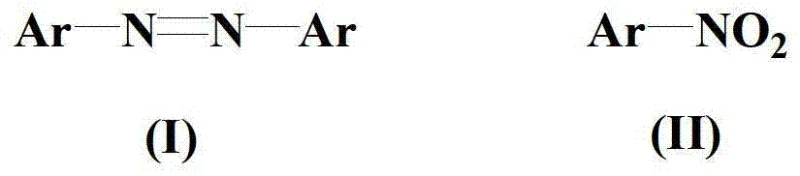
The efficacy of the PEG-200 catalyzed system lies in its unique ability to facilitate electron transfer and stabilize reactive intermediates without the involvement of metallic centers. While the precise mechanistic cycle involves complex interactions between the nitro substrate, the base, and the polyether chain of the catalyst, the overarching process drives the reductive coupling of two nitroarene molecules to form the azo linkage. The polyethylene glycol likely acts as a phase-transfer-like agent or a stabilizer for anionic species generated by the strong base, enhancing the solubility of reactants and promoting the necessary condensation steps. This organocatalytic mode of action ensures that the reaction remains highly selective for the azo product, minimizing the formation of over-reduced amines or other side products that often plague metal-catalyzed hydrogenations. The presence of a small amount of deionized water further modulates the reaction environment, potentially assisting in proton transfer steps essential for the reduction sequence. Such mechanistic elegance allows for the synthesis of structurally diverse azo compounds with remarkable purity profiles, often exceeding 98% as confirmed by HPLC analysis in the patent examples.
From an impurity control perspective, this metal-free route offers distinct advantages for regulatory compliance. The absence of heavy metals means that the critical quality attribute of residual metal content is inherently managed at the source, rather than relying on post-reaction purification. This significantly reduces the risk of batch failures due to metal specification exceedances, a common pain point in API intermediate manufacturing. Furthermore, the reaction conditions are sufficiently mild to preserve sensitive functional groups such as halides and ethers, which might otherwise be susceptible to hydrodehalogenation or cleavage under vigorous metal-catalyzed hydrogenation conditions. The result is a cleaner crude profile that simplifies downstream purification, ultimately leading to higher overall process efficiency and reduced solvent consumption. This level of control is paramount for producing high-purity OLED material or pharmaceutical precursors where trace impurities can have detrimental effects on final product performance.
How to Synthesize Aromatic Azo Compounds Efficiently
The practical implementation of this synthesis is straightforward and amenable to standard chemical processing equipment found in most pilot and production facilities. The protocol involves charging a reactor with the chosen aromatic nitro compound, the PEG-200 catalyst, potassium tert-butoxide as the promoter, and a controlled amount of deionized water in a solvent like dioxane. The mixture is then heated under a nitrogen atmosphere to maintain an oxygen-free environment, which is crucial for preventing oxidative side reactions and ensuring high selectivity. Following the reaction period, typically lasting between 8 to 15 hours depending on the substrate, the product is isolated through conventional workup techniques. Detailed standardized operating procedures for this transformation are provided below to assist technical teams in replicating these results.
- Prepare the reaction mixture by adding the aromatic nitro compound, potassium tert-butoxide, PEG-200 catalyst, and deionized water into an organic solvent such as dioxane.
- Heat the mixture to a temperature between 100°C and 150°C under an inert nitrogen atmosphere for 8 to 15 hours to facilitate the reductive coupling.
- Upon completion, remove the solvent via rotary evaporation and purify the resulting crude solid using silica gel column chromatography to obtain the high-purity azo product.
Commercial Advantages for Procurement and Supply Chain Teams
For procurement managers and supply chain leaders, the adoption of this PEG-200 catalyzed technology translates into tangible strategic benefits that extend beyond mere chemical yield. The elimination of expensive noble metals like platinum, ruthenium, and gold directly impacts the raw material cost structure, offering significant cost reduction in fine chemical manufacturing. By removing the dependency on volatile precious metal markets and the associated logistics of catalyst recovery and recycling, companies can achieve more stable and predictable pricing models. Additionally, the simplified purification train reduces the consumption of auxiliary materials such as metal scavengers and specialized filtration media, further driving down operational expenditures. This economic efficiency is compounded by the enhanced safety profile of the process, which lowers insurance premiums and reduces the regulatory burden associated with handling hazardous high-pressure gases and toxic heavy metals.
- Cost Reduction in Manufacturing: The substitution of costly transition metal catalysts with inexpensive, commodity-grade PEG-200 results in a drastic reduction in direct material costs. Since PEG-200 is a bulk chemical with a stable supply chain, manufacturers are insulated from the price volatility often seen with rare earth or precious metal catalysts. Furthermore, the absence of metal residues eliminates the need for expensive purification steps such as activated carbon treatment or specialized resin columns, streamlining the production workflow and reducing cycle times. This holistic cost optimization makes the process highly competitive for large-volume production of dye intermediates and pharmaceutical building blocks.
- Enhanced Supply Chain Reliability: Relying on a metal-free synthesis mitigates supply chain risks associated with the geopolitical instability of rare metal sourcing. The reagents required for this process, including potassium tert-butoxide and common organic solvents, are widely available from multiple global suppliers, ensuring continuity of supply even during market disruptions. The robustness of the reaction conditions also means that the process is less sensitive to minor variations in raw material quality, reducing the incidence of batch rejections and ensuring consistent delivery schedules. This reliability is critical for maintaining just-in-time inventory levels and meeting the demanding timelines of downstream customers in the agrochemical and pharmaceutical sectors.
- Scalability and Environmental Compliance: The green chemistry credentials of this method facilitate easier regulatory approval and environmental permitting. By avoiding heavy metal waste streams, the process significantly reduces the cost and complexity of wastewater treatment and hazardous waste disposal. The mild reaction conditions allow for the use of standard glass-lined or stainless steel reactors without the need for specialized high-pressure vessels, lowering the barrier to entry for contract manufacturing organizations (CMOs) looking to expand their capacity. This scalability ensures that the technology can seamlessly transition from kilogram-scale development to multi-ton commercial production, supporting long-term growth strategies without the need for massive capital reinvestment in specialized infrastructure.
Frequently Asked Questions (FAQ)
The following questions address common technical and commercial inquiries regarding the implementation of this novel synthetic route. These insights are derived directly from the experimental data and comparative examples provided in the patent documentation, offering a clear picture of the technology's capabilities and limitations. Understanding these nuances is essential for project managers evaluating the feasibility of integrating this method into existing production lines.
Q: What are the advantages of using PEG-200 over traditional metal catalysts for azo synthesis?
A: Using PEG-200 eliminates the need for expensive and toxic heavy metals like platinum, ruthenium, or lead. This significantly simplifies the purification process by removing the requirement for rigorous heavy metal scavenging steps, thereby reducing production costs and environmental impact while maintaining high yields.
Q: Can this method tolerate various functional groups on the aromatic ring?
A: Yes, the protocol demonstrates excellent chemoselectivity and tolerance for a wide range of substituents including halogens (chloro, bromo), alkyl groups (tert-butyl, methyl), and alkoxy groups (methoxy, phenoxy), making it suitable for synthesizing diverse pharmaceutical and dye intermediates.
Q: Is high-pressure equipment required for this synthesis?
A: No, unlike traditional hydrogenation methods that require high-pressure hydrogen gas and specialized autoclaves, this method operates under standard atmospheric pressure (under inert gas protection), significantly enhancing operational safety and reducing capital expenditure on equipment.
Partnering with NINGBO INNO PHARMCHEM: Your Reliable Aromatic Azo Compounds Supplier
At NINGBO INNO PHARMCHEM, we recognize the transformative potential of metal-free catalytic technologies in reshaping the landscape of fine chemical synthesis. As a premier CDMO partner, we possess extensive experience scaling diverse pathways from 100 kgs to 100 MT/annual commercial production, ensuring that innovative laboratory discoveries are successfully translated into robust industrial processes. Our state-of-the-art facilities are equipped to handle the specific requirements of the PEG-200 catalyzed synthesis, maintaining stringent purity specifications and rigorous QC labs to guarantee product quality that meets or exceeds international pharmacopeial standards. We are committed to delivering high-purity aromatic azo compounds that empower our clients to accelerate their drug development and material science programs with confidence.
We invite you to collaborate with us to leverage this advanced synthesis technology for your next project. Our technical team is ready to provide a Customized Cost-Saving Analysis tailored to your specific volume requirements and quality targets. Please contact our technical procurement team today to request specific COA data and route feasibility assessments, and let us demonstrate how our expertise can drive efficiency and value for your organization.