
Scalable Heterogeneous Cobalt Catalysis for High-Purity Alkylated and Fluoroalkylated Compounds
Scalable Heterogeneous Cobalt Catalysis for High-Purity Alkylated and Fluoroalkylated Compounds
The introduction of haloalkyl groups, particularly fluoroalkyl moieties, into organic scaffolds is a cornerstone strategy in modern medicinal chemistry and agrochemical development, profoundly influencing metabolic stability, lipophilicity, and bioavailability. Patent CN110944965A presents a transformative methodology for the production of alkylated, fluoroalkylated, chloroalkylated, and fluorochloroalkylated compounds utilizing a heterogeneous cobalt-catalyzed system. This innovation addresses critical bottlenecks in traditional organofluorine chemistry by replacing expensive noble metal catalysts and difficult-to-separate homogeneous systems with a robust, recyclable cobalt-phenanthroline complex supported on carbon (Co-L1/C). For R&D directors and process chemists, this technology offers a pathway to synthesize complex intermediates with high selectivity while maintaining rigorous purity standards essential for pharmaceutical applications.
From a supply chain and procurement perspective, the shift towards base metal catalysis represents a significant opportunity for cost optimization without compromising reaction efficiency. The patented process is notable for its compatibility with alkyl bromides, which are substantially more economical and environmentally benign than the traditionally required alkyl iodides. By enabling the use of readily available starting materials and a reusable heterogeneous catalyst, this method facilitates the commercial scale-up of complex organofluorine compounds, ensuring a reliable supply of high-purity intermediates for the global pharmaceutical and agrochemical markets.
The Limitations of Conventional Methods vs. The Novel Approach
The Limitations of Conventional Methods
Historically, the alkylation and perfluoroalkylation of aromatic and heteroaromatic compounds have relied heavily on homogeneous catalytic systems or noble metal-based heterogeneous catalysts. Homogeneous catalysis, while often effective in laboratory settings, presents substantial challenges for industrial implementation due to the difficulty in separating the catalyst from the reaction mixture. The requirement for expensive, structurally complex ligands that are often not commercially available on a large scale further exacerbates cost issues. Moreover, the removal of trace metal residues from the final active pharmaceutical ingredient (API) or intermediate is a stringent regulatory requirement, and homogeneous systems often necessitate additional, costly purification steps to meet these specifications.
Alternatively, existing heterogeneous methods have frequently depended on platinum-group metals, such as platinum on carbon (Pt/C). While Pt/C offers the advantage of heterogeneity, the intrinsic high cost of platinum renders the process economically unviable for large-scale manufacturing of commodity intermediates. Furthermore, many conventional processes are limited to the use of alkyl iodides as the alkylating agent. Iodides are not only more expensive than their bromide or chloride counterparts but also generate iodine-containing by-products that are more challenging to dispose of and manage from an environmental compliance standpoint. These factors collectively hinder the efficient, cost-effective production of haloalkylated compounds needed for next-generation therapeutics.
The Novel Approach
The methodology disclosed in CN110944965A overcomes these limitations through the deployment of a 1,10-phenanthroline cobalt complex supported on carbon (Co-L1/C). This heterogeneous catalyst system surprisingly demonstrates high activity and selectivity for the alkylation of a wide range of substrates, including those that are typically considered non-activated, such as thiophenes. A pivotal advancement of this technology is its ability to effectively utilize alkyl bromides as alkylating agents with results comparable to, or better than, those achieved with iodides. This capability drastically reduces raw material costs and simplifies waste management protocols.
Furthermore, the heterogeneous nature of the Co-L1/C catalyst allows for straightforward separation via filtration or centrifugation, enabling catalyst reuse and minimizing metal leaching into the product stream. This feature is critical for maintaining the high purity profiles required in pharmaceutical manufacturing. The process operates under relatively mild conditions and is compatible with a diverse array of functional groups, allowing for the direct functionalization of complex molecular architectures without the need for extensive protecting group strategies. This streamlined approach significantly enhances the overall process mass intensity (PMI) and operational efficiency.
Mechanistic Insights into Heterogeneous Cobalt-Catalyzed Alkylation
The catalytic cycle likely involves the generation of alkyl or fluoroalkyl radicals from the alkyl halide (ALKHAL) mediated by the cobalt centers on the carbon support. The Co-L1/C catalyst, comprising cobalt oxide species coordinated with 1,10-phenanthroline ligands anchored on a high-surface-area carbon matrix, facilitates the single-electron transfer (SET) processes necessary to cleave the carbon-halogen bond. This radical generation step is crucial for the subsequent addition to the substrate (COMPSUBST), whether it be an aromatic ring, a heterocycle, or an unsaturated bond like ethylene or acetylene. The robustness of the cobalt-phenanthroline coordination on the solid support prevents the leaching of active metal species, ensuring that the catalytic activity remains localized on the heterogeneous phase.
Substrate compatibility is exceptionally broad, encompassing monocyclic and bicyclic aromatic and heteroaromatic systems. As illustrated in the structural definitions within the patent, the process tolerates a wide variety of substituents on the ring systems, including electron-withdrawing and electron-donating groups.
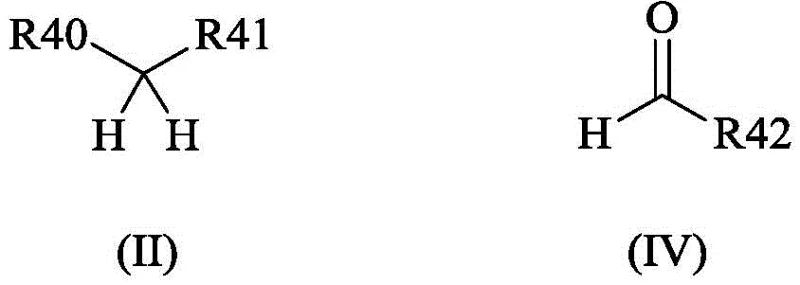
The ability to functionalize compounds of Formula (II) and (IV), as well as various fused ring systems, underscores the versatility of this catalytic system for constructing complex pharmacophores. The mechanism accommodates steric hindrance and electronic variations, allowing for the selective introduction of alkyl chains ranging from simple methyl groups to long-chain perfluoroalkyl groups. This mechanistic flexibility ensures that the process can be adapted for the synthesis of diverse chemical libraries required for drug discovery and development programs.
How to Synthesize Alkylated Compounds Efficiently
The synthesis protocol outlined in the patent provides a robust framework for executing these transformations in both laboratory and pilot plant settings. The procedure typically involves charging the substrate, the alkyl halide, the Co-L1/C catalyst, and a base such as cesium carbonate into a reaction vessel. The reaction can be performed neat (in substance) or in a suitable solvent like acetone or acetonitrile, depending on the physical state of the reactants. For gaseous alkylating agents like trifluoromethyl bromide, the reaction is conducted in a pressurized autoclave to ensure sufficient concentration of the reagent in the reaction phase.
- Prepare the heterogeneous catalyst Co-L1/C by adsorbing a cobalt-phenanthroline complex onto carbon support and heating under inert atmosphere.
- React the substrate (aromatic or heterocyclic compound) with an alkyl halide (preferably bromide) in the presence of the Co-L1/C catalyst and a base like Cs2CO3.
- Isolate the final alkylated product through standard workup procedures including filtration to recover the solid catalyst, followed by chromatography.
Commercial Advantages for Procurement and Supply Chain Teams
Adopting this heterogeneous cobalt-catalyzed process offers tangible strategic advantages for procurement and supply chain management, primarily driven by raw material optimization and operational simplification. The transition from noble metal catalysts to a base metal cobalt system fundamentally alters the cost structure of the manufacturing process. Cobalt is significantly more abundant and less expensive than platinum or palladium, leading to a drastic reduction in catalyst procurement costs. Additionally, the elimination of expensive, custom-synthesized ligands required for homogeneous catalysis further lowers the bill of materials, making the production of fluoroalkylated intermediates more economically sustainable.
- Cost Reduction in Manufacturing: The ability to use alkyl bromides instead of iodides represents a major cost-saving lever. Bromides are generally cheaper to source and produce less hazardous waste, reducing disposal costs. Furthermore, the heterogeneous catalyst can be recovered and potentially reused, extending its lifecycle and amortizing the initial catalyst investment over multiple batches. This contrasts sharply with homogeneous systems where the catalyst is consumed or lost during workup, necessitating fresh charges for every run and driving up variable costs.
- Enhanced Supply Chain Reliability: Relying on commodity chemicals like cobalt salts, phenanthroline, and carbon support mitigates supply risk associated with specialized reagents. The robustness of the catalyst preparation, which uses commercially available carbon blacks like Vulcan XC72R, ensures that the critical catalytic material can be sourced or manufactured reliably. This stability in the supply chain is crucial for maintaining continuous production schedules and meeting delivery commitments for downstream API manufacturers who depend on just-in-time inventory models.
- Scalability and Environmental Compliance: The heterogeneous nature of the reaction simplifies scale-up by removing the need for complex extraction processes to remove metal contaminants. Filtration is a unit operation that scales linearly and predictably, unlike some liquid-liquid extractions that can suffer from emulsion formation or efficiency losses at larger volumes. Moreover, the reduced toxicity and environmental impact of cobalt compared to heavy noble metals, combined with the avoidance of iodine waste, aligns with increasingly stringent green chemistry regulations and corporate sustainability goals, facilitating smoother regulatory approvals and permitting.
Frequently Asked Questions (FAQ)
The following questions address common technical and operational inquiries regarding the implementation of this heterogeneous cobalt catalysis technology. These insights are derived directly from the experimental data and embodiments described in the patent documentation, providing clarity on the practical aspects of adopting this synthetic route for industrial applications.
Q: Why is heterogeneous cobalt catalysis preferred over homogeneous systems for alkylation?
A: Heterogeneous cobalt catalysis eliminates the need for expensive, structurally complex ligands required in homogeneous systems and allows for easy catalyst recovery and reuse, significantly reducing metal contamination in the final product.
Q: Can this process utilize alkyl bromides instead of iodides?
A: Yes, a key advantage of the Co-L1/C catalyst system is its ability to efficiently activate alkyl bromides, which are more cost-effective and generate less problematic waste compared to traditional alkyl iodides.
Q: What types of substrates are compatible with this fluorochloroalkylation method?
A: The process demonstrates broad substrate scope, successfully alkylating various aromatic and heteroaromatic rings, including electron-deficient systems, as well as olefins and acetylenes, under relatively mild conditions.
Partnering with NINGBO INNO PHARMCHEM: Your Reliable Fluoroalkylated Compound Supplier
At NINGBO INNO PHARMCHEM, we recognize the critical importance of efficient, scalable synthetic routes in the development of modern pharmaceuticals and agrochemicals. Our team of expert process chemists has extensively evaluated the heterogeneous cobalt-catalyzed alkylation technology described in CN110944965A and possesses the technical capability to implement this methodology for your specific project needs. We have extensive experience scaling diverse pathways from 100 kgs to 100 MT/annual commercial production, ensuring that the transition from bench-scale discovery to full-scale manufacturing is seamless and compliant with current Good Manufacturing Practices (cGMP).
We invite you to engage with our technical procurement team to discuss how this cost-effective alkylation strategy can be integrated into your supply chain. By leveraging our rigorous QC labs and stringent purity specifications, we can deliver high-purity fluoroalkylated intermediates that meet your exacting standards. Please contact us to request a Customized Cost-Saving Analysis for your target molecules, and allow us to provide specific COA data and route feasibility assessments tailored to your commercial objectives.
Engineering Bottleneck?
Can't scale up this synthesis? Upload your target structure or CAS, and our CDMO team will evaluate the industrial feasibility within 24 hours. Request Evaluation →