
Advanced Catalytic Synthesis of p-Nitrobenzaldehyde for Global Pharmaceutical Supply Chains
Advanced Catalytic Synthesis of p-Nitrobenzaldehyde for Global Pharmaceutical Supply Chains
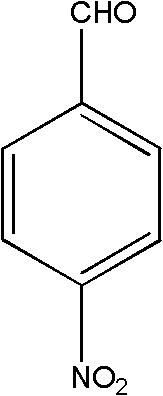
The global demand for high-purity aromatic aldehydes continues to surge, driven by their critical role as building blocks in the synthesis of active pharmaceutical ingredients (APIs) and advanced agrochemicals. Patent CN102126960A introduces a transformative methodology for the production of p-nitrobenzaldehyde, addressing long-standing challenges regarding selectivity, environmental impact, and raw material efficiency. This technical insight report analyzes the proprietary three-step sequence—bromination, hydrolysis, and aerobic oxidation—which replaces hazardous stoichiometric oxidants with catalytic molecular oxygen systems. By leveraging a novel triphenylphosphine-metal salt organic complex, this route achieves a total yield of ≥70% and product purity exceeding 99%, setting a new benchmark for industrial feasibility. For procurement leaders and R&D directors seeking a reliable p-nitrobenzaldehyde supplier, understanding the mechanistic advantages of this patent is crucial for securing a sustainable and cost-effective supply chain.
The Limitations of Conventional Methods vs. The Novel Approach
The Limitations of Conventional Methods
Historically, the industrial preparation of p-nitrobenzaldehyde has been plagued by severe environmental and safety drawbacks inherent to traditional oxidation technologies. Conventional routes often rely on the oxidation of p-nitrotoluene using stoichiometric amounts of chromium trioxide, dichromates, or potassium permanganate. These methods are characterized by poor atom economy and the generation of massive quantities of toxic heavy metal wastewater, posing significant disposal costs and regulatory compliance risks for manufacturers. Furthermore, alternative pathways involving the nitration of benzyl chloride introduce substantial safety hazards due to the lachrymatory nature of the intermediates and the formation of difficult-to-separate byproducts like dibenzyl ether. The harsh reaction conditions required for these legacy processes, including strong acidic media and high temperatures, often lead to equipment corrosion and inconsistent product quality, making them increasingly untenable in a modern, green-chemistry-focused manufacturing landscape.
The Novel Approach
In stark contrast, the methodology outlined in CN102126960A presents a sophisticated, multi-step catalytic strategy that fundamentally reengineers the synthesis pathway for superior outcomes. The process initiates with a highly selective radical bromination of p-nitrotoluene, utilizing a peroxycarbonate catalyst to facilitate the substitution reaction under mild thermal conditions. A key innovation lies in the in-situ recycling of bromine; by employing hydrogen peroxide to oxidize the hydrobromic acid byproduct back into elemental bromine, the system drastically reduces the net consumption of this expensive halogen to merely 0.5-0.6 equivalents of the theoretical amount. Following hydrolysis to the alcohol intermediate, the final oxidation step utilizes molecular oxygen—a cheap and environmentally benign oxidant—catalyzed by a specialized triphenylphosphine-metal complex. This approach not only eliminates the need for toxic chromium reagents but also operates under relatively low pressure and moderate temperatures, ensuring a safer and more controllable production environment suitable for cost reduction in pharmaceutical intermediates manufacturing.
Mechanistic Insights into Triphenylphosphine-Metal Catalyzed Aerobic Oxidation
The core chemical innovation of this patent resides in the final oxidation stage, where p-nitrobenzyl alcohol is converted to the target aldehyde using molecular oxygen. The catalyst system, composed of triphenylphosphine coordinated with metal salts such as bismuth, tin, indium, cobalt, manganese, or palladium, facilitates a highly selective dehydrogenation mechanism. Unlike non-selective radical oxidations that often over-oxidize aldehydes to carboxylic acids, this coordination complex stabilizes the transition state, ensuring that the reaction stops precisely at the aldehyde stage. The reaction proceeds in a dichloroethane solvent at temperatures between 50-90°C and pressures ranging from 5.1×10^5 to 1.0×10^6 Pa. This specific pressure range is critical; it ensures sufficient oxygen solubility in the organic phase to drive the reaction kinetics forward without requiring the extreme pressures that would necessitate prohibitively expensive high-pressure reactor infrastructure. The result is a clean conversion profile that minimizes the formation of p-nitrobenzoic acid and other oxidative degradation products.
Furthermore, the upstream bromination and hydrolysis steps are engineered to support this high-purity outcome through rigorous impurity control mechanisms. The initial radical bromination is mediated by peroxycarbonates, which decompose to generate radicals that selectively abstract benzylic hydrogen atoms, avoiding ring bromination which would create difficult-to-remove isomeric impurities. The subsequent addition of hydrogen peroxide serves a dual purpose: it acts as an oxidant to regenerate bromine from HBr, and it helps maintain a clean reaction matrix by preventing the accumulation of acidic byproducts that could catalyze side reactions during the hydrolysis phase. The hydrolysis itself is conducted using a 25-35% sodium carbonate solution at 80-95°C, conditions optimized to convert the benzyl bromide to the alcohol while keeping the organic and aqueous phases distinct for easy separation. This meticulous control over each unit operation ensures that the feed entering the final oxidation reactor is of exceptional quality, directly contributing to the reported final purity of ≥99%.
How to Synthesize p-Nitrobenzaldehyde Efficiently
The synthesis protocol described in the patent offers a robust framework for scaling production, combining batch operations with efficient workup procedures to maximize throughput. The process begins with the charging of p-nitrotoluene, a peroxycarbonate catalyst, and dichloroethane solvent into a reactor, followed by the controlled dropwise addition of bromine at 40-50°C. Once the bromination is complete and the color fades, hydrogen peroxide is introduced to drive the recycling loop, followed by a heating phase to ensure complete conversion to p-nitrobenzyl bromide. The mixture is then treated with aqueous sodium carbonate for hydrolysis, after which the phases are allowed to separate, yielding an organic layer rich in p-nitrobenzyl alcohol. For the detailed standardized operating procedures, safety parameters, and exact stoichiometric ratios required for GMP-compliant manufacturing, please refer to the technical guide below.
- Perform radical bromination of p-nitrotoluene using peroxycarbonate catalyst and recycled bromine in dichloroethane at 40-60°C.
- Hydrolyze the resulting p-nitrobenzyl bromide with sodium carbonate solution at 80-95°C to form p-nitrobenzyl alcohol.
- Oxidize p-nitrobenzyl alcohol using molecular oxygen and a triphenylphosphine-metal salt complex catalyst at 50-90°C under pressure.
Commercial Advantages for Procurement and Supply Chain Teams
For supply chain executives and procurement managers, the adoption of this patented synthesis route translates into tangible strategic advantages beyond mere technical elegance. The primary value driver is the drastic reduction in raw material volatility exposure; by recycling bromine within the reaction loop, the process decouples production costs from the fluctuating market prices of elemental bromine. Additionally, the substitution of toxic carbon tetrachloride with dichloroethane and the elimination of chromium-based oxidants significantly lowers the environmental compliance burden. This reduction in hazardous waste generation streamlines the disposal process and mitigates the risk of regulatory shutdowns, ensuring a more resilient and continuous supply of high-purity p-nitrobenzaldehyde for downstream customers. The ability to isolate the intermediate p-nitrobenzyl alcohol with high purity also offers flexibility, allowing manufacturers to respond dynamically to market demands for different intermediates within the same production line.
- Cost Reduction in Manufacturing: The economic model of this process is strengthened by the efficient utilization of bromine, which is consumed at only 0.5-0.6 of the theoretical stoichiometric amount due to the oxidative recycling mechanism. This substantial decrease in halogen consumption directly lowers the variable cost of goods sold (COGS), providing a competitive pricing edge in the global market. Furthermore, the use of molecular oxygen as the terminal oxidant replaces expensive and hazardous inorganic oxidants, removing the cost associated with purchasing, handling, and disposing of heavy metal salts. The mild reaction conditions also reduce energy consumption compared to high-temperature fusion or high-pressure oxidation methods, contributing to overall operational expenditure savings without compromising on yield or quality metrics.
- Enhanced Supply Chain Reliability: From a logistics and sourcing perspective, this method relies on readily available commodity chemicals such as p-nitrotoluene, hydrogen peroxide, and sodium carbonate, reducing the risk of supply bottlenecks associated with specialized reagents. The robustness of the catalytic system ensures consistent batch-to-batch reproducibility, which is critical for maintaining long-term contracts with pharmaceutical clients who require strict adherence to quality specifications. By minimizing the formation of tarry byproducts and inorganic sludge, the process also reduces reactor downtime for cleaning and maintenance, thereby increasing the effective capacity of the manufacturing facility and shortening lead times for order fulfillment.
- Scalability and Environmental Compliance: The process is inherently designed for commercial scale-up of complex fine chemicals, utilizing standard stainless steel pressure vessels that are common in fine chemical plants. The avoidance of solid super-strong acids and lachrymatory intermediates simplifies the engineering controls required for operator safety, facilitating easier technology transfer to large-scale production sites. Moreover, the significant reduction in acidic wastewater and heavy metal discharge aligns with increasingly stringent global environmental regulations, future-proofing the supply chain against evolving eco-compliance standards. This green chemistry profile enhances the brand reputation of the supplier and appeals to end-users who are under pressure to reduce the carbon footprint of their own supply chains.
Frequently Asked Questions (FAQ)
The following questions address common technical and commercial inquiries regarding the implementation of this synthesis route. These insights are derived directly from the experimental data and claims presented in patent CN102126960A, providing a transparent view of the technology's capabilities. Understanding these details is essential for technical teams evaluating the feasibility of integrating this intermediate into their broader synthetic sequences.
Q: How does this method improve upon traditional chromic acid oxidation?
A: Unlike traditional methods using toxic chromic acid which generate heavy metal waste, this patent utilizes molecular oxygen and a triphenylphosphine-metal complex, significantly reducing environmental pollution and improving selectivity.
Q: What is the expected purity and yield of the final product?
A: According to patent CN102126960A, the total yield is ≥70% with a product purity exceeding 99%, meeting stringent requirements for pharmaceutical intermediates.
Q: How is bromine consumption optimized in this process?
A: The process employs hydrogen peroxide to oxidize byproduct hydrobromic acid back into molecular bromine, allowing the reaction to proceed with only 0.5-0.6 equivalents of theoretical bromine dosage.
Partnering with NINGBO INNO PHARMCHEM: Your Reliable p-Nitrobenzaldehyde Supplier
At NINGBO INNO PHARMCHEM, we recognize that the transition from laboratory patent to industrial reality requires deep technical expertise and rigorous process engineering. As a leading CDMO partner, we possess extensive experience scaling diverse pathways from 100 kgs to 100 MT/annual commercial production, ensuring that the theoretical benefits of this catalytic oxidation route are fully realized in a GMP-compliant environment. Our facilities are equipped with advanced corrosion-resistant reactors and stringent purity specifications monitoring systems, including rigorous QC labs capable of detecting trace impurities at the ppm level. We are committed to delivering high-purity p-nitrobenzaldehyde that meets the exacting standards of the global pharmaceutical industry, leveraging our mastery of catalytic processes to guarantee supply continuity.
We invite procurement directors and R&D leaders to engage with our technical team to explore how this optimized synthesis route can enhance your project economics. By partnering with us, you gain access to a Customized Cost-Saving Analysis tailored to your specific volume requirements and quality needs. We encourage you to contact our technical procurement team today to request specific COA data, route feasibility assessments, and samples for your validation trials, ensuring a seamless integration of this high-value intermediate into your supply chain.