
Revolutionizing Deuterated Carbazole Production for Advanced OLED and Pharmaceutical Applications
The landscape of advanced organic synthesis is undergoing a significant transformation with the disclosure of patent CN112876406A, which introduces a groundbreaking methodology for the preparation of deuterated carbazole compounds. This technology addresses critical bottlenecks in the manufacturing of high-performance optoelectronic materials and pharmaceutical intermediates by replacing complex, multi-step synthetic routes with a direct, efficient hydrogen-deuterium exchange protocol. For R&D directors and procurement strategists in the fine chemical sector, this innovation represents a pivotal shift towards more sustainable and cost-effective production models. The patent details a robust process that utilizes inexpensive deuterium oxide (heavy water) as the sole deuterium source, coupled with accessible fluoric acid catalysts, thereby circumventing the reliance on prohibitively expensive precious metal catalysts like iridium or platinum that have historically plagued this field. By enabling direct deuteration on the carbazole skeleton under relatively mild thermal conditions, this invention not only simplifies the operational workflow but also drastically enhances the economic viability of producing deuterated analogs for OLED displays and metabolic-stable drugs.
The Limitations of Conventional Methods vs. The Novel Approach
The Limitations of Conventional Methods
Historically, the synthesis of deuterated carbazole derivatives has been hindered by formidable technical and economic barriers that limit their widespread adoption in commercial applications. Traditional methodologies often necessitate the construction of the carbazole ring from deuterated precursors, requiring multiple synthetic steps that accumulate impurities and reduce overall throughput. Alternatively, prior art methods employing direct deuteration frequently rely on sophisticated transition metal catalysts, such as iridium complexes or palladium systems, which are not only exorbitantly priced but also pose significant challenges regarding residual metal removal in final products intended for electronic or pharmaceutical use. Furthermore, existing protocols often demand extreme reaction conditions, with temperatures soaring to approximately 200°C, which can lead to substrate decomposition and poor functional group tolerance. The necessity of using expensive deuterated solvents in these legacy processes further inflates the cost of goods sold, rendering the final deuterated materials economically unfeasible for many large-scale industrial applications where cost sensitivity is paramount.
The Novel Approach
In stark contrast to these cumbersome legacy techniques, the novel approach disclosed in the patent data leverages a streamlined, one-pot strategy that fundamentally redefines the economics of carbazole deuteration. By employing cheap fluorine-containing acids, such as trifluoromethanesulfonic acid or trifluoroacetic acid, as catalysts, the process activates the carbazole ring for electrophilic substitution without the need for precious metals. This method operates effectively at moderate temperatures ranging from 100°C to 120°C, significantly lowering energy consumption and thermal stress on the molecular framework. Crucially, the use of 1,4-dioxane as a solvent instead of costly deuterated reagents, combined with the direct use of deuterium water, creates a highly atom-economical system. This paradigm shift allows for the direct modification of diverse carbazole substrates, including those with sensitive functional groups like esters, halogens, and alkyl chains, thereby expanding the scope of accessible deuterated building blocks for high-value industries.
Mechanistic Insights into Fluoric Acid-Catalyzed H/D Exchange
The core of this technological breakthrough lies in the efficient electrophilic aromatic substitution mechanism facilitated by the strong fluoric acid catalyst. In this system, the fluoric acid acts as a potent proton donor and activator, generating a highly reactive electrophilic deuterium species from the deuterium oxide solvent matrix. This activated deuterium species then attacks the electron-rich positions on the carbazole aromatic rings, specifically targeting the C-H bonds for replacement with C-D bonds. The rigidity of the carbazole skeleton, combined with the specific electronic environment created by the nitrogen atom and substituents, directs the deuteration to occur with high regioselectivity and efficiency. The reaction kinetics are optimized by the specific molar ratios of carbazole to catalyst to deuterium water, ensuring that the equilibrium favors the deuterated product while minimizing side reactions such as polymerization or ring degradation that are common under harsher acidic conditions.
From an impurity control perspective, this mechanism offers distinct advantages for manufacturing high-purity electronic chemicals. The absence of transition metals eliminates the risk of heavy metal contamination, which is a critical quality attribute for OLED materials where trace metals can act as quenching sites and reduce device efficiency. Furthermore, the reaction profile is clean enough that the crude product often requires no column chromatography for purification, a step that is traditionally labor-intensive and solvent-heavy. The workup involves a simple quenching with saturated ammonium chloride followed by extraction with dichloromethane, yielding a product with analytical purity reaching 99%. This high level of purity is essential for maintaining the charge transport properties and luminescence efficiency required in next-generation display technologies.
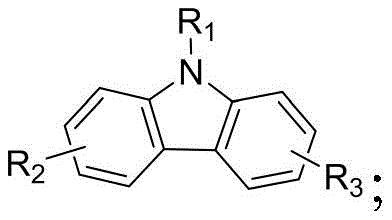
How to Synthesize Deuterated Carbazole Efficiently
The practical implementation of this synthesis route is designed for seamless integration into existing chemical manufacturing infrastructure, requiring standard reactor setups and common laboratory equipment. The process begins with the precise weighing and mixing of the carbazole substrate, the selected fluoric acid catalyst, deuterium oxide, and 1,4-dioxane solvent in a reaction vessel. The mixture is then subjected to controlled heating, maintaining a temperature window between 100°C and 120°C for a duration of 11 to 13 hours to ensure complete conversion. Following the reaction period, the mixture is cooled and quenched to neutralize the acidic catalyst, after which the organic product is isolated through liquid-liquid extraction. This straightforward protocol minimizes operator exposure to hazardous conditions and reduces the complexity of batch record documentation, making it an ideal candidate for technology transfer from lab scale to pilot and commercial production facilities.
- Prepare raw materials including carbazole compound, fluoric acid catalyst (e.g., TfOH), deuterium water, and 1,4-dioxane solvent in specific molar ratios.
- Mix all components in a reactor to form a homogeneous solution and heat the mixture to 100-120°C for 11-13 hours to ensure complete reaction.
- Quench the reaction with saturated ammonium chloride, extract with dichloromethane, and concentrate via rotary evaporation to obtain high-purity deuterated product.
Commercial Advantages for Procurement and Supply Chain Teams
For procurement managers and supply chain leaders, the adoption of this patented synthesis method translates into tangible strategic benefits that extend far beyond simple unit price reductions. The elimination of expensive precious metal catalysts like iridium and platinum removes a major source of supply chain volatility and cost fluctuation associated with the mining and refining of rare earth elements. Additionally, the substitution of costly deuterated solvents with standard 1,4-dioxane and cheap deuterium water dramatically lowers the raw material bill of materials, allowing for significant margin expansion or competitive pricing strategies in the marketplace. The simplified downstream processing, which avoids complex purification steps like column chromatography, reduces solvent consumption and waste generation, aligning with increasingly stringent environmental regulations and sustainability goals mandated by global corporate stakeholders.
- Cost Reduction in Manufacturing: The economic impact of this process is profound, primarily driven by the replacement of high-cost inputs with commodity chemicals. By utilizing trifluoroacetic acid or similar fluoric acids instead of iridium catalysts, manufacturers can achieve substantial cost savings on a per-kilogram basis. The avoidance of expensive deuterated solvents further compounds these savings, as deuterated reagents often carry a premium price tag due to limited global production capacity. Moreover, the high yield and selectivity of the reaction minimize material loss, ensuring that a greater proportion of the starting carbazole is converted into valuable deuterated product, thereby optimizing the overall cost efficiency of the manufacturing operation without compromising on quality standards.
- Enhanced Supply Chain Reliability: Supply chain resilience is significantly bolstered by the reliance on widely available, non-strategic raw materials. Unlike precious metal catalysts, which are subject to geopolitical supply risks and long lead times, fluoric acids and 1,4-dioxane are produced at scale by numerous chemical suppliers globally. This diversification of the supply base reduces the risk of production stoppages due to raw material shortages. Furthermore, the robustness of the reaction conditions allows for flexible scheduling and easier scale-up, enabling suppliers to respond more agilely to fluctuations in market demand from the OLED and pharmaceutical sectors, ensuring consistent delivery performance for downstream customers.
- Scalability and Environmental Compliance: The process is inherently designed for scalability, utilizing standard heating and stirring equipment that is commonplace in fine chemical plants. The mild reaction temperatures reduce the energy load on reactors compared to high-temperature alternatives, contributing to a lower carbon footprint for the manufacturing site. From a waste management perspective, the simplified workup generates less hazardous waste solvent compared to traditional purification methods, facilitating easier compliance with environmental discharge permits. This alignment with green chemistry principles not only mitigates regulatory risk but also enhances the brand reputation of the manufacturer as a sustainable partner in the value chain.
Frequently Asked Questions (FAQ)
The following questions address common technical and commercial inquiries regarding the implementation and benefits of this deuterated carbazole synthesis technology. These insights are derived directly from the experimental data and technical specifications outlined in the patent documentation, providing a clear understanding of the process capabilities and limitations for potential adopters and partners in the industry.
Q: What are the primary advantages of this new deuteration method over conventional iridium-catalyzed routes?
A: Unlike conventional methods requiring expensive iridium or platinum catalysts and harsh temperatures around 200°C, this novel approach utilizes inexpensive fluoric acid catalysts and deuterium water at moderate temperatures (100-120°C), significantly reducing production costs and simplifying the purification process by eliminating the need for column chromatography.
Q: What is the typical yield and deuteration rate achievable with this process?
A: According to the experimental data in patent CN112876406A, the process consistently achieves high yields ranging from 90% to 95.4% and deuteration rates between 91% and 97%, with analytical purity reaching 99% across various substrates like 3,6-di-tert-butylcarbazole and 9-phenylcarbazole.
Q: Is this synthesis method suitable for large-scale industrial manufacturing?
A: Yes, the method is highly suitable for industrial scale-up because it avoids expensive deuterated solvents and precious metal catalysts, uses cheap deuterium water as the deuterium source, and employs a simple workup procedure involving standard extraction and evaporation, which facilitates efficient commercial production.
Partnering with NINGBO INNO PHARMCHEM: Your Reliable Deuterated Carbazole Supplier
As the global demand for high-performance OLED materials and deuterated pharmaceuticals continues to surge, partnering with a technically proficient manufacturer is essential for securing a competitive edge. NINGBO INNO PHARMCHEM stands at the forefront of this evolution, leveraging advanced synthetic methodologies like the one described in CN112876406A to deliver superior chemical solutions. Our team possesses extensive experience scaling diverse pathways from 100 kgs to 100 MT/annual commercial production, ensuring that the transition from laboratory discovery to industrial reality is seamless and efficient. We maintain stringent purity specifications and operate rigorous QC labs equipped with state-of-the-art analytical instrumentation to guarantee that every batch of deuterated carbazole meets the exacting standards required for electronic and medical applications.
We invite R&D directors and procurement executives to engage with our technical procurement team to discuss how this innovative synthesis route can be tailored to your specific project needs. By collaborating with us, you gain access to a Customized Cost-Saving Analysis that quantifies the potential economic benefits of switching to this efficient manufacturing process. We encourage you to request specific COA data and route feasibility assessments to validate the performance of our deuterated intermediates in your final formulations, ensuring a partnership built on transparency, quality, and mutual success.