
Advanced Continuous Flow Synthesis of P-Acetamido Benzene Sulfonyl Chloride for Global Pharma Supply Chains
Advanced Continuous Flow Synthesis of P-Acetamido Benzene Sulfonyl Chloride for Global Pharma Supply Chains
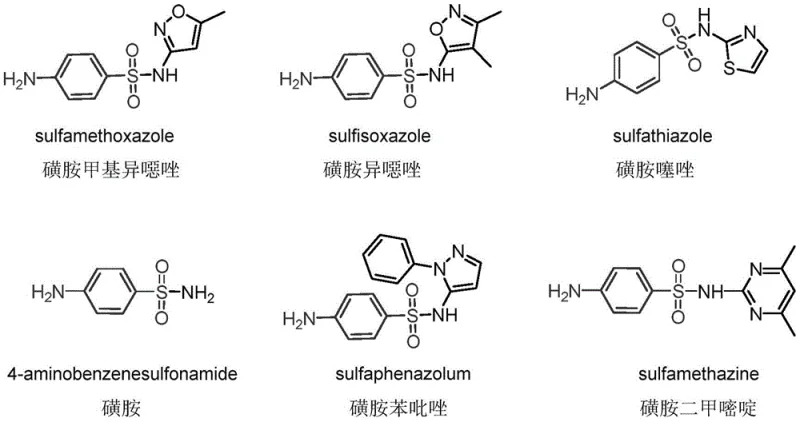
The pharmaceutical and fine chemical industries are currently witnessing a paradigm shift towards continuous manufacturing technologies, driven by the urgent need for enhanced safety profiles and superior process control. Patent CN111039829A introduces a groundbreaking two-temperature zone two-stage method based on continuous flow reaction for the production of p-acetamido benzene sulfonyl chloride, a critical intermediate in the synthesis of various sulfonamide antibiotics and agrochemical agents. This innovative approach leverages the intrinsic safety and high-efficiency mass transfer characteristics of microchannel reactors to overcome the longstanding limitations of traditional batch chlorosulfonation. By precisely segregating the reaction into a low-temperature sulfonation zone and a high-temperature chlorination zone, the technology ensures exceptional selectivity while mitigating the severe thermal hazards associated with chlorosulfonic acid. For global procurement leaders and R&D directors, this patent represents not merely a laboratory curiosity but a viable, scalable solution for securing high-purity supply chains in an increasingly regulated environment.
The Limitations of Conventional Methods vs. The Novel Approach
The Limitations of Conventional Methods
Traditional batch production of p-acetamido benzene sulfonyl chloride has historically been plagued by significant operational hazards and inconsistent product quality due to the highly exothermic nature of the chlorosulfonation reaction. In conventional tank reactors, the poor solubility of acetanilide in chlorosulfonic acid often leads to viscous solid-liquid mixing conditions that are difficult to stir and even harder to control thermally. This lack of efficient heat dissipation frequently results in localized hot spots that promote the formation of undesirable ortho-sulfonated byproducts and brown oily impurities, drastically reducing the overall yield and complicating downstream purification efforts. Furthermore, the necessity of using large excesses of chlorosulfonic acid in batch processes to drive the reaction to completion generates substantial quantities of waste acid, creating severe environmental burdens and escalating wastewater treatment costs for manufacturing facilities. The manual handling of these corrosive reagents in open or semi-open batch systems also exposes personnel to significant safety risks from hydrochloric acid gas leakage and potential thermal runaway incidents.
The Novel Approach
The novel continuous flow methodology described in the patent fundamentally reengineers the reaction landscape by utilizing a silicon carbide microchannel reactor system capable of heat and mass transfer rates hundreds of times superior to conventional kettle reactors. This advanced setup allows for the precise manipulation of reaction parameters, specifically enabling a two-stage temperature profile where the initial sulfonation occurs at a controlled low temperature of 10-40°C to maximize para-selectivity. The reaction mixture is then seamlessly transferred to a second zone maintained at 60-100°C, facilitating the subsequent chlorination step without the accumulation of unreacted intermediates or thermal degradation products. By replacing the massive inventory of reactive chemicals in a batch tank with a tiny, flowing volume within the microchannels, the system achieves intrinsic safety, effectively eliminating the possibility of catastrophic thermal runaway even when using highly reactive chlorosulfonic acid. This transition from batch to continuous processing not only enhances product purity to levels exceeding 98% but also drastically reduces the environmental footprint by minimizing reagent excess and solvent usage.
Mechanistic Insights into Two-Temperature Zone Chlorosulfonation
The core chemical innovation lies in the kinetic separation of the sulfonation and chlorination events through precise thermal zoning within the microchannel architecture. In the first reactor zone, acetanilide dissolved in an inert halogen-containing solvent such as 1,2-dichloroethane reacts with a stoichiometric amount of chlorosulfonic acid at mild temperatures to form p-acetamido benzene sulfonic acid. The high surface-to-volume ratio of the microchannels ensures instantaneous mixing and rapid heat removal, preventing the local temperature spikes that typically drive the formation of ortho-isomers in bulk solutions. This controlled environment allows the reaction to proceed with high regioselectivity, ensuring that the sulfonic acid group is installed exclusively at the para-position relative to the acetamido group, which is critical for the biological activity of downstream sulfonamide drugs.
Following the initial sulfonation, the reaction stream enters the second temperature zone where additional chlorosulfonic acid is introduced at elevated temperatures between 60-100°C to convert the sulfonic acid intermediate into the final sulfonyl chloride. The elevated temperature in this second stage provides the necessary activation energy for the chlorination step while the continuous flow regime ensures that the residence time is strictly limited to prevent decomposition of the sensitive sulfonyl chloride product. The use of a back-pressure valve maintaining 1-5 atmospheric pressure further stabilizes the reaction system by keeping volatile components in the liquid phase and suppressing the evolution of HCl gas bubbles that could disrupt flow stability. This mechanistic precision results in a crude product with purity levels reaching up to 99.2% and yields approaching 98%, significantly outperforming the 85-93% yields typical of optimized batch processes while virtually eliminating the need for complex recrystallization steps.
How to Synthesize P-Acetamido Benzene Sulfonyl Chloride Efficiently
Implementing this continuous flow synthesis requires a systematic approach to reagent preparation and pump calibration to ensure the precise molar ratios and residence times dictated by the patent specifications. Operators must first dissolve acetanilide in an inert solvent like 1,2-dichloroethane at a weight-to-volume ratio of approximately 1:6 to 1:8 to ensure complete solubility and smooth pumping. Simultaneously, chlorosulfonic acid must be diluted in the same solvent system to reduce viscosity and allow for accurate metering by high-precision pumps into the microchannel reactor inlet. The detailed standardized synthesis steps involving specific flow rates, temperature ramping profiles, and quenching procedures are outlined in the technical guide below to ensure reproducible results across different production scales.
- Dissolve acetanilide in an inert halogen-containing solvent such as 1,2-dichloroethane and prepare a diluted chlorosulfonic acid solution in the same solvent system.
- Pump both solutions into the first microchannel reactor zone maintained at 10-40°C to facilitate selective para-sulfonation with precise residence time control.
- Transfer the effluent to the second reactor zone heated to 60-100°C with additional chlorosulfonic acid to complete the conversion to sulfonyl chloride, followed by back-pressure regulation and quenching.
Commercial Advantages for Procurement and Supply Chain Teams
For procurement managers and supply chain directors, the adoption of this continuous flow technology translates into tangible strategic advantages regarding cost stability and supply reliability. The intrinsic safety of the microchannel reactor system significantly lowers the insurance premiums and regulatory compliance costs associated with storing and handling large quantities of hazardous chlorosulfonic acid, thereby reducing the overall overhead of chemical manufacturing operations. By eliminating the need for excessive reagent usage and complex wastewater treatment protocols required to neutralize large volumes of spent acid, the process offers substantial cost savings in raw material consumption and environmental management. Furthermore, the continuous nature of the production line ensures a steady, uninterrupted output of high-purity intermediates, shielding downstream pharmaceutical manufacturers from the volatility and batch-to-batch inconsistencies that often plague traditional chemical supply chains.
- Cost Reduction in Manufacturing: The elimination of expensive transition metal catalysts and the drastic reduction in solvent and reagent waste directly contribute to a leaner cost structure for fine chemical manufacturing. By optimizing the stoichiometry through precise flow control, the process avoids the financial burden of purchasing and disposing of large excesses of chlorosulfonic acid, leading to significant operational expenditure reductions. Additionally, the high selectivity of the reaction minimizes the loss of valuable starting materials to byproduct formation, ensuring that a greater proportion of input costs are converted into saleable high-purity product. This efficiency gain allows suppliers to offer more competitive pricing models without compromising on margin, providing a distinct economic advantage in the global marketplace.
- Enhanced Supply Chain Reliability: Continuous flow manufacturing inherently supports a just-in-time production model that reduces the need for large inventory buffers of hazardous intermediates. The ability to ramp production up or down by simply adjusting run times or numbering up reactor units provides unparalleled flexibility in responding to fluctuating market demand without the long lead times associated with batch campaign scheduling. This agility ensures that pharmaceutical clients can maintain consistent production schedules for their final drug products, mitigating the risk of stockouts caused by supply chain disruptions or quality failures in upstream intermediate synthesis. The robustness of the closed system also protects the reaction from external environmental variables, guaranteeing consistent quality regardless of seasonal changes or facility conditions.
- Scalability and Environmental Compliance: The modular design of microchannel reactor systems allows for seamless scale-up from laboratory gram quantities to multi-ton annual commercial production without the need for extensive process re-validation. This scalability is crucial for meeting the growing global demand for sulfonamide intermediates while adhering to increasingly stringent environmental regulations regarding waste discharge and emissions. The reduced solvent usage and minimized waste acid generation align perfectly with green chemistry principles, enhancing the corporate sustainability profile of manufacturers and facilitating easier permitting in regulated jurisdictions. This future-proofing of the manufacturing process ensures long-term viability and compliance with evolving global standards for chemical production.
Frequently Asked Questions (FAQ)
The following questions address common technical and commercial inquiries regarding the implementation and benefits of this continuous flow chlorosulfonation technology. These insights are derived directly from the patent data and practical engineering considerations to assist decision-makers in evaluating the feasibility of adopting this advanced manufacturing route. Understanding these key aspects is essential for R&D teams planning process transfers and procurement officers negotiating long-term supply agreements.
Q: How does the two-temperature zone method improve selectivity compared to batch processing?
A: By separating the sulfonation and chlorination steps into distinct temperature zones (10-40°C and 60-100°C), the process minimizes ortho-sulfonated byproducts and prevents thermal degradation common in exothermic batch reactions.
Q: What safety advantages does the microchannel reactor offer for chlorosulfonation?
A: The microchannel reactor drastically reduces the active reaction volume at any given time, effectively eliminating the risk of thermal runaway and managing the release of HCl gas inherent to chlorosulfonic acid reactions.
Q: Can this continuous flow process be scaled for industrial tonnage production?
A: Yes, the continuous nature of the flow chemistry allows for linear scale-up by increasing run time or numbering up reactor units, ensuring consistent quality from kilogram to multi-ton scales without re-optimization.
Partnering with NINGBO INNO PHARMCHEM: Your Reliable P-Acetamido Benzene Sulfonyl Chloride Supplier
At NINGBO INNO PHARMCHEM, we recognize that the transition to continuous flow chemistry represents the future of sustainable and efficient pharmaceutical intermediate manufacturing. As a dedicated CDMO partner, we possess extensive experience scaling diverse pathways from 100 kgs to 100 MT/annual commercial production, ensuring that the theoretical benefits of patent CN111039829A are fully realized in industrial practice. Our state-of-the-art facilities are equipped with rigorous QC labs and stringent purity specifications to guarantee that every batch of p-acetamido benzene sulfonyl chloride meets the exacting standards required for global API synthesis. We are committed to delivering not just a chemical product, but a reliable supply solution that enhances your operational efficiency and product quality.
We invite forward-thinking pharmaceutical companies to collaborate with us on optimizing their supply chains through this advanced technology. Contact our technical procurement team today to request a Customized Cost-Saving Analysis tailored to your specific volume requirements. We are prepared to provide specific COA data and comprehensive route feasibility assessments to demonstrate how our continuous flow capabilities can reduce your lead time for high-purity intermediates and secure your production pipeline against future market volatility.
Engineering Bottleneck?
Can't scale up this synthesis? Upload your target structure or CAS, and our CDMO team will evaluate the industrial feasibility within 24 hours. Request Evaluation →