
Revolutionizing Pulp Bleaching Chemistry with Advanced Lanthanide-Catalyzed Chelating Agent Mixtures
The global demand for efficient and environmentally sustainable pulp bleaching processes has driven significant innovation in the field of metal chelation technology. Patent CN110891931B introduces a groundbreaking method for the in situ preparation of chelating agent mixtures, specifically targeting the removal of transition metal ions such as iron and manganese that catalyze peroxide decomposition. This technology leverages the unique properties of lanthanide catalysts to facilitate the reaction between diethanolamine derivatives, maleic acid, and 2-halocarboxylic acids, resulting in a highly effective mixture of succinic acid derivatives. For industrial manufacturers, this represents a paradigm shift from traditional slow and incomplete synthesis routes to a rapid, high-conversion process that aligns with modern green chemistry principles. The ability to generate these complex ligands in situ not only streamlines production but also ensures a tailored composition optimized for specific bleaching liquor conditions. As the industry moves towards stricter environmental regulations, adopting such advanced catalytic methodologies becomes essential for maintaining competitiveness and operational excellence.
The Limitations of Conventional Methods vs. The Novel Approach
The Limitations of Conventional Methods
Historically, the synthesis of amino-polycarboxylic acid chelators, such as N-bis-[(1,2-dicarboxy-ethoxy)-ethyl]-aspartic acid (AES), has been plagued by significant kinetic and thermodynamic inefficiencies that hinder large-scale adoption. Traditional methods often rely on non-catalytic conditions or less effective catalysts like nickel or alkaline earth metals, leading to reaction times that can extend from 12 to 16 hours without reaching completion. A critical drawback of these legacy processes is the poor conversion rate, typically achieving only 60 to 70 percent transformation of the starting diethanolamine into the desired product. This inefficiency leaves a substantial amount of unreacted diethanolamine, sometimes up to 40 mol-percent, in the final mixture, which poses serious safety and quality concerns due to the potential formation of toxic nitrosamines. Furthermore, the incomplete reaction necessitates complex downstream purification steps to remove residual starting materials, thereby increasing both capital expenditure and operational costs for chemical manufacturers. The inability to fully convert hydroxyl groups into carboxylic functionalities also limits the metal-binding capacity of the final product, reducing its efficacy in demanding applications like pulp bleaching.
The Novel Approach
In stark contrast, the novel approach detailed in the patent utilizes lanthanide catalysts to drive the reaction to near-completion with remarkable speed and selectivity. By employing lanthanide elements such as lanthanum, praseodymium, or neodymium, the process facilitates both the Michael addition of maleic acid and the subsequent alkylation with 2-halocarboxylic acids under mild alkaline conditions. This catalytic system effectively activates the hydroxyl groups of the diethanolamine backbone, allowing for the efficient formation of succinic acid derivatives like GES5 and GES4 within a fraction of the time required by conventional methods. The result is a chelating agent mixture that is substantially free of hazardous unreacted amines, ensuring a safer product profile for end-users in the paper industry. Moreover, the in situ generation of the mixture allows for precise tuning of the ligand composition, optimizing the balance between different chelating species to maximize metal sequestration performance. This technological leap not only enhances product quality but also simplifies the manufacturing workflow, making it an attractive solution for reliable chelating agent suppliers seeking to optimize their production lines.
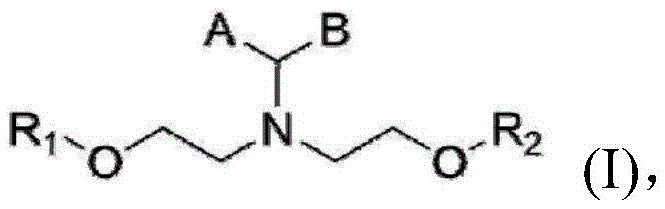
Mechanistic Insights into Lanthanide-Catalyzed Sequential Addition
The core of this innovative synthesis lies in the dual catalytic role played by lanthanide ions, which orchestrate two distinct chemical transformations within a single reaction vessel to build the complex chelating architecture. Initially, the lanthanide catalyst promotes the Michael addition reaction between the hydroxyl groups of bis-(2-hydroxyethyl)glycine and maleic acid, forming the succinic acid backbone characteristic of high-performance chelators. Unlike traditional catalysts, lanthanides possess a high affinity for oxygen donors, which allows them to coordinate with the hydroxyl groups and activate them towards nucleophilic attack on the double bond of the maleate. This coordination lowers the activation energy of the reaction, enabling the process to proceed rapidly even at moderate temperatures, thereby preventing the thermal degradation of sensitive functional groups. The mechanism ensures that the steric hindrance typically associated with diethanolamine derivatives is overcome, allowing for the substitution of multiple hydroxyl groups to create poly-carboxylated structures with high denticity. This precise control over the reaction pathway is crucial for generating the specific mixture of GES5 and intermediate species required for optimal metal binding.
Following the initial addition, the mechanism extends to the alkylation of any remaining unreacted hydroxyl groups using 2-halocarboxylic acids, a step that is notoriously difficult without catalytic assistance. In the absence of the lanthanide catalyst, the alkylation of these sterically hindered hydroxyl groups is sluggish and often fails to proceed to completion, leaving the chelator with reduced capacity. However, the presence of the lanthanide species facilitates the displacement of the halide ion, effectively converting the residual hydroxyls into carboxymethyl or carboxyethyl groups. This secondary transformation is vital for maximizing the yield of the fully substituted GES5 and the partially substituted GES4, both of which contribute to the overall metal complexing ability of the mixture. By driving this second reaction to completion, the process minimizes the presence of partially reacted intermediates that could act as impurities, thus enhancing the purity profile of the final commercial product. This mechanistic understanding underscores the value of the technology for R&D teams focused on developing high-purity specialty chemicals with consistent performance metrics.
How to Synthesize Chelating Agent Mixture Efficiently
The practical implementation of this synthesis route involves a carefully controlled sequence of reagent additions and temperature adjustments to maximize the efficiency of the lanthanide catalyst. Operators must first prepare the diethanolamine derivative precursor, typically by reacting diethanolamine with a 2-haloacetic acid, before introducing the maleic acid component under alkaline conditions. The maintenance of specific pH levels and temperature ranges is critical to ensure the catalyst remains active and soluble throughout the reaction cycle, preventing premature precipitation that could halt the process. Detailed standard operating procedures regarding the molar ratios of lanthanide catalyst to substrate are essential to achieve the reported high conversion rates while minimizing catalyst loading costs. For a comprehensive breakdown of the exact experimental parameters and safety protocols, please refer to the standardized synthesis steps provided below.
- React diethanolamine with 2-halocarboxylic acid to form bis-(2-hydroxyethyl)glycine derivatives.
- Perform lanthanide-catalyzed Michael addition with maleic acid under alkaline conditions to form succinic acid derivatives.
- Add 2-halocarboxylic acid to alkylate remaining hydroxyl groups, completing the chelating agent mixture formation.
Commercial Advantages for Procurement and Supply Chain Teams
For procurement managers and supply chain directors, the adoption of this lanthanide-catalyzed technology offers profound strategic benefits that extend far beyond simple chemical performance metrics. The elimination of prolonged reaction times directly translates to increased reactor throughput, allowing manufacturing facilities to produce significantly larger volumes of chelating agents within the same operational timeframe without requiring additional capital investment in equipment. This enhancement in production velocity creates a more resilient supply chain capable of responding rapidly to fluctuations in market demand from the pulp and paper sector. Furthermore, the drastic improvement in conversion efficiency means that raw material utilization is optimized, reducing the volume of wasted starting materials and lowering the overall cost of goods sold. By minimizing the presence of unreacted diethanolamine, manufacturers also reduce the regulatory burden and costs associated with handling and disposing of hazardous amine residues, contributing to a cleaner and more sustainable operational footprint.
- Cost Reduction in Manufacturing: The implementation of this catalytic system drives substantial cost savings by eliminating the need for expensive and time-consuming purification steps required to remove unreacted amines from the final product. Since the reaction proceeds to near-completion, the yield of valuable chelating agents per batch is maximized, effectively spreading fixed operational costs over a larger quantity of saleable product. Additionally, the ability to use chlorine-containing starting materials, which are generally cheaper and more readily available than bromine analogs, further reduces the raw material input costs without compromising product quality. The reduction in energy consumption due to shorter reaction times and lower temperature requirements also contributes to a leaner manufacturing cost structure, enhancing overall profit margins for producers of fine chemical intermediates.
- Enhanced Supply Chain Reliability: Sourcing high-quality chelating agents is often complicated by the inconsistent quality of products derived from older, less efficient synthesis methods, but this new technology ensures a consistent and reliable supply of specification-grade material. The robustness of the lanthanide-catalyzed process against variations in raw material quality means that production schedules are less likely to be disrupted by off-spec batches, guaranteeing on-time delivery to downstream customers. Moreover, the use of widely available commodity chemicals like maleic acid and chloroacetic acid reduces dependency on niche or volatile raw material markets, stabilizing the supply chain against external shocks. This reliability is critical for long-term contracts with major pulp mills that require uninterrupted access to bleaching chemicals to maintain their own production continuity.
- Scalability and Environmental Compliance: The process is inherently scalable, having been designed to function effectively in large-scale industrial reactors without the mass transfer limitations often seen in heterogeneous catalytic systems. From an environmental perspective, the resulting chelating agents are biodegradable, addressing growing regulatory pressures to replace persistent chelators like EDTA and DTPA in industrial applications. The high conversion rate also minimizes the generation of chemical waste, simplifying wastewater treatment processes and reducing the environmental impact of the manufacturing facility. This alignment with green chemistry principles not only future-proofs the supply against tightening environmental regulations but also enhances the brand reputation of companies positioning themselves as sustainable partners in the value chain.
Frequently Asked Questions (FAQ)
The following questions address common technical and commercial inquiries regarding the production and application of these advanced chelating agent mixtures. Understanding the nuances of the catalytic mechanism and the composition of the final product is essential for stakeholders evaluating this technology for integration into their existing supply chains. These answers are derived directly from the technical disclosures and experimental data provided in the patent documentation to ensure accuracy and relevance.
Q: What are the primary advantages of using lanthanide catalysts in chelating agent synthesis?
A: Lanthanide catalysts significantly accelerate reaction rates, reducing processing time from over 12 hours to approximately 1 hour in comparable systems, and ensure near-complete conversion of starting materials, minimizing hazardous impurities like unreacted diethanolamine.
Q: Why is a mixture of chelating agents preferred over a single compound for pulp bleaching?
A: A mixture containing compounds like GES5 and GES4 offers superior metal complexing ability across a broader range of metal ions, specifically targeting iron and manganese while managing calcium interference more effectively than单一 agents.
Q: How does this synthesis method improve environmental compliance?
A: The resulting diethanolamine-derived polycarboxylic acids are inherently biodegradable, offering a sustainable alternative to persistent chelators like EDTA and DTPA, while the high conversion rate reduces waste disposal burdens.
Partnering with NINGBO INNO PHARMCHEM: Your Reliable Chelating Agent Mixture Supplier
At NINGBO INNO PHARMCHEM, we recognize the transformative potential of lanthanide-catalyzed synthesis in delivering next-generation solutions for the pulp and paper industry. As a premier CDMO partner, we possess extensive experience scaling diverse pathways from 100 kgs to 100 MT/annual commercial production, ensuring that innovative laboratory processes are seamlessly translated into robust industrial realities. Our state-of-the-art facilities are equipped with rigorous QC labs and advanced analytical instrumentation to guarantee stringent purity specifications for every batch of chelating agent mixture we produce. We understand that consistency is key in chemical manufacturing, and our dedicated technical team works closely with clients to validate process parameters and optimize yields for maximum commercial viability.
We invite you to collaborate with us to leverage this cutting-edge technology for your specific application needs. Contact our technical procurement team today to request a Customized Cost-Saving Analysis tailored to your current production volumes and requirements. We are prepared to provide specific COA data and comprehensive route feasibility assessments to demonstrate how our advanced manufacturing capabilities can enhance your supply chain efficiency and product performance.