
Scalable Synthesis of DL-Neopentyl Glycine Intermediates for High-Purity Pharmaceutical Applications
The landscape of amino acid intermediate manufacturing is undergoing a significant transformation driven by the need for higher purity and more sustainable synthetic routes. A pivotal development in this sector is documented in patent CN111072507A, which outlines a robust preparation method for DL-neopentyl glycine intermediates and their derivatives. This technology represents a strategic leap forward for pharmaceutical manufacturers seeking reliable sources of chiral building blocks. By utilizing glycylglycine as a foundational starting material, the process circumvents many of the environmental and efficiency pitfalls associated with traditional amino acid synthesis. The methodology integrates a sequence of acetylation, condensation, hydrolysis, oximation, and reduction reactions, culminating in an enzymatic resolution that delivers both D-neopentyl glycine and L-neopentyl glycine with exceptional fidelity. For R&D directors and procurement specialists, understanding the nuances of this pathway is critical for securing a competitive edge in the supply of high-value fine chemicals.
The Limitations of Conventional Methods vs. The Novel Approach
The Limitations of Conventional Methods
Historically, the production of neopentyl glycine derivatives has been plagued by significant technical hurdles that impact both cost and quality. Traditional synthetic routes often rely on complex multi-step sequences that suffer from low overall yields and generate substantial amounts of hazardous waste. Many conventional methods require harsh reaction conditions, including extreme temperatures and pressures, which not only increase energy consumption but also pose safety risks in a commercial plant setting. Furthermore, the purification of intermediates in older processes frequently necessitates repeated recrystallization or chromatographic separation, leading to material loss and extended production cycles. The presence of difficult-to-remove impurities often compromises the final product's suitability for sensitive pharmaceutical applications, forcing manufacturers to accept lower specifications or incur prohibitive costs for additional refining steps.
The Novel Approach
In stark contrast, the novel approach detailed in the referenced patent introduces a streamlined workflow that addresses these legacy inefficiencies head-on. By initiating the synthesis with glycylglycine and employing a controlled acetylation followed by a phase-transfer catalyzed condensation with pivalaldehyde, the process ensures a more thorough reaction progression. The use of tetrabutylammonium bromide as a phase transfer catalyst in DMF facilitates the condensation step at ambient temperatures, significantly reducing energy inputs compared to high-heat alternatives. Subsequent hydrolysis and oximation steps are optimized to proceed rapidly, minimizing the residence time of reactive intermediates and reducing the formation of side products. This cohesive strategy results in a final product with purity levels exceeding 99%, effectively removing the bottleneck of secondary refinement and enabling a more direct path from raw materials to market-ready intermediates.
Mechanistic Insights into Glycylglycine-Based Condensation and Resolution
The core of this synthetic innovation lies in the precise orchestration of the condensation and resolution mechanisms. The initial acetylation protects the amine functionalities, allowing for selective reactivity at the desired positions during the subsequent condensation with pivalaldehyde. This step is critical for establishing the neopentyl backbone, and the use of potassium carbonate as a base ensures deprotonation without inducing unwanted degradation of the sensitive peptide bond. Following the formation of the neopentyl diacetylated intermediate, the hydrolysis step cleaves the acetyl groups under acidic conditions to reveal the beta-keto acid structure. This intermediate is then subjected to oximation, where hydroxylamine hydrochloride reacts with the ketone moiety to form an oxime, setting the stage for the final reduction.
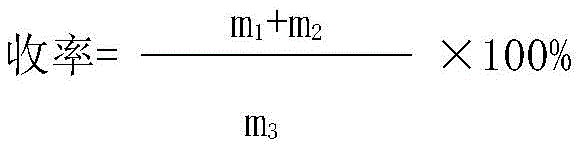
The reduction of the oxime intermediate using zinc powder in hydrochloric acid is a classic yet highly effective transformation that converts the nitrogen-oxygen double bond into the primary amine found in the final glycine derivative. What truly distinguishes this process, however, is the downstream enzymatic resolution. Instead of relying on costly chiral chromatography or classical chemical resolution with resolving agents, the method employs D-aminoacylase. This biocatalyst exhibits high stereoselectivity at mild physiological temperatures (around 37°C), specifically hydrolyzing the N-acetyl group of the D-isomer while leaving the L-isomer intact. This biological specificity allows for the clean separation of enantiomers, ensuring that both the D-neopentyl glycine and the recovered L-neopentyl glycine meet stringent purity specifications required for API synthesis.
How to Synthesize DL-Neopentyl Glycine Efficiently
Implementing this synthesis route requires careful attention to reaction parameters, particularly temperature control during the acetylation and hydrolysis phases. The process begins with the reflux of glycylglycine in acetic anhydride, where maintaining the temperature between 120°C and 140°C is essential for complete conversion to the diacetylated intermediate. Operators must ensure thorough mixing during the addition of petroleum ether for crystallization to maximize recovery. The subsequent condensation with pivalaldehyde should be monitored closely to prevent exothermic runaway, although the reaction is designed to proceed safely at room temperature. For a comprehensive breakdown of the standardized operating procedures, including specific mass ratios and stirring times, please refer to the technical guide below.
- Perform acetylation of glycylglycine with acetic anhydride at reflux temperatures (120-140°C) to obtain diacetylated glycylglycine.
- Conduct condensation reaction with pivalaldehyde using potassium carbonate and tetrabutylammonium bromide in DMF at room temperature.
- Execute hydrolysis with HCl solution at 95-115°C to form the beta-keto acid intermediate, followed by oximation and zinc powder reduction.
Commercial Advantages for Procurement and Supply Chain Teams
For procurement managers and supply chain heads, the adoption of this synthesis methodology offers tangible benefits that extend beyond mere technical feasibility. The primary advantage lies in the significant simplification of the supply chain for raw materials. By utilizing glycylglycine, acetic anhydride, and pivalaldehyde, the process relies on commodity chemicals that are widely available and subject to stable pricing dynamics, unlike exotic catalysts or specialized chiral auxiliaries that can create supply bottlenecks. This reliance on bulk chemicals mitigates the risk of production stoppages due to raw material shortages, ensuring a more consistent flow of intermediates to downstream manufacturing sites. Additionally, the elimination of complex purification steps translates directly into reduced operational overhead.
- Cost Reduction in Manufacturing: The economic viability of this process is driven by the high atom economy and the avoidance of expensive purification technologies. By achieving purity levels greater than 99% directly from the crystallization steps, the need for resource-intensive chromatography or multiple recrystallizations is obviated. This reduction in processing time and solvent consumption leads to substantial cost savings in utility bills and waste disposal fees. Furthermore, the use of zinc powder as a reducing agent is far more cost-effective than noble metal catalysts, and its removal is straightforward, preventing contamination that could otherwise degrade product value.
- Enhanced Supply Chain Reliability: The robustness of the reaction conditions contributes to a more predictable production schedule. The tolerance of the condensation step to ambient temperatures reduces the dependency on specialized heating or cooling infrastructure, allowing for flexible manufacturing in various facility types. The enzymatic resolution step, operating at mild conditions, further enhances equipment longevity and reduces maintenance downtime. This reliability ensures that delivery timelines for high-purity amino acid intermediates can be met consistently, supporting the just-in-time manufacturing models employed by many modern pharmaceutical companies.
- Scalability and Environmental Compliance: From an environmental perspective, the process is designed to minimize the generation of hazardous byproducts. The aqueous workups and the ability to recover hydrochloric acid during the hydrolysis of the L-isomer demonstrate a commitment to green chemistry principles. The scalability is evidenced by the straightforward nature of the unit operations—filtration, drying, and crystallization—which are easily transferred from pilot scale to multi-ton commercial production. This ease of scale-up reduces the capital expenditure required for facility expansion and ensures compliance with increasingly stringent environmental regulations regarding solvent emissions and heavy metal discharge.
Frequently Asked Questions (FAQ)
The following questions address common technical inquiries regarding the implementation and optimization of this neopentyl glycine synthesis pathway. These insights are derived directly from the experimental data and process descriptions found in the underlying intellectual property. Understanding these details is crucial for technical teams evaluating the feasibility of integrating this route into their existing production portfolios. The answers provided reflect the specific conditions and outcomes reported in the patent literature.
Q: What is the purity level achievable with this neopentyl glycine synthesis method?
A: According to patent CN111072507A, the described method achieves a product purity exceeding 99% as verified by HPLC and NMR analysis, eliminating the need for secondary refinement processes.
Q: How does the enzymatic resolution step improve the process efficiency?
A: The process utilizes D-aminoacylase for specific resolution at mild conditions (37°C), allowing for the efficient separation of D-neopentyl glycine while recovering the L-isomer from the mother liquor, maximizing overall atom economy.
Q: Is this synthesis route suitable for large-scale industrial production?
A: Yes, the method is designed for industrial scalability, utilizing common reagents like glycylglycine and acetic anhydride, and avoiding complex purification steps that typically hinder mass production.
Partnering with NINGBO INNO PHARMCHEM: Your Reliable DL-Neopentyl Glycine Supplier
At NINGBO INNO PHARMCHEM, we recognize the critical role that high-quality intermediates play in the success of your drug development programs. Our team possesses extensive experience scaling diverse pathways from 100 kgs to 100 MT/annual commercial production, ensuring that the transition from laboratory bench to industrial reactor is seamless. We adhere to stringent purity specifications and operate rigorous QC labs equipped with advanced analytical instrumentation to verify the identity and quality of every batch. Our commitment to excellence means that we can deliver DL-neopentyl glycine and its derivatives with the consistency and reliability that global pharmaceutical partners demand.
We invite you to engage with our technical procurement team to discuss how this advanced synthesis route can be tailored to your specific project needs. By requesting a Customized Cost-Saving Analysis, you can gain a deeper understanding of the economic benefits of switching to this efficient manufacturing method. We encourage potential partners to contact us for specific COA data and route feasibility assessments, allowing you to make informed decisions that optimize both your supply chain resilience and your bottom line.