
Industrial Scale Purification of Low-Metal Cyclic Compounds for Next-Generation Lithography
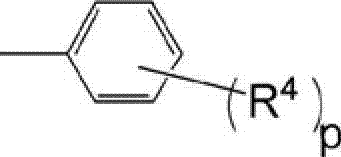
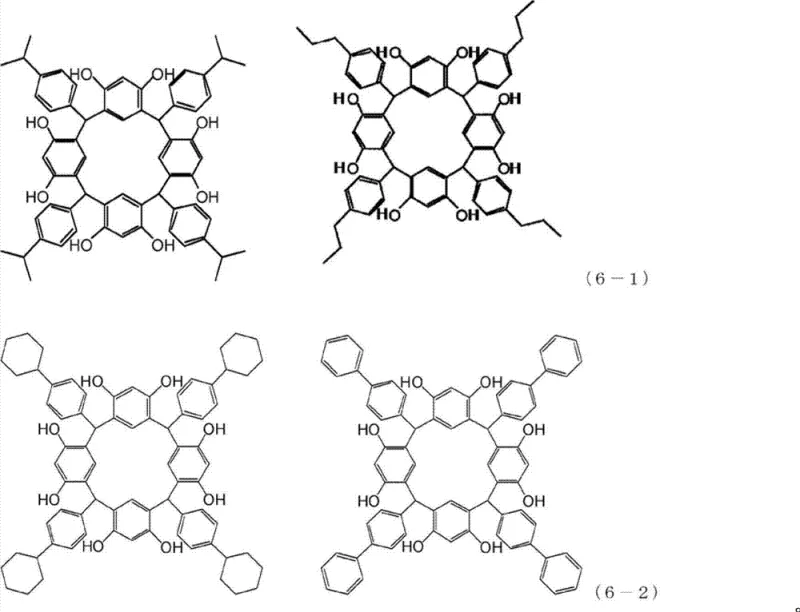
The semiconductor industry continuously demands materials with ultra-low metal contamination to ensure the reliability and yield of integrated circuits. Patent CN102971281A introduces a groundbreaking purification methodology specifically designed for cyclic compounds utilized in advanced lithography processes. This innovation addresses the critical challenge of removing trace metal impurities from lower molecular weight cyclic polyphenolic substances, which serve as essential components in high-performance photoresist formulations. By shifting away from traditional solid-phase purification techniques, this method leverages liquid-liquid extraction principles using acidic aqueous solutions to achieve superior purity profiles. The technical significance of this approach lies in its ability to handle complex metal mixtures without the selectivity limitations inherent in fixed-bed adsorption systems. For R&D directors and process engineers, understanding this shift represents a pivotal opportunity to enhance the quality of electronic chemical intermediates while streamlining the manufacturing workflow. The patent explicitly details how contacting an organic solution of the target cyclic compound with water or an acidic aqueous solution effectively partitions metal contaminants into the aqueous phase. This fundamental chemical engineering principle is applied here with specific optimization for the unique solubility and stability characteristics of cyclic polyphenols, ensuring that the core molecular structure remains intact while impurities are rigorously excluded.
The Limitations of Conventional Methods vs. The Novel Approach
The Limitations of Conventional Methods
Historically, the purification of metal-sensitive organic intermediates has relied heavily on ion exchange resin technology. While effective for specific ionic species, this conventional approach presents substantial operational bottlenecks when applied to the complex matrices found in photoresist precursor synthesis. The primary drawback is the difficulty in selecting a single resin type capable of capturing a broad spectrum of metal ions, ranging from alkali metals to transition metals, which often coexist in crude reaction mixtures. Furthermore, ion exchange resins exhibit varying affinities for non-ionic metal complexes, leading to inconsistent removal efficiencies that can compromise the final product specification. From a commercial perspective, the reliance on resin columns introduces significant recurring costs related to resin procurement, regeneration chemicals, and eventual disposal of spent media. The physical nature of packed beds also limits throughput scalability, as flow rates must be carefully controlled to maintain contact time, creating potential bottlenecks in large-scale production campaigns. Additionally, the risk of resin degradation or leaching of organic contaminants from the polymer matrix itself poses a secondary contamination threat that requires rigorous monitoring. These cumulative factors make traditional resin-based purification a less attractive option for modern, high-volume semiconductor material manufacturing where consistency and cost-efficiency are paramount.
The Novel Approach
The methodology disclosed in the patent offers a transformative alternative by utilizing acidic aqueous extraction to purify the cyclic compound. This liquid-liquid extraction technique capitalizes on the differential solubility of metal salts versus the organic target molecule. By introducing an acidic aqueous phase, particularly one containing polycarboxylic acids like oxalic acid, the process creates a thermodynamic driving force that pulls metal ions out of the organic solvent and into the water layer. This approach effectively bypasses the selectivity issues of solid resins, as the chelating agents in the aqueous phase can coordinate with a wide variety of metal species simultaneously. The operational simplicity is a key advantage; mixing two liquid phases is inherently easier to scale and control than managing fixed-bed columns, allowing for continuous processing options that dramatically increase throughput. Moreover, the use of common industrial acids ensures that the reagent costs remain low and supply chains are robust. The patent highlights that this method significantly reduces the content of various metals, making it ideally suited for producing high-purity electronic chemicals. This shift from solid-phase to liquid-phase purification represents a strategic evolution in process chemistry, aligning with the industry's push towards more flexible and economically viable manufacturing technologies.
Mechanistic Insights into Acidic Aqueous Extraction and Chelation
The core mechanism driving this purification success is the chelation and partitioning of metal ions facilitated by the acidic aqueous environment. When the organic solution containing the cyclic polyphenol and dissolved metal impurities comes into contact with the acidic water, a dynamic equilibrium is established at the interface. The protons from the acid help to protonate any basic sites on impurities, while the anionic components, especially from polycarboxylic acids like oxalate or citrate, act as powerful ligands. These ligands form stable, water-soluble coordination complexes with metal cations, effectively lowering the chemical potential of the metals in the aqueous phase. This thermodynamic favorability ensures that metals migrate from the organic solvent, such as pimelinketone or toluene, into the water layer. The cyclic polyphenol itself, being largely hydrophobic and stable under these mild acidic conditions, remains preferentially dissolved in the organic phase. This selective partitioning is crucial because it allows for the removal of metals without precipitating or degrading the valuable product. The efficiency of this transfer is further enhanced by agitation, which increases the interfacial area between the two immiscible liquids, accelerating the mass transfer kinetics. Understanding this mechanism allows process chemists to fine-tune parameters such as pH and acid concentration to maximize metal removal while minimizing product loss.
Controlling the impurity profile is not just about removing metals; it is also about ensuring the structural integrity of the sensitive cyclic framework. The patent specifies that the acidic conditions must be carefully managed to avoid unwanted side reactions such as hydrolysis of acid-labile groups if present, although the preferred cyclic compounds are generally robust. The choice of acid is critical; strong mineral acids might be too aggressive, whereas weak organic acids like oxalic acid provide a buffered environment that is effective for chelation yet gentle on the organic substrate. The mechanism also accounts for the removal of non-ionic metal species which might be coordinated to the phenolic oxygen atoms; the competitive binding of the aqueous chelators displaces these metals, breaking the metal-organic bonds and freeing the metal ions to be washed away. This comprehensive cleaning action results in a product with a significantly reduced metal content, meeting the stringent specifications required for semiconductor applications where even parts-per-billion levels of contamination can cause device failure. The ability to predict and control these interactions is what makes this purification route scientifically robust and commercially reliable.
How to Synthesize High-Purity Cyclic Polyphenols Efficiently
The synthesis and subsequent purification of these critical electronic materials require a disciplined approach to reaction engineering and workup procedures. The patent outlines a clear pathway starting from the formation of the cyclic skeleton followed by the novel purification step. To achieve the highest yields and purity, it is essential to first optimize the condensation reaction that forms the cyclic polyphenol, ensuring minimal byproduct formation before the purification stage even begins. Once the crude material is obtained and dissolved in the appropriate organic solvent, the focus shifts to the extraction protocol. The detailed standardized synthesis steps involve precise control over temperature, mixing rates, and phase separation times to ensure maximum metal transfer. Operators must be trained to recognize the phase boundaries clearly and to execute the washing cycles with consistency. The following guide summarizes the critical operational parameters derived from the patent examples to assist technical teams in implementing this process.
- Dissolve the crude cyclic compound containing metal impurities in a suitable organic solvent such as pimelinketone or toluene.
- Contact the organic solution with an acidic aqueous solution, preferably containing polycarboxylic acids like oxalic acid or citric acid, to chelate and extract metal ions.
- Separate the aqueous phase from the organic phase, optionally wash with ultrapure water, and recover the purified organic solution.
Commercial Advantages for Procurement and Supply Chain Teams
For procurement managers and supply chain leaders, the adoption of this acidic aqueous purification method translates into tangible strategic benefits that extend beyond simple technical performance. The elimination of ion exchange resin columns removes a significant variable cost center from the manufacturing budget, as there is no longer a need for frequent resin replacement or the handling of hazardous spent resin waste. This simplification of the bill of materials directly contributes to cost reduction in electronic chemical manufacturing, allowing for more competitive pricing structures without sacrificing margin. Furthermore, the liquid-liquid extraction process is inherently easier to scale up from pilot plant to full commercial production compared to batch-wise resin column operations. This scalability enhances supply chain reliability by reducing the risk of production bottlenecks and ensuring that large volume orders can be fulfilled with consistent lead times. The use of commodity chemicals like oxalic acid and standard organic solvents ensures that raw material availability is high and not subject to the supply constraints often seen with specialized functionalized resins.
- Cost Reduction in Manufacturing: The transition to liquid-liquid extraction eliminates the capital and operational expenditures associated with ion exchange resin systems. By removing the need for expensive resin beds and their regeneration cycles, the overall processing cost per kilogram of product is significantly lowered. Additionally, the reduction in waste generation from spent resins lowers disposal costs and environmental compliance burdens. The process efficiency means less solvent and energy are consumed per unit of purified product, further driving down the cost of goods sold. This economic efficiency allows suppliers to offer more attractive pricing models to downstream semiconductor manufacturers, fostering stronger long-term partnerships based on value rather than just volume.
- Enhanced Supply Chain Reliability: Relying on widely available industrial acids and solvents mitigates the risk of raw material shortages that can plague specialized reagent supply chains. The robustness of the extraction process means that production schedules are less likely to be disrupted by equipment maintenance or resin exhaustion issues. This stability is crucial for maintaining the continuous flow of materials required by the just-in-time manufacturing models prevalent in the semiconductor industry. Suppliers utilizing this method can guarantee more consistent delivery windows, providing peace of mind to procurement teams who are tasked with securing uninterrupted material flows for critical fab operations. The simplified process flow also reduces the complexity of quality control testing, speeding up the release of batches for shipment.
- Scalability and Environmental Compliance: The liquid-phase nature of this purification technology allows for seamless integration into existing large-scale reactor infrastructure without the need for specialized column packing hardware. This ease of scale-up ensures that supply can be rapidly ramped up to meet surging market demand for advanced lithography materials. From an environmental perspective, the process generates less solid waste compared to resin-based methods, aligning with global sustainability goals and reducing the regulatory burden on manufacturing sites. The aqueous waste streams containing chelated metals can be treated using standard wastewater treatment protocols, simplifying compliance with environmental discharge regulations. This alignment with green chemistry principles enhances the corporate social responsibility profile of the supply chain, a factor increasingly weighted in vendor selection criteria by major multinational corporations.
Frequently Asked Questions (FAQ)
The following questions address common technical and commercial inquiries regarding the implementation of this purification technology. These insights are derived directly from the experimental data and claims presented in the patent documentation, providing a factual basis for decision-making. Understanding these nuances helps stakeholders evaluate the feasibility of integrating this method into their existing supply chains. The answers reflect the balance between technical efficacy and operational practicality that defines modern chemical manufacturing.
Q: Why is acidic aqueous extraction superior to ion exchange resin for this application?
A: Acidic aqueous extraction eliminates the difficulty in selecting specific resins for different metal species and avoids the high running costs associated with resin regeneration and replacement, while effectively removing both ionic and non-ionic metal contaminants through chelation.
Q: What types of cyclic compounds benefit most from this purification method?
A: Lower molecular weight cyclic polyphenolic substances used as major constituents in positive-type or alkali-developable corrosion-resistant compositions, particularly those required for high-resolution semiconductor lithography patterns.
Q: Which acids are most effective for metal removal in this process?
A: Polycarboxylic acids such as oxalic acid, tartaric acid, and citric acid are particularly preferred due to their strong chelating ability which facilitates the transfer of various metal ions from the organic phase to the aqueous phase.
Partnering with NINGBO INNO PHARMCHEM: Your Reliable Cyclic Polyphenol Supplier
At NINGBO INNO PHARMCHEM, we recognize that the purity standards for semiconductor materials are non-negotiable, and our technical capabilities are aligned to meet these rigorous demands. We possess extensive experience scaling diverse pathways from 100 kgs to 100 MT/annual commercial production, ensuring that we can support your requirements whether you are in the R&D phase or full-scale manufacturing. Our facilities are equipped with rigorous QC labs and stringent purity specifications that go beyond standard industry norms, guaranteeing that every batch of cyclic polyphenol intermediate meets the low-metal criteria essential for high-resolution lithography. We understand the critical nature of these materials in the semiconductor value chain and are committed to delivering consistency and reliability in every shipment.
We invite you to engage with our technical procurement team to discuss how our advanced purification capabilities can optimize your supply chain. By requesting a Customized Cost-Saving Analysis, you can quantify the potential economic benefits of switching to our purified intermediates. We encourage you to reach out for specific COA data and route feasibility assessments tailored to your specific application needs. Partnering with us ensures access to cutting-edge purification technologies that drive performance and efficiency in your final electronic products.