
Advanced Carbazole-Based TADF Emitters for Next-Generation Near-UV OLED Manufacturing
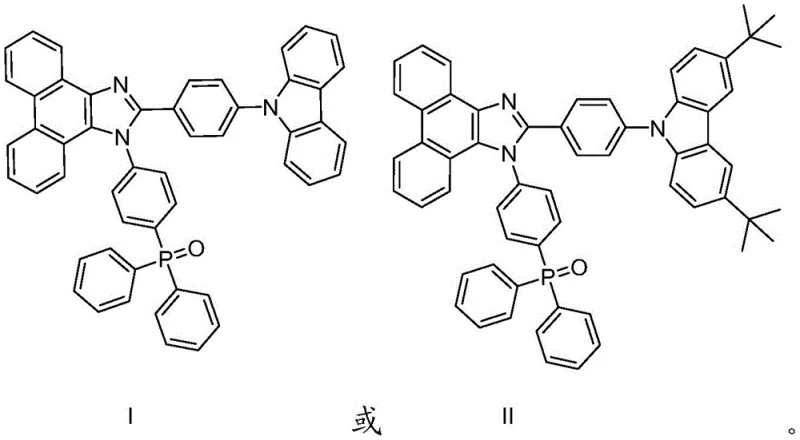
The rapid evolution of the organic optoelectronics industry demands materials that transcend the limitations of traditional fluorescent and phosphorescent emitters, particularly in the challenging near-ultraviolet spectrum. Patent CN115746057A introduces a groundbreaking class of carbazole phenyl phenanthroimidazole aromatic phosphine oxide compounds that address critical efficiency and stability bottlenecks in Organic Light-Emitting Diode (OLED) technology. Unlike conventional noble metal-based phosphors which suffer from high costs and efficiency roll-off at high currents, this novel molecular architecture leverages Thermally Activated Delayed Fluorescence (TADF) mechanisms to achieve high internal quantum efficiency without relying on scarce resources. The strategic incorporation of aromatic phosphine oxide groups onto the phenanthroimidazole backbone significantly enhances electron transport capabilities while maintaining excellent thermal stability, making it an ideal candidate for next-generation display and lighting applications. This technological leap offers a viable pathway for manufacturers seeking to optimize device performance while adhering to stricter environmental regulations and cost constraints in the competitive electronic chemical market.
The Limitations of Conventional Methods vs. The Novel Approach
The Limitations of Conventional Methods
Historically, the development of high-efficiency OLED materials has been heavily reliant on second-generation phosphorescent emitters based on heavy metals such as iridium and platinum, which facilitate triplet exciton harvesting through strong spin-orbit coupling. However, these traditional approaches present substantial drawbacks for large-scale commercialization, including the exorbitant cost of precious metal precursors and the phenomenon of triplet-triplet annihilation which leads to significant efficiency degradation at high brightness levels. Furthermore, achieving stable near-ultraviolet emission with these metal complexes is notoriously difficult due to inherent energy gaps and stability issues, often resulting in devices with short operational lifespans and inconsistent color purity. The reliance on complex organometallic synthesis also introduces severe supply chain vulnerabilities and environmental hazards associated with heavy metal waste disposal, creating a pressing need for alternative material systems that can deliver comparable performance without the associated economic and ecological burdens.
The Novel Approach
The innovative strategy outlined in the patent data circumvents these challenges by employing a purely organic molecular design that integrates carbazole, phenanthroimidazole, and aromatic phosphine oxide units into a unified donor-acceptor framework. This metal-free approach not only drastically reduces raw material costs by eliminating the need for expensive transition metals but also mitigates the risk of efficiency roll-off through efficient reverse intersystem crossing mechanisms inherent to TADF materials. The specific structural modification involving the phosphine oxide group serves a dual purpose: it acts as a strong electron-withdrawing unit to tune the energy levels for near-UV emission and simultaneously improves the morphological stability of the film during device operation. By utilizing a condensation cyclization reaction that can be performed in green solvents, this method offers a scalable and environmentally benign manufacturing route that aligns perfectly with modern sustainable chemistry principles and industrial safety standards.
Mechanistic Insights into Carbazole-Phenanthroimidazole Phosphine Oxide Formation
The core of this technological advancement lies in the precise molecular engineering that balances hole and electron transport properties within a single emissive molecule, thereby facilitating efficient exciton recombination in the near-ultraviolet region. The carbazole moiety functions as a robust hole-transporting donor with a high triplet energy level, preventing energy back-transfer and ensuring that excitons are confined within the emissive layer for maximum light output. Concurrently, the phenanthroimidazole core coupled with the diphenylphosphine oxide group creates a strong electron-accepting domain that lowers the lowest unoccupied molecular orbital (LUMO) energy level, enabling effective electron injection from the cathode. This intramolecular charge transfer state is critical for minimizing the singlet-triplet energy gap, which allows for the thermal up-conversion of non-radiative triplet excitons into radiative singlet states, theoretically enabling 100% internal quantum efficiency without the heavy atom effect.
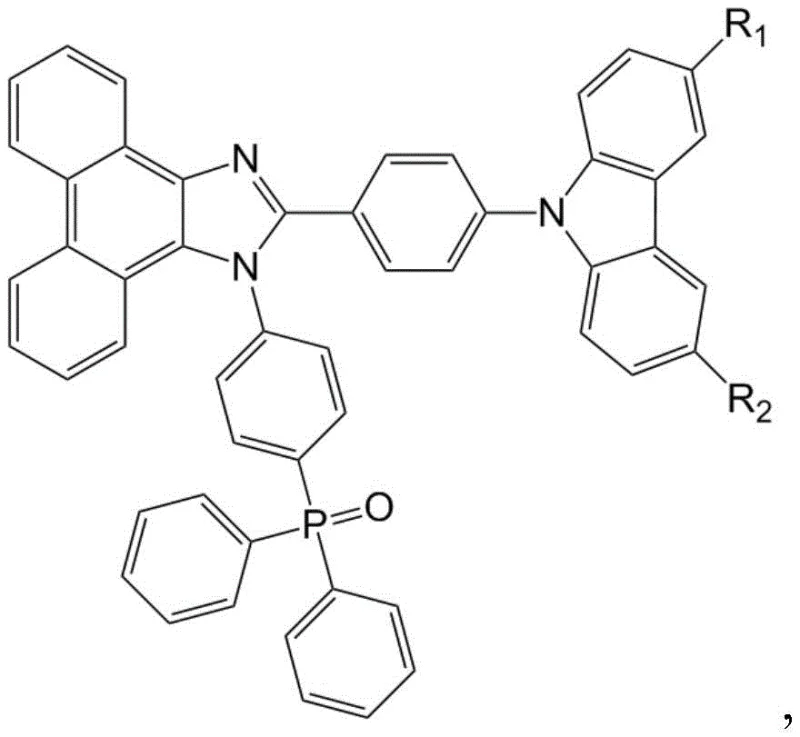
Furthermore, the structural rigidity imparted by the fused phenanthroimidazole ring system contributes significantly to the thermal and morphological stability of the material, which is paramount for maintaining device integrity during the high-vacuum thermal evaporation processes used in OLED fabrication. The presence of the phosphine oxide group also enhances the glass transition temperature, preventing crystallization of the emissive layer over extended periods of operation which would otherwise lead to dark spot formation and device failure. Impurity control is inherently managed through the high selectivity of the condensation reaction, which proceeds under mild acidic conditions to minimize side reactions such as over-oxidation or polymerization that could introduce quenching sites. This high level of chemical purity is essential for achieving the narrow emission spectra required for high-color-purity displays, ensuring that the final electroluminescent devices meet the stringent specifications demanded by top-tier consumer electronics manufacturers.
How to Synthesize Carbazole Phenyl Phenanthroimidazole Efficiently
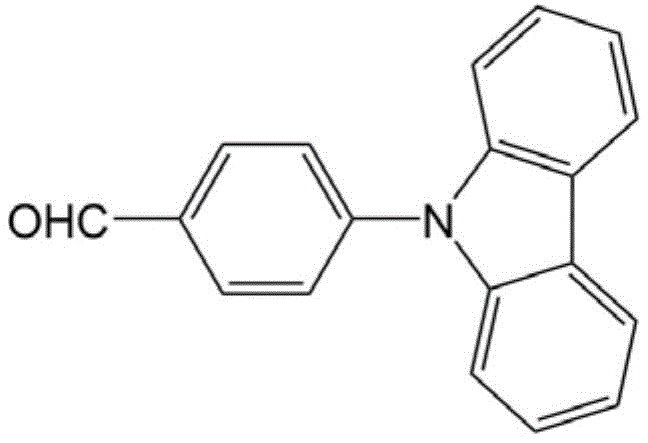
The synthesis pathway described in the patent data is designed for industrial scalability, utilizing a modular three-step sequence that begins with the preparation of key intermediates followed by a final convergent cyclization. The process emphasizes the use of readily available starting materials such as carbazole derivatives and halogenated benzaldehydes, which are coupled using cost-effective copper catalysis to form the essential aldehyde precursor. Subsequent phosphorylation is achieved through a zinc-catalyzed reaction in an aqueous medium, representing a significant departure from traditional anhydrous organic synthesis and highlighting the green chemistry credentials of the method. The final step involves a one-pot condensation with 9,10-phenanthrenequinone, streamlining the production workflow and reducing the number of purification stages required to obtain the final high-purity emitter.
- Prepare carbazole benzaldehyde derivatives via copper-catalyzed coupling of carbazole and p-halobenzaldehyde in DMF.
- Synthesize (4-aminophenyl)diphenylphosphine oxide using zinc catalysis in an aqueous medium to ensure environmental compliance.
- Execute condensation cyclization with 9,10-phenanthrenequinone under acidic conditions to form the final TADF emitter structure.
Commercial Advantages for Procurement and Supply Chain Teams
For procurement professionals and supply chain managers, the adoption of this synthetic route offers transformative benefits regarding cost structure and logistical reliability compared to traditional noble metal-based emitter supply chains. The elimination of iridium and platinum from the bill of materials removes exposure to the extreme price volatility characteristic of the precious metals market, allowing for more accurate long-term budget forecasting and stable pricing agreements with downstream device manufacturers. Additionally, the ability to utilize water as a solvent in the phosphorylation step significantly reduces the volume of hazardous organic waste generated, leading to lower waste disposal costs and simplified regulatory compliance procedures in jurisdictions with strict environmental protection laws. These factors combine to create a more resilient supply chain that is less susceptible to geopolitical disruptions affecting metal mining and refining sectors.
- Cost Reduction in Manufacturing: The substitution of expensive noble metal catalysts with abundant base metals like copper and zinc results in a drastic reduction in raw material expenditure per kilogram of produced emitter. By avoiding the complex ligand synthesis often required for organometallic complexes, the overall process mass intensity is improved, meaning less solvent and reagent consumption is needed to produce the same amount of active pharmaceutical ingredient equivalent. This efficiency gain translates directly into improved gross margins for manufacturers and allows for more competitive pricing strategies in the commoditized segments of the OLED material market without sacrificing performance quality.
- Enhanced Supply Chain Reliability: Sourcing carbazole and phosphine oxide derivatives relies on a mature and diversified global chemical infrastructure, reducing the risk of single-source bottlenecks that often plague specialized metal-organic supply chains. The robustness of the synthetic intermediates ensures that stockpiling is feasible without significant degradation concerns, providing a buffer against sudden demand surges or temporary production outages. This stability is crucial for maintaining continuous production lines in high-volume display manufacturing facilities where any interruption in material supply can result in massive financial losses and missed market windows.
- Scalability and Environmental Compliance: The demonstrated thermal stability of the final compounds, with decomposition temperatures exceeding 450 degrees Celsius, ensures that the material can withstand the rigors of large-scale vacuum deposition equipment without sublimation issues or nozzle clogging. The green synthesis protocol minimizes the generation of toxic byproducts, facilitating easier permitting for new production facilities and reducing the liability associated with environmental accidents. This alignment with sustainability goals enhances the brand value of downstream customers who are increasingly under pressure to report on the carbon footprint and environmental impact of their supply chains.
Frequently Asked Questions (FAQ)
The following questions address common technical and commercial inquiries regarding the implementation of this novel TADF material in industrial OLED production lines. These insights are derived directly from the experimental data and beneficial effects reported in the patent documentation, providing a factual basis for decision-making. Understanding these details is essential for R&D teams evaluating the feasibility of integrating this emitter into existing device architectures and for procurement teams assessing the long-term viability of the supply partnership.
Q: Why is this carbazole-phenanthroimidazole structure superior for near-UV emission?
A: The integration of the aromatic phosphine oxide group enhances electron transport capabilities while the carbazole unit facilitates hole transport, creating a balanced donor-acceptor system that minimizes efficiency roll-off in near-UV regions.
Q: How does the water-based synthesis step impact production costs?
A: Utilizing water as a solvent for the phosphorylation step eliminates the need for expensive organic solvents and simplifies waste treatment, significantly reducing the overall environmental footprint and operational expenditure.
Q: What thermal stability can be expected from these TADF materials?
A: The patented compounds demonstrate exceptional thermal stability with decomposition temperatures exceeding 450°C, ensuring robust performance during the vacuum deposition processes required for OLED device fabrication.
Partnering with NINGBO INNO PHARMCHEM: Your Reliable Carbazole Phenyl Phenanthroimidazole Supplier
As a premier CDMO partner, NINGBO INNO PHARMCHEM possesses the extensive experience scaling diverse pathways from 100 kgs to 100 MT/annual commercial production required to bring this sophisticated electronic chemical to the global market. Our rigorous QC labs and stringent purity specifications ensure that every batch of carbazole phenyl phenanthroimidazole aromatic phosphine oxide meets the exacting standards necessary for high-performance electroluminescent devices. We understand that consistency is key in the display industry, and our state-of-the-art manufacturing facilities are equipped to handle the specific handling requirements of sensitive organic semiconductors while maintaining the highest levels of quality assurance throughout the entire production lifecycle.
We invite you to engage with our technical procurement team to request a Customized Cost-Saving Analysis tailored to your specific volume requirements and device architecture needs. By collaborating with us, you can access specific COA data and route feasibility assessments that will help you validate the performance of this material in your own prototyping environments. Let us help you accelerate your transition to next-generation near-UV OLED technology with a supply partner committed to innovation, reliability, and mutual growth in the rapidly evolving optoelectronics sector.
Engineering Bottleneck?
Can't scale up this synthesis? Upload your target structure or CAS, and our CDMO team will evaluate the industrial feasibility within 24 hours. Request Evaluation →