
Advanced Biocatalytic Synthesis of Chiral Alcohols for Ticagrelor Manufacturing
The pharmaceutical industry's relentless pursuit of more efficient and sustainable manufacturing processes has led to significant advancements in biocatalysis, particularly for the synthesis of complex chiral intermediates. Patent CN116410946A introduces a groundbreaking development in this field: a novel carbonyl reductase LsCR mutant, specifically designated as LsCRM6, which exhibits exceptional thermal stability and catalytic efficiency. This innovation addresses critical bottlenecks in the production of (1S)-2-chloro-1-(3,4-difluorophenyl)ethanol, a pivotal chiral intermediate required for the synthesis of Ticagrelor, a widely prescribed antiplatelet medication. By leveraging rational protein engineering, specifically through site-directed saturation mutation at the 99th and 150th amino acid positions, researchers have created a biocatalyst that not only outperforms its predecessors in activity but also withstands the rigorous conditions of industrial-scale fermentation and transformation. This technological leap represents a paradigm shift for manufacturers seeking a reliable pharmaceutical intermediates supplier capable of delivering high-purity compounds with consistent quality and reduced environmental impact.
The Limitations of Conventional Methods vs. The Novel Approach
The Limitations of Conventional Methods
Traditionally, the synthesis of chiral aromatic alcohols like the Ticagrelor intermediate relied heavily on chemical reduction methods that often necessitated the use of hazardous chiral auxiliary agents and expensive resolving agents such as borane methyl sulfide or chiral prolinol derivatives. These conventional chemical pathways are fraught with challenges, including the generation of toxic waste streams, the requirement for stringent safety protocols due to the reactivity of reducing agents, and complex downstream purification processes to remove metal residues and by-products. Furthermore, early generations of biocatalysts, while greener, frequently suffered from poor thermal stability and low tolerance to high substrate concentrations, leading to incomplete conversions and the need for excessive enzyme loading. This instability often resulted in batch-to-batch variability, complicating the commercial scale-up of complex intermediates and increasing the overall cost of goods sold due to frequent catalyst replenishment and extended reaction times.
The Novel Approach
In stark contrast, the novel approach detailed in the patent utilizes the engineered LsCRM6 mutant, which has been optimized through precise genetic modifications to overcome these historical limitations. The LsCRM6 variant demonstrates a remarkable ability to function effectively at elevated temperatures and high substrate loadings, achieving a substrate conversion rate of greater than 99% within just 5.0 hours at a concentration of 600g/L. This high-density biocatalysis significantly reduces the reactor volume required per unit of product, thereby lowering capital expenditure and operational costs associated with solvent handling and waste treatment. The process employs isopropanol as a benign co-substrate for cofactor regeneration, eliminating the need for external addition of expensive NADPH and simplifying the reaction matrix. This robust biocatalytic system offers a streamlined, environmentally friendly alternative that aligns perfectly with modern green chemistry principles while ensuring the economic viability of large-scale production.
Mechanistic Insights into LsCR-Mediated Asymmetric Reduction
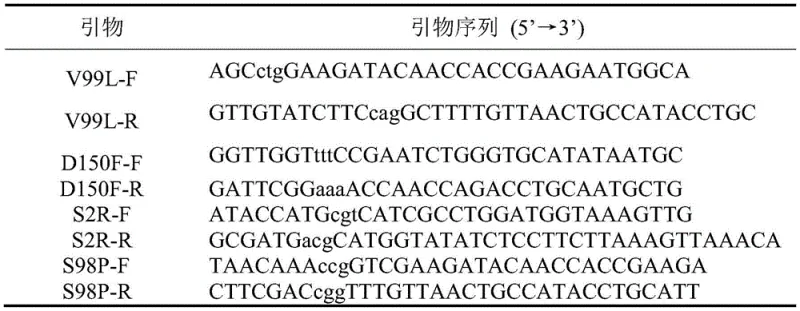
The superior performance of the LsCRM6 mutant is rooted in its specific structural modifications, namely the substitution of Valine with Leucine at position 99 (V99L) and Aspartic Acid with Phenylalanine at position 150 (D150F). These mutations are not arbitrary; they are the result of a rational design strategy aimed at enhancing the hydrophobic interactions and structural rigidity of the enzyme's active site and overall fold. The introduction of the bulkier phenylalanine residue likely stabilizes the protein core, contributing to the observed increase in the melting temperature (Tm) by 17.4°C compared to the LsCRM4 control. This enhanced thermal stability is crucial for maintaining catalytic integrity during prolonged reaction cycles, as evidenced by the mutant's half-life of 103.3 hours at 45°C. Such durability ensures that the enzyme remains active throughout the entire transformation process, minimizing the risk of premature deactivation that could lead to incomplete reactions and the accumulation of unwanted impurities.
Furthermore, the engineered enzyme exhibits strict stereoselectivity, exclusively producing the (S)-enantiomer of the target alcohol with an enantiomeric excess (eeP) consistently above 99.7%. This high level of optical purity is paramount in pharmaceutical manufacturing, where the presence of the wrong enantiomer can lead to reduced efficacy or adverse side effects in the final drug product. The mechanism involves the precise orientation of the ketone substrate within the enzyme's chiral pocket, facilitated by the mutated residues, which guides the hydride transfer from the NADPH cofactor to the specific face of the carbonyl group. This precise control over the reaction trajectory eliminates the need for subsequent chiral resolution steps, which are typically costly and yield-loss prone. By integrating these mechanistic advantages, the process ensures cost reduction in API manufacturing by simplifying the synthetic route and guaranteeing the delivery of high-purity chiral alcohols that meet stringent regulatory specifications.
How to Synthesize (1S)-2-chloro-1-(3,4-difluorophenyl)ethanol Efficiently
The implementation of this biocatalytic process involves a series of well-defined steps that leverage the robustness of the LsCRM6 mutant to achieve maximum efficiency. The procedure begins with the cultivation of the recombinant E. coli host strain, followed by induction to express the target enzyme, and culminates in the biotransformation of the ketone substrate under optimized conditions. The patent outlines specific parameters for pH, temperature, and co-substrate ratios that are critical for success, ensuring that the reaction proceeds rapidly to completion with minimal by-product formation. Detailed standard operating procedures for the fermentation, cell harvesting, and biocatalytic conversion are essential for reproducibility and scale-up.
- Prepare the biocatalyst by cultivating E.coli BL21(DE3) harboring the LsCRM6 gene, inducing expression with IPTG, and harvesting wet cells or purifying the enzyme.
- Establish the reaction system with 600g/L substrate concentration, 40% (v/v) isopropanol as co-substrate, and 0.1mM NADPH in pH 6 citrate buffer.
- Maintain the reaction at 45°C with agitation until conversion exceeds 99%, then extract the chiral alcohol product using ethyl acetate.
Commercial Advantages for Procurement and Supply Chain Teams
For procurement managers and supply chain directors, the adoption of the LsCRM6 biocatalytic process offers tangible strategic benefits that extend beyond mere technical performance. The ability to operate at high substrate concentrations fundamentally alters the economics of production by drastically reducing the volume of solvents and water required per kilogram of product. This process intensification leads to substantial cost savings in raw material procurement and waste disposal, two of the largest variable costs in chemical manufacturing. Moreover, the elimination of hazardous chemical reducing agents simplifies the supply chain logistics, removing the need for specialized storage and handling of dangerous goods, thereby reducing insurance premiums and compliance burdens. The robustness of the enzyme also translates to reduced lead time for high-purity intermediates, as the faster reaction kinetics and higher conversion rates allow for shorter batch cycles and increased throughput without compromising quality.
- Cost Reduction in Manufacturing: The transition to this enzymatic route eliminates the dependency on expensive chiral resolving agents and hazardous boron-based reagents, which are subject to volatile market pricing and strict regulatory controls. By utilizing a renewable biocatalyst and a simple alcohol co-substrate, the process significantly lowers the direct material costs associated with the synthesis. Additionally, the high conversion efficiency minimizes the loss of valuable starting materials, ensuring that nearly every gram of substrate is converted into the desired product, which maximizes yield and reduces the cost per unit of active pharmaceutical ingredient.
- Enhanced Supply Chain Reliability: The thermal stability of the LsCRM6 mutant ensures consistent performance across different production batches, mitigating the risk of supply disruptions caused by catalyst failure or inconsistent reaction outcomes. This reliability is critical for maintaining continuous production schedules for essential medicines like Ticagrelor. The use of a genetically defined strain also facilitates technology transfer between manufacturing sites, allowing for a more flexible and resilient global supply network that can adapt to regional demand fluctuations without the need for extensive re-validation of the process.
- Scalability and Environmental Compliance: The process is inherently scalable, having been demonstrated to work effectively at high substrate loadings that are compatible with industrial fermenters. The aqueous nature of the reaction medium and the use of biodegradable components align with increasingly stringent environmental regulations regarding solvent emissions and heavy metal discharge. This eco-friendly profile not only reduces the environmental footprint of the manufacturing facility but also enhances the brand reputation of the pharmaceutical company by supporting sustainable development goals and meeting the expectations of socially conscious investors and consumers.
Frequently Asked Questions (FAQ)
The following questions address common technical and commercial inquiries regarding the implementation of the LsCRM6 biocatalytic system. These insights are derived directly from the experimental data and beneficial effects reported in the patent documentation, providing a clear understanding of the technology's capabilities and limitations. Understanding these details is crucial for stakeholders evaluating the feasibility of integrating this novel biocatalyst into their existing manufacturing workflows.
Q: How does the LsCRM6 mutant improve upon previous carbonyl reductase versions?
A: The LsCRM6 mutant features specific amino acid substitutions (V99L and D150F) that increase thermal stability by 17.4°C in Tm value and boost specific enzyme activity by 78% compared to the LsCRM4 variant, allowing for higher substrate loading and longer operational half-life.
Q: What is the stereoselectivity of this biocatalytic process?
A: The process demonstrates strict S-selectivity, consistently achieving an enantiomeric excess (eeP) value greater than 99.7% for the production of (1S)-2-chloro-1-(3,4-difluorophenyl)ethanol, which is critical for the efficacy of the final anticoagulant drug.
Q: Can this enzymatic method handle high substrate concentrations industrially?
A: Yes, the engineered enzyme tolerates substrate concentrations up to 600g/L, completing the reaction within 5 hours with over 99% conversion, which significantly reduces solvent usage and downstream processing volumes compared to traditional low-concentration biocatalysis.
Partnering with NINGBO INNO PHARMCHEM: Your Reliable (1S)-2-chloro-1-(3,4-difluorophenyl)ethanol Supplier
At NINGBO INNO PHARMCHEM, we recognize the transformative potential of advanced biocatalysis in the production of high-value pharmaceutical intermediates. Our team possesses extensive experience scaling diverse pathways from 100 kgs to 100 MT/annual commercial production, ensuring that innovations like the LsCRM6 mutant can be seamlessly transitioned from the laboratory to full-scale manufacturing. We are committed to maintaining stringent purity specifications and operating rigorous QC labs to guarantee that every batch of (1S)-2-chloro-1-(3,4-difluorophenyl)ethanol meets the highest international standards for safety and efficacy. Our infrastructure is designed to support the complex requirements of enzymatic processes, including precise temperature control and specialized downstream purification capabilities.
We invite you to collaborate with us to leverage this cutting-edge technology for your supply chain needs. Contact our technical procurement team today to request a Customized Cost-Saving Analysis tailored to your specific production volumes. We are prepared to provide specific COA data and route feasibility assessments to demonstrate how our expertise can drive efficiency and reliability in your anticoagulant drug manufacturing operations. Let us be your partner in navigating the complexities of modern pharmaceutical synthesis.