
Advanced Enzymatic Resolution for High-Purity Chiral Glycol Ethers Manufacturing
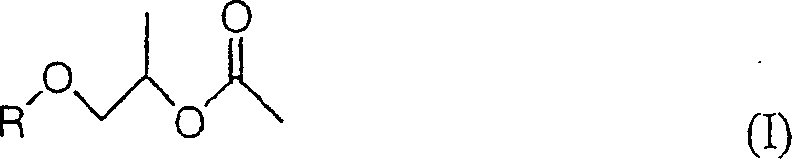
The pharmaceutical and fine chemical industries continuously seek robust methodologies for producing optically pure intermediates essential for modern drug development. Patent CN1656230A introduces a groundbreaking enzymatic resolution process specifically designed for propylene glycol alkyl and aryl ethers along with their corresponding acetates. This technology leverages the high stereoselectivity of hydrolase enzymes to separate racemic mixtures into individual enantiomers with exceptional purity levels. Traditional chemical synthesis often struggles with achieving high enantiomeric excess without complex purification steps or hazardous reagents. The disclosed biocatalytic approach addresses these challenges by utilizing immobilized lipases under mild aqueous conditions. This innovation represents a significant shift towards sustainable manufacturing practices while ensuring the structural integrity required for sensitive biological applications. Implementing this protocol allows manufacturers to access high-value chiral building blocks previously difficult to procure at scale.
The Limitations of Conventional Methods vs. The Novel Approach
The Limitations of Conventional Methods
Historically the production of chiral glycol ethers relied heavily on classical chemical resolution techniques involving stoichiometric amounts of chiral resolving agents. These traditional pathways frequently necessitate harsh reaction conditions including extreme temperatures and strong acidic or basic environments that can degrade sensitive functional groups. Furthermore chemical methods often generate substantial quantities of hazardous waste streams requiring expensive disposal protocols and environmental remediation efforts. The use of heavy metal catalysts in asymmetric synthesis poses additional risks regarding residual contamination in the final active pharmaceutical ingredients. Purification processes such as repeated crystallization or chromatography increase production time and significantly reduce overall material throughput. Consequently manufacturers face elevated operational costs and extended lead times when relying on these legacy synthetic routes for complex chiral intermediates.
The Novel Approach
The enzymatic resolution method described in the patent utilizes Candida antarctica lipase B to catalyze highly specific hydrolysis or transesterification reactions under physiological conditions. This biocatalytic system operates effectively in aqueous or biphasic media eliminating the need for volatile organic solvents commonly associated with chemical processing. The enzyme exhibits remarkable tolerance to high substrate concentrations allowing for improved volumetric productivity without compromising stereoselectivity. By employing immobilized enzyme formulations the process facilitates easy separation and reuse of the biocatalyst across multiple production cycles. This approach drastically reduces the environmental footprint while enhancing the economic viability of producing optically pure glycol ether derivatives. The mild operating parameters ensure compatibility with a wide range of functional groups present in complex molecular architectures.
Mechanistic Insights into CAL-B Catalyzed Enantioselective Hydrolysis
The core mechanism involves the precise interaction between the lipase active site and the specific stereoisomer of the glycol ether acetate substrate. The enzyme discriminates between enantiomers based on spatial orientation within the catalytic pocket leading to selective hydrolysis of one isomer while leaving the other intact. This kinetic resolution results in the accumulation of the unreacted enantiomer alongside the hydrolyzed product both possessing high optical purity. The process can be tuned by adjusting parameters such as pH temperature and substrate loading to maximize the enantiomeric excess values. Understanding this mechanistic pathway is crucial for optimizing reaction conditions to achieve theoretical yields approaching fifty percent for each pure enantiomer. The specificity of the biocatalyst minimizes the formation of unwanted by-products simplifying downstream purification requirements significantly.
Impurity control is inherently managed through the high selectivity of the enzymatic transformation which avoids side reactions common in chemical catalysis. The absence of heavy metals eliminates the need for rigorous scavenging steps typically required to meet regulatory standards for pharmaceutical intermediates. Residual enzyme protein can be removed through standard filtration techniques ensuring the final product meets stringent quality specifications. The stability of the immobilized biocatalyst prevents leaching of active components into the reaction mixture maintaining consistent performance over extended operation periods. This level of control over the reaction profile ensures batch-to-batch consistency which is critical for regulatory compliance in regulated industries. The robust nature of the system allows for reliable production of materials intended for sensitive biological applications.
How to Synthesize Chiral Propylene Glycol Ethers Efficiently
Implementing this synthesis route requires careful preparation of the reaction matrix including the selection of appropriate buffer systems and enzyme loading rates. The process begins with the introduction of the racemic substrate into the reactor containing the immobilized biocatalyst under controlled agitation. Monitoring reaction progress through chiral chromatography ensures that the conversion is halted at the optimal point to maximize enantiomeric purity. Detailed standardized synthesis steps are provided in the guide below to ensure reproducibility and safety during scale-up operations. Adhering to these protocols guarantees the production of intermediates meeting the high-quality standards expected by global pharmaceutical partners. Proper handling of the biocatalyst ensures longevity and consistent performance throughout the manufacturing campaign.
- Prepare reaction mixture with racemic propylene glycol ether acetate and immobilized CAL-B lipase in buffered aqueous medium.
- Maintain temperature between 30°C and 40°C while monitoring conversion rates to achieve optimal enantiomeric excess.
- Separate resolved enantiomers via distillation or extraction and recycle the immobilized biocatalyst for subsequent batches.
Commercial Advantages for Procurement and Supply Chain Teams
This biocatalytic technology offers transformative benefits for procurement strategies by reducing dependency on scarce chemical reagents and complex supply chains. The ability to recycle the immobilized enzyme multiple times significantly lowers the cost of goods sold associated with catalytic materials. Eliminating heavy metal catalysts reduces the burden on waste management systems and lowers compliance costs related to environmental regulations. The mild reaction conditions decrease energy consumption compared to traditional high-temperature chemical processes contributing to overall operational efficiency. Supply chain reliability is enhanced through the use of commercially available enzymes that are not subject to the same geopolitical constraints as rare metal catalysts. These factors combine to create a more resilient and cost-effective manufacturing model for high-value chiral intermediates.
- Cost Reduction in Manufacturing: The elimination of expensive chiral resolving agents and heavy metal catalysts leads to substantial savings in raw material expenditures. Reusing the immobilized biocatalyst over numerous cycles distributes the initial enzyme cost across a larger volume of produced material. Reduced waste disposal costs further contribute to the overall economic advantage of this green chemistry approach. Simplified purification steps lower labor and equipment usage rates resulting in faster turnaround times for production batches. These cumulative efficiencies translate into a more competitive pricing structure for the final chiral intermediates supplied to clients.
- Enhanced Supply Chain Reliability: Utilizing commercially sourced enzymes ensures a stable supply of critical catalytic components不受 geographic limitations. The robustness of the immobilized formulation allows for easier storage and transportation compared to sensitive chemical catalysts requiring special handling. Consistent batch quality reduces the risk of production delays caused by out-of-specification materials requiring reprocessing. The scalability of the process from laboratory to industrial reactors ensures seamless transition during demand surges without compromising product integrity. This reliability supports long-term planning and inventory management strategies for downstream pharmaceutical manufacturers.
- Scalability and Environmental Compliance: The process operates effectively at high substrate concentrations enabling significant volume output within existing reactor footprints. Aqueous reaction media minimize the release of volatile organic compounds aligning with strict environmental protection standards. The absence of toxic heavy metals simplifies regulatory filings and accelerates approval timelines for new drug applications. Energy efficiency is improved through lower operating temperatures reducing the carbon footprint of the manufacturing facility. These attributes position the technology as a sustainable solution for future-proofing chemical supply chains against evolving regulatory landscapes.
Frequently Asked Questions (FAQ)
The following questions address common technical and commercial inquiries regarding the implementation of this enzymatic resolution technology. Answers are derived directly from the experimental data and embodiments disclosed within the patent documentation to ensure accuracy. Understanding these details helps stakeholders evaluate the feasibility of integrating this process into their existing manufacturing workflows. The information provided covers aspects ranging from catalyst performance to product purity specifications relevant to quality assurance teams. Reviewing these insights facilitates informed decision-making regarding technology adoption and supplier qualification processes.
Q: What is the primary advantage of enzymatic resolution over chemical methods?
A: Enzymatic resolution using CAL-B lipase offers superior enantioselectivity exceeding 99% ee without requiring heavy metal catalysts or harsh reaction conditions.
Q: Can the biocatalyst be reused for multiple production cycles?
A: Yes, immobilized CAL-B demonstrates robust stability allowing for recycling over thirty consecutive batches while maintaining high catalytic activity.
Q: What substrate concentrations are feasible for industrial scale-up?
A: The process supports high substrate loadings up to 50% v/v in aqueous or biphasic systems ensuring high volumetric productivity for commercial manufacturing.
Partnering with NINGBO INNO PHARMCHEM: Your Reliable Propylene Glycol Ethers Supplier
NINGBO INNO PHARMCHEM stands at the forefront of implementing advanced biocatalytic solutions for the production of complex chiral intermediates. Our technical team possesses extensive experience scaling diverse pathways from 100 kgs to 100 MT/annual commercial production ensuring seamless technology transfer. We maintain stringent purity specifications through our rigorous QC labs equipped with state-of-the-art analytical instrumentation for chiral verification. Our commitment to quality ensures that every batch of propylene glycol ethers meets the exacting standards required by global pharmaceutical regulators. Partnering with us provides access to cutting-edge manufacturing capabilities combined with decades of industry expertise in fine chemical synthesis.
We invite you to engage with our technical procurement team to discuss how this innovative resolution process can optimize your supply chain. Request a Customized Cost-Saving Analysis to understand the specific economic benefits applicable to your production volumes. Our experts are ready to provide specific COA data and route feasibility assessments tailored to your project requirements. Initiating this dialogue today will unlock opportunities for enhanced efficiency and reduced costs in your upcoming development campaigns. Let us collaborate to bring your chiral intermediate projects to fruition with speed and precision.
Engineering Bottleneck?
Can't scale up this synthesis? Upload your target structure or CAS and our CDMO team will evaluate the industrial feasibility within 24 hours. Request Evaluation →