
Revolutionizing N-Nitrosamine Production: A Catalyst-Free, Green Synthesis Strategy for Global Supply Chains
Revolutionizing N-Nitrosamine Production: A Catalyst-Free, Green Synthesis Strategy for Global Supply Chains
The landscape of fine chemical manufacturing is constantly evolving, driven by the dual imperatives of regulatory compliance and cost efficiency. In the realm of nitrogen-containing compounds, specifically N-nitrosamines, the demand for robust, scalable, and environmentally benign synthesis routes has never been higher. Patent CN116162040A introduces a groundbreaking methodology that addresses these critical industry pain points by utilizing sulfonyl fluoride as a key reaction promoter. This innovation represents a significant departure from legacy protocols, offering a pathway to high-purity intermediates essential for pharmaceutical and agrochemical applications. By leveraging a metal nitrite source in conjunction with sulfonyl fluoride, this process achieves efficient nitrogen-nitrogen bond formation without the reliance on hazardous strong acids or expensive transition metal catalysts. For R&D directors and procurement managers alike, this technology signals a shift towards more sustainable and economically viable production models.
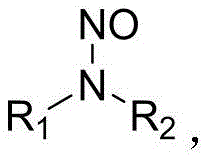
The strategic value of this patent lies in its ability to generate complex N-nitrosation compounds with remarkable simplicity. The general structural formula illustrates the versatility of the method, where R1 and R2 can encompass a broad spectrum of alkyl, aryl, substituted aryl, and cyclic moieties. This universality is crucial for contract development and manufacturing organizations (CDMOs) that must cater to diverse client portfolios ranging from oncology drug intermediates to specialized agrochemical agents. The elimination of harsh reaction conditions not only enhances operator safety but also reduces the corrosion burden on reactor vessels, thereby extending equipment lifespan and lowering capital expenditure over time. As we delve deeper into the technical specifics, it becomes evident that this approach is not merely a laboratory curiosity but a viable solution for commercial scale-up of complex pharmaceutical intermediates.
The Limitations of Conventional Methods vs. The Novel Approach
The Limitations of Conventional Methods
Historically, the synthesis of N-nitrosamines has been fraught with significant operational and environmental challenges that hinder efficient large-scale manufacturing. Traditional protocols predominantly rely on the in situ generation of nitrous acid through the reaction of sodium nitrite with strong inorganic acids such as hydrochloric or sulfuric acid. This necessitates the handling of highly corrosive media, which demands specialized, acid-resistant reactor linings and imposes strict safety protocols to prevent equipment failure and personnel injury. Furthermore, alternative oxidative methods employing reagents like IBX, TBAF, or copper-based catalyst systems introduce substantial cost burdens due to the high price of these oxidants and the complex downstream processing required to remove trace metal impurities. These residual metals often fail to meet the stringent ppm-level specifications mandated by global pharmacopoeias, forcing manufacturers to implement additional, yield-eroding purification steps such as chelation or recrystallization. Consequently, the cumulative effect of harsh conditions, expensive reagents, and difficult purification renders conventional methods suboptimal for modern, cost-sensitive supply chains.
The Novel Approach
In stark contrast, the methodology disclosed in CN116162040A offers a streamlined, catalyst-free alternative that fundamentally reshapes the economic and technical feasibility of nitrosation reactions. By introducing sulfonyl fluoride gas into a mixture of secondary amine and metal nitrite, the reaction proceeds smoothly under mild thermal conditions, typically ranging from 0°C to 100°C. This gentle thermal profile minimizes energy consumption and mitigates the risk of thermal runaway, a critical safety consideration in exothermic nitrosation processes. The use of sulfonyl fluoride as a reaction accelerator negates the need for stoichiometric amounts of strong acids or precious metal oxidants, thereby drastically simplifying the reaction matrix. From a commercial perspective, this translates to a significant reduction in raw material costs and a simplification of the waste stream, as the byproducts are easier to manage and dispose of compared to heavy metal sludge. This novel approach aligns perfectly with the principles of green chemistry, offering a sustainable route for cost reduction in pharmaceutical intermediate manufacturing while maintaining high standards of product quality.
Mechanistic Insights into Sulfonyl Fluoride-Promoted Nitrosation
Understanding the mechanistic underpinnings of this reaction is vital for R&D teams aiming to optimize process parameters for specific substrates. The core of this transformation involves the activation of the nitrite species by sulfonyl fluoride, which likely facilitates the generation of a reactive nitrosating agent capable of attacking the nucleophilic nitrogen center of the secondary amine. Unlike acid-catalyzed pathways that rely on protonation to activate the nitrite, this fluoride-mediated mechanism operates effectively in neutral or near-neutral mixed solvent systems comprising organic solvents and water. This unique activation mode preserves acid-sensitive functional groups that would otherwise degrade under traditional strongly acidic conditions, thereby expanding the scope of compatible substrates. The reaction kinetics are favorable, with conversion typically achieved within 1 to 24 hours, allowing for high throughput in batch reactors. Moreover, the absence of transition metals ensures that the final impurity profile is free from catalyst-related contaminants, simplifying the analytical validation process and accelerating regulatory filing timelines for new drug applications.
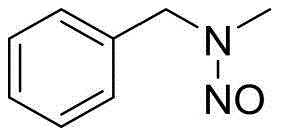
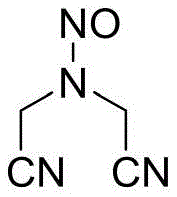
The robustness of this mechanism is further evidenced by its exceptional tolerance towards diverse electronic environments on the amine substrate. As demonstrated in the synthesis of N-methyl-N-nitrosobenzylamine, the system accommodates benzylic amines with high efficiency, achieving yields that are competitive with or superior to legacy methods. The mechanism remains effective even in the presence of electron-donating groups like methoxy or electron-withdrawing groups like chloro substituents on the aromatic ring, indicating that the rate-determining step is not heavily influenced by the electronic density of the adjacent carbon framework. This insensitivity to electronic effects is a powerful tool for medicinal chemists who need to rapidly iterate through analog libraries without redesigning the synthetic route for each new derivative. Furthermore, the compatibility with aliphatic and heteroatom-containing groups, such as the cyano functionality seen in other examples, underscores the versatility of this chemistry. Such broad substrate acceptance reduces the risk of project delays caused by reaction failures during the scale-up phase, ensuring a more predictable and reliable supply of high-purity OLED material or API precursors.
How to Synthesize N-Nitrosamine Compounds Efficiently
Implementing this synthesis route in a production environment requires adherence to specific operational protocols to maximize yield and safety. The process begins with the preparation of a homogeneous reaction mixture, followed by the controlled introduction of the gaseous promoter. While the chemistry is robust, attention to detail regarding solvent ratios and gas flow rates is essential to maintain reproducibility across different batch sizes. The following guide outlines the standardized procedure derived from the patent examples, serving as a foundational reference for process engineers. For a comprehensive understanding of the specific stoichiometry and workup details tailored to your specific compound, please refer to the detailed technical documentation provided by our engineering team.
- Prepare a mixed solution by uniformly mixing a secondary amine compound with a metal nitrite source (such as sodium nitrite) in a mixed solvent of organic matter and water.
- Introduce sulfonyl fluoride gas into the mixed solution while maintaining magnetic stirring at a temperature between 0°C and 100°C for 1 to 24 hours to facilitate the nitrosation reaction.
- Upon completion, perform extraction with ethyl acetate, wash with saturated sodium chloride, dry over anhydrous sodium sulfate, concentrate under reduced pressure, and purify via silica gel column chromatography.
Commercial Advantages for Procurement and Supply Chain Teams
For procurement managers and supply chain heads, the adoption of this sulfonyl fluoride-mediated synthesis offers tangible benefits that extend far beyond the laboratory bench. The primary advantage lies in the drastic simplification of the bill of materials; by eliminating expensive oxidants and transition metal catalysts, the direct material cost per kilogram of product is significantly reduced. This cost efficiency is compounded by the reduction in downstream processing requirements, as the absence of heavy metals removes the need for specialized scavenging resins or complex filtration steps. Consequently, the overall cycle time from raw material intake to finished goods release is shortened, enhancing the agility of the supply chain to respond to market fluctuations. Additionally, the use of common, commodity-grade reagents like sodium nitrite and sulfonyl fluoride ensures a stable and secure supply base, mitigating the risk of shortages associated with niche specialty chemicals. This reliability is paramount for maintaining continuous production schedules and meeting the just-in-time delivery expectations of global pharmaceutical clients.
- Cost Reduction in Manufacturing: The economic impact of switching to this catalyst-free protocol is profound, primarily driven by the elimination of high-cost reagents and the simplification of purification workflows. Traditional methods often incur hidden costs related to the disposal of hazardous metal waste and the depreciation of acid-corroded equipment, both of which are effectively nullified by this new approach. The use of sulfonyl fluoride, a relatively inexpensive gas, as a promoter allows for high atom economy and minimizes the generation of stoichiometric byproduct waste. Furthermore, the mild reaction conditions reduce energy consumption for heating and cooling, contributing to lower utility bills and a smaller carbon footprint. These cumulative savings allow manufacturers to offer more competitive pricing structures without compromising on margin, creating a win-win scenario for both suppliers and buyers in the competitive fine chemical market.
- Enhanced Supply Chain Reliability: Supply chain resilience is bolstered by the reliance on widely available, non-proprietary starting materials that are not subject to the geopolitical volatility often seen with rare earth metals or complex ligands. The operational simplicity of the process, which utilizes standard glass-lined or stainless steel reactors without the need for exotic linings, means that production can be easily transferred between different manufacturing sites or scaled up rapidly to meet surge demand. The robustness of the reaction against variations in substrate electronics ensures consistent batch-to-batch quality, reducing the incidence of out-of-specification results that can disrupt inventory planning. This predictability enables supply chain planners to optimize safety stock levels and reduce lead time for high-purity pharmaceutical intermediates, ensuring that downstream drug manufacturing lines remain uninterrupted.
- Scalability and Environmental Compliance: From an environmental, health, and safety (EHS) perspective, this methodology represents a significant advancement towards greener manufacturing practices. The avoidance of strong mineral acids reduces the risk of chemical burns and inhalation hazards for plant operators, while the absence of heavy metal catalysts simplifies wastewater treatment and solid waste disposal compliance. The process generates fewer hazardous byproducts, aligning with increasingly stringent global environmental regulations and corporate sustainability goals. Scalability is inherently supported by the mild thermal profile, which minimizes the heat load on reactor cooling systems and reduces the risk of thermal excursions during large-batch operations. This makes the technology ideally suited for commercial scale-up of complex polymer additives or agrochemical intermediates, where safety and environmental stewardship are critical components of the license to operate.
Frequently Asked Questions (FAQ)
To assist technical decision-makers in evaluating the feasibility of this technology for their specific projects, we have compiled a set of frequently asked questions based on the patent data and our internal process knowledge. These queries address common concerns regarding reaction scope, safety profiles, and integration into existing manufacturing infrastructure. Understanding these nuances is essential for conducting a thorough risk assessment and determining the optimal path forward for process development. Our technical team is available to provide further customization and feasibility studies based on your specific target molecules.
Q: What are the primary advantages of using sulfonyl fluoride over traditional nitrosation reagents?
A: Unlike traditional methods that rely on strong mineral acids or expensive transition metal oxidants, sulfonyl fluoride acts as a mild reaction promoter. This eliminates the need for corrosive acidic media and costly catalyst removal steps, significantly simplifying the downstream purification process and reducing environmental waste.
Q: Does this synthesis method support a wide range of substrate functional groups?
A: Yes, the method demonstrates excellent functional group tolerance. It is effective for secondary amines containing alkyl, aryl, substituted aryl (with both electron-donating and electron-withdrawing groups), and cyclic structures, including sensitive functionalities like cyano groups and alkenes.
Q: How does this process impact scalability and safety in a commercial plant?
A: The reaction operates under mild temperatures (0°C to 100°C) and atmospheric pressure conditions using simple gas introduction techniques. The absence of explosive oxidants and the use of readily available reagents make the process inherently safer and easier to scale from laboratory benchtop to multi-ton commercial production.
Partnering with NINGBO INNO PHARMCHEM: Your Reliable N-Nitrosamine Supplier
At NINGBO INNO PHARMCHEM, we recognize that the successful commercialization of advanced chemical technologies requires more than just a patent; it demands deep process engineering expertise and a commitment to quality excellence. As a leading CDMO partner, we possess extensive experience scaling diverse pathways from 100 kgs to 100 MT/annual commercial production, ensuring that the promising results observed in the laboratory are faithfully translated to the manufacturing plant. Our facilities are equipped with state-of-the-art rigorous QC labs and analytical instrumentation capable of verifying stringent purity specifications, guaranteeing that every batch of N-nitrosamine intermediate meets the highest international standards. We understand the critical nature of these compounds in the synthesis of life-saving medications and are dedicated to providing a secure, compliant, and efficient supply chain solution for our global partners.
We invite you to collaborate with us to leverage this innovative sulfonyl fluoride-mediated synthesis for your next project. By partnering with our technical procurement team, you can access a Customized Cost-Saving Analysis that quantifies the potential economic benefits of switching to this greener route for your specific portfolio. We encourage you to reach out today to request specific COA data and route feasibility assessments, allowing us to demonstrate how our technical capabilities can drive value and efficiency in your manufacturing operations. Together, we can accelerate the development of next-generation therapeutics while adhering to the highest principles of sustainability and safety.