
Advanced Synthesis of High-Purity Bisphenol S for Global Pharmaceutical and Polymer Markets
Advanced Synthesis of High-Purity Bisphenol S for Global Pharmaceutical and Polymer Markets
The global demand for high-performance polymer additives and pharmaceutical intermediates continues to drive the need for superior synthesis methodologies, particularly for critical molecules like 4,4'-dihydroxy diphenyl sulfone, commonly known as Bisphenol S (BPS). Recent advancements detailed in patent CN115650889A introduce a transformative approach to producing this essential chemical with unprecedented purity and low chroma. This innovation addresses long-standing challenges in the industry, such as the formation of dark-colored by-products and the difficulty in separating structural isomers. By leveraging a specialized mesitylene/xylene mixed solvent system and a novel post-reaction neutralization strategy, manufacturers can now achieve product purities exceeding 99.8% with significantly reduced operational complexity. This technical breakthrough not only enhances the quality of the final pharmaceutical intermediate but also offers substantial implications for supply chain efficiency and cost management in large-scale production environments.
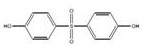
The structural integrity of Bisphenol S, characterized by two hydroxyl groups on benzene rings linked by a strong electron-withdrawing sulfone group, provides exceptional thermal and oxidative stability. However, traditional synthetic routes often compromise this potential due to harsh reaction conditions that promote side reactions. The methodology outlined in the referenced patent effectively mitigates these risks by optimizing the reaction thermodynamics. For procurement managers and R&D directors seeking a reliable bisphenol S supplier, understanding these mechanistic improvements is crucial for evaluating the long-term viability and cost-effectiveness of their raw material sources. The ability to consistently deliver low-chroma material without extensive post-processing represents a significant competitive advantage in the fine chemicals sector.
The Limitations of Conventional Methods vs. The Novel Approach
The Limitations of Conventional Methods
Historically, the industrial production of Bisphenol S has relied heavily on the dehydration condensation of phenol and concentrated sulfuric acid, often utilizing single-component solvents like pure mesitylene. A major drawback of this conventional approach is the excessively high reflux temperature required for efficient water removal, typically exceeding 155°C. At these elevated temperatures, phenol and intermediate phenolsulfonic acids are prone to severe over-oxidation, generating dark-colored quinone oily substances that are notoriously difficult to remove. These impurities not only result in a product with unacceptably high chroma but also reduce the overall conversion rate and yield. Furthermore, the boiling points of the desired 4,4'-isomer and the unwanted 2,4'-isomer are remarkably similar, making purification via distillation extremely energy-intensive and inefficient. Traditional methods often resort to multiple refining steps or the use of expensive adsorbents to achieve acceptable color standards, driving up manufacturing costs and complicating the supply chain for polymer additive manufacturers.
The Novel Approach
The innovative synthesis method described in patent CN115650889A fundamentally alters the reaction landscape by introducing a mesitylene/xylene mixed solvent system. This strategic solvent engineering lowers the water separation temperature by approximately 20-30°C compared to traditional processes, effectively suppressing the thermal degradation pathways that lead to quinone formation. By maintaining a milder thermal environment, the reaction achieves a more complete conversion with minimal side-product generation. Additionally, the process incorporates a unique solvent removal technique where the solvent is extracted via suction filtration while the product is in a semi-solid state at 110-130°C. This physical separation method efficiently carries away residual quinone oils that would otherwise contaminate the crystal lattice. Coupled with the immediate addition of solid basic carbonate for neutralization, this approach eliminates the need for corrosive aqueous neutralization steps in the refining stage, thereby preserving equipment integrity and preventing metal contamination. This holistic optimization results in a streamlined process that is highly suitable for the commercial scale-up of complex fine chemical intermediates.
Mechanistic Insights into Solvent-Engineered Condensation
The core of this technological advancement lies in the precise manipulation of the reaction medium to control kinetics and thermodynamics simultaneously. In the condensation of phenol with sulfuric acid, the formation of the sulfone bridge is an electrophilic aromatic substitution that generates water as a by-product. Efficient removal of this water is critical to driving the equilibrium forward. The mesitylene/xylene mixture forms an azeotrope that facilitates water removal at a lower temperature than pure mesitylene. This reduction in thermal energy input is pivotal; it kinetically hinders the oxidation of the electron-rich phenolic rings into quinoid structures, which are the primary precursors to the dark coloration observed in inferior grades of Bisphenol S. By keeping the reaction temperature within the optimal window of 125-160°C, the process ensures that the electrophilic attack occurs predominantly at the para-position, minimizing the formation of the ortho-substituted 2,4'-isomer. This selectivity is further enhanced by the specific mass ratio of the solvents, creating a microenvironment that favors the thermodynamic stability of the 4,4'-product.
Impurity control is further reinforced by the timing and method of neutralization. In traditional workflows, neutralizing the acidic reaction mass often occurs during the refining stage, where the presence of hot acid can corrode stainless steel equipment, leaching iron and other metal ions into the product. These metal ions can catalyze further oxidation or form colored complexes, degrading the quality of the high-purity OLED material or polymer precursor. The patented method introduces solid basic carbonate (such as sodium carbonate or bicarbonate) immediately after the reaction concludes but before solvent removal. This solid-phase neutralization consumes the excess sulfuric acid without introducing additional water, which would complicate the subsequent crystallization. By adjusting the pH to a slightly acidic range of 5-6 prior to isolation, the process ensures that the crude product is chemically stable and free from corrosive residues. This proactive impurity management strategy significantly reduces the burden on downstream purification units, ensuring that the final crystallization from methanol/water yields a product with chroma values as low as 10-15 Pt-Co.
How to Synthesize 4,4'-Dihydroxy Diphenyl Sulfone Efficiently
The synthesis protocol outlined in the patent provides a robust framework for manufacturing facilities aiming to upgrade their production capabilities. The process begins with the preparation of the reaction vessel, where the mesitylene/xylene mixed solvent and phenol are charged and heated. Concentrated sulfuric acid is then added dropwise under controlled conditions to manage the exotherm, followed by a reflux period for water separation. Once the reaction is deemed complete, the critical step of solid neutralization is performed, followed by the innovative suction filtration to isolate the crude solid.
- React phenol with concentrated sulfuric acid in a mesitylene/xylene mixed solvent at controlled temperatures (125-160°C) to facilitate efficient water separation.
- Neutralize excess acid immediately post-reaction using solid basic carbonate powders to prevent equipment corrosion and impurity formation.
- Remove solvent via suction filtration at 110-130°C and refine the crude product using methanol aqueous solution with activated carbon and reducing agents.
Commercial Advantages for Procurement and Supply Chain Teams
For procurement managers and supply chain heads, the adoption of this synthesis method translates into tangible operational efficiencies and risk mitigation. The primary economic driver is the significant reduction in energy consumption associated with the lower reflux temperatures. By operating the reaction at temperatures roughly 20-30°C lower than conventional methods, facilities can realize substantial savings in steam and cooling utility costs over the lifespan of the production campaign. Moreover, the elimination of complex, multi-step distillation processes for solvent recovery in favor of direct suction filtration drastically shortens the batch cycle time. This acceleration in throughput enhances the overall capacity of the manufacturing plant without requiring capital investment in new reactors, directly addressing the need for reducing lead time for high-purity pharmaceutical intermediates. The simplified workflow also reduces the labor hours required per batch, contributing to a leaner operational cost structure.
- Cost Reduction in Manufacturing: The process eliminates the need for expensive adsorbents and multiple refining cycles that are typically required to meet color specifications in traditional methods. By preventing the formation of dark quinone impurities at the source through temperature control, the reliance on costly decolorization agents like activated carbon is optimized, and the yield loss associated with aggressive purification is minimized. Furthermore, the use of solid neutralization agents avoids the introduction of water, which reduces the energy load required for drying the final product. These cumulative effects lead to a drastic simplification of the production cost profile, offering a competitive pricing advantage for buyers seeking cost reduction in agrochemical intermediate manufacturing and related sectors.
- Enhanced Supply Chain Reliability: The robustness of this synthetic route ensures consistent product quality, which is vital for maintaining uninterrupted supply chains in regulated industries like pharmaceuticals. The method's tolerance for variation and its ability to consistently produce material with purity ≥99.8% and low isomer content reduces the risk of batch rejection. Additionally, the use of readily available commodity chemicals like phenol, sulfuric acid, mesitylene, and xylene ensures that raw material sourcing remains stable and unaffected by niche supply constraints. This reliability allows supply chain planners to forecast inventory needs with greater confidence, mitigating the risks of stockouts that can halt downstream polymerization or drug synthesis operations.
- Scalability and Environmental Compliance: From an environmental and safety perspective, the lower operating temperatures reduce the thermal load on the facility, decreasing the risk of thermal runaway incidents. The avoidance of aqueous waste streams during the neutralization phase significantly lowers the volume of wastewater that requires treatment, aligning with increasingly stringent environmental regulations. The process is inherently designed for scalability, as the solvent removal via filtration is easily adaptable from pilot scales to multi-ton production capacities. This ease of scale-up ensures that suppliers can rapidly respond to surges in market demand for specialty chemical precursors without compromising on quality or compliance standards.
Frequently Asked Questions (FAQ)
The following questions address common technical and commercial inquiries regarding the production and application of Bisphenol S using this advanced methodology. These insights are derived directly from the experimental data and beneficial effects reported in the patent literature, providing a transparent view of the technology's capabilities. Understanding these details helps stakeholders make informed decisions regarding vendor qualification and material specification.
Q: How does the new solvent system improve product chroma compared to traditional methods?
A: The use of a mesitylene/xylene mixed solvent lowers the reflux temperature by approximately 20-30°C compared to pure mesitylene. This significant reduction in thermal stress minimizes the over-oxidation of phenol and phenolsulfonic acid into dark-colored quinone oily substances, directly resulting in a final product chroma of ≤15 Pt-Co.
Q: Why is solid basic carbonate used for neutralization instead of aqueous alkali?
A: Adding solid basic carbonate immediately after the synthesis reaction avoids the introduction of water into the system, which would otherwise increase purification costs. Furthermore, performing neutralization before the refining stage prevents the corrosion of equipment by hot acidic mixtures, thereby avoiding the introduction of metal ion impurities that degrade product purity.
Q: What is the advantage of suction filtration over distillation for solvent removal?
A: Suction filtration at 110-130°C allows for the simultaneous removal of organic solvents and dark-colored quinone oil impurities that remain dissolved in the liquid phase. Traditional distillation often fails to remove these oily impurities effectively, leading to higher chroma and requiring additional, costly decolorization steps.
Partnering with NINGBO INNO PHARMCHEM: Your Reliable 4,4'-Dihydroxy Diphenyl Sulfone Supplier
At NINGBO INNO PHARMCHEM, we recognize that the transition from laboratory innovation to industrial reality requires a partner with deep technical expertise and robust manufacturing capabilities. As a leading CDMO, we possess extensive experience scaling diverse pathways from 100 kgs to 100 MT/annual commercial production, ensuring that the theoretical benefits of patents like CN115650889A are fully realized in every batch we deliver. Our facilities are equipped with rigorous QC labs and adhere to stringent purity specifications, guaranteeing that the Bisphenol S supplied meets the exacting standards required for high-end polymer and pharmaceutical applications. We understand that consistency is key, and our process controls are designed to maintain the low-chroma and high-purity profiles essential for your downstream success.
We invite you to collaborate with us to optimize your supply chain and reduce your overall manufacturing costs. Our technical team is ready to provide a Customized Cost-Saving Analysis tailored to your specific volume requirements and quality targets. We encourage potential partners to contact our technical procurement team to request specific COA data and route feasibility assessments. By leveraging our advanced synthesis capabilities, you can secure a stable supply of high-quality intermediates that drive innovation in your own products while maintaining a competitive edge in the global market.