
Advanced Pt-Rh Catalytic Hydrogenation for Scalable Production of Chiral Pharmaceutical Intermediates
The landscape of pharmaceutical intermediate manufacturing is constantly evolving, driven by the need for higher purity and more efficient synthetic routes. Patent CN100457715C introduces a groundbreaking hydrogenation process for aromatic compounds, specifically targeting the production of cyclohydrogenated amino acids which serve as critical building blocks for bioactive peptides. This technology addresses a long-standing challenge in organic synthesis: achieving complete saturation of aromatic rings without compromising the stereochemical integrity of adjacent chiral centers. For R&D Directors and Procurement Managers seeking a reliable pharmaceutical intermediates supplier, this patent offers a robust solution that combines high yield with exceptional stereoconservation. The method utilizes a unique platinum-rhodium mixed catalyst system that outperforms traditional single-metal catalysts in both speed and selectivity. By leveraging this innovation, manufacturers can produce high-purity pharmaceutical intermediates with reduced risk of impurity formation, ensuring a more stable supply chain for downstream drug synthesis.
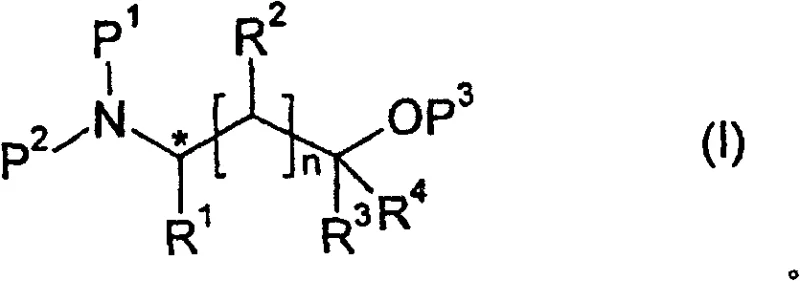
The Limitations of Conventional Methods vs. The Novel Approach
The Limitations of Conventional Methods
Historically, the hydrogenation of aromatic amino acids has been plagued by significant technical hurdles that impact both cost and quality. Conventional methods often rely on palladium or pure platinum catalysts, which frequently induce unwanted secondary reactions such as the hydrogenolysis of substituents. This side reaction not only lowers the overall yield but also complicates the purification process, leading to increased waste and higher production costs. Furthermore, when dealing with substrates containing asymmetric carbon atoms at the benzylic position, there is a persistent risk of partial racemization. Literature indicates that using pure platinum oxide or palladium hydroxide can result in moderate yields and significant loss of optical purity, rendering the product unsuitable for high-value peptide mimics. These inefficiencies create bottlenecks in the commercial scale-up of complex pharmaceutical intermediates, forcing manufacturers to accept lower throughput or invest heavily in chiral separation technologies to correct the stereochemical errors introduced during synthesis.
The Novel Approach
The novel approach detailed in the patent data overcomes these deficiencies through the strategic use of a platinum-rhodium mixed catalyst. This bimetallic system creates a synergistic effect that suppresses the hydrogenolysis of the benzylamino group, a common failure point in previous methodologies. By optimizing the ratio of platinum to rhodium, preferably between 5:1 and 3:1 by weight, the process achieves yields exceeding 94%, which is at the upper limit of technical feasibility for this class of reactions. Crucially, the reaction time is drastically reduced to approximately 6 to 8 hours, compared to the 18 to 40 hours required by older methods using pure rhodium or platinum oxide. This acceleration in reaction kinetics translates directly into improved space-time yield, a critical metric for industrial production. The ability to maintain high enantiomeric purity while significantly shortening the cycle time represents a major leap forward in cost reduction in pharmaceutical intermediates manufacturing, offering a clear competitive advantage for supply chain heads looking to optimize production schedules.
Mechanistic Insights into Pt-Rh Catalyzed Cyclohydrogenation
The core of this technological advancement lies in the specific interaction between the platinum and rhodium metals on the catalyst support, typically activated carbon or alumina. The presence of rhodium modifies the electronic environment of the platinum active sites, making them less aggressive towards the cleavage of carbon-nitrogen bonds while maintaining high activity for aromatic ring saturation. This selective hydrogenation is vital for preserving the structural integrity of the amino acid backbone. When an enantiomer-concentrated substrate is used, the hydrogenation reaction exhibits high stereoconservative properties, with the degree of racemization generally kept below 3%, and in preferred embodiments, less than 1%. This level of control is essential for producing active pharmaceutical ingredients where stereochemistry dictates biological activity. The mechanism effectively blocks the pathways that lead to racemization, ensuring that the chiral information present in the starting material is faithfully transferred to the hydrogenated product. For R&D teams, this means a more predictable and robust process that minimizes the need for extensive downstream purification to remove diastereomeric impurities.
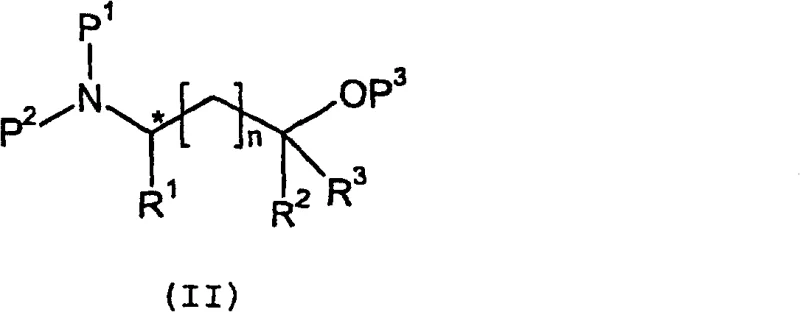
Furthermore, the process allows for the use of protected or unprotected amino acids, providing flexibility in synthetic design. The catalyst system is tolerant of various functional groups, including hydroxyl and carboxyl groups, provided appropriate protection strategies are employed or pH conditions are adjusted using acids or bases. The patent specifies that adding at least one equivalent of base for N-protected amino acids or acid for hydroxyl/carboxyl-protected amino acids can further optimize the reaction environment. This adaptability ensures that the method can be applied to a wide range of aromatic amino acids, such as phenylglycine, phenylalanine, and tyrosine, as well as their derivatives. The robustness of the catalyst against poisoning and its ability to be recovered and reused without loss of activity adds another layer of efficiency. This mechanistic stability is key to reducing lead time for high-purity pharmaceutical intermediates, as it eliminates the variability often associated with catalyst degradation in batch processes.
How to Synthesize Cyclohexyl Amino Acids Efficiently
The synthesis of these valuable intermediates follows a streamlined protocol designed for industrial scalability and safety. The process begins with the dissolution or suspension of the aromatic substrate in a solvent system comprising water and alcohols like isopropanol, often with the addition of hydrochloric acid to facilitate solubility and reaction control. The precise control of reaction parameters, such as hydrogen pressure between 5 to 15 bar and temperatures ranging from 30°C to 80°C, ensures optimal kinetics without compromising safety. The use of a supported catalyst allows for easy separation via filtration, simplifying the workup procedure significantly compared to homogeneous catalysis.
- Dissolve the aromatic amino acid substrate in a mixture of water and isopropanol with hydrochloric acid to ensure solubility and protonation.
- Add the supported Pt-Rh catalyst (4% Pt, 1% Rh on activated carbon) at a loading of approximately 5% by weight relative to the substrate.
- Conduct hydrogenation in a pressure autoclave at 50-60°C and 8-10 bar hydrogen pressure for 6 to 8 hours until hydrogen uptake ceases.
Commercial Advantages for Procurement and Supply Chain Teams
For procurement managers and supply chain heads, the adoption of this Pt-Rh hydrogenation technology offers substantial strategic benefits beyond mere technical performance. The primary advantage lies in the significant cost savings achieved through improved catalyst efficiency and reduced reaction times. By eliminating the need for expensive and time-consuming chiral resolution steps that are often required when using less selective catalysts, manufacturers can drastically simplify their production workflows. The ability to reuse the catalyst multiple times without activity loss further contributes to substantial cost savings, reducing the overall consumption of precious metals per kilogram of product. This efficiency is critical for maintaining competitive pricing in the global market for fine chemical intermediates. Additionally, the high yield and purity reduce the volume of waste generated, aligning with increasingly stringent environmental compliance standards and reducing disposal costs.
- Cost Reduction in Manufacturing: The elimination of secondary reactions like hydrogenolysis means that raw materials are converted into the desired product with maximum efficiency, minimizing waste and maximizing output. The reduced reaction time from days to hours allows for higher throughput in existing reactor vessels, effectively increasing capacity without capital expenditure. The qualitative improvement in catalyst life cycle means that the cost per batch for precious metal consumption is significantly lowered, providing a direct impact on the bottom line. These factors combine to create a more economically viable process that can withstand market fluctuations in raw material prices.
- Enhanced Supply Chain Reliability: The robustness of the Pt-Rh catalyst system ensures consistent batch-to-batch quality, which is essential for maintaining long-term contracts with pharmaceutical clients. The shorter cycle times enable faster turnaround for orders, reducing lead time for high-purity pharmaceutical intermediates and allowing for more responsive inventory management. The use of readily available starting materials and standard hydrogenation equipment means that the supply chain is less vulnerable to disruptions caused by specialized reagent shortages. This reliability is a key factor for supply chain heads aiming to build resilient production networks that can meet the demands of just-in-time manufacturing.
- Scalability and Environmental Compliance: The process is designed for commercial scale-up of complex pharmaceutical intermediates, with parameters that translate easily from laboratory to production scale. The use of water and alcohol solvents, along with the ability to recover the catalyst, minimizes the environmental footprint of the manufacturing process. Reduced waste generation and lower energy consumption due to shorter reaction times contribute to a more sustainable operation. This alignment with green chemistry principles not only reduces regulatory risk but also enhances the corporate image of manufacturers as responsible partners in the pharmaceutical supply chain.
Frequently Asked Questions (FAQ)
The following questions address common technical and commercial inquiries regarding the implementation of this hydrogenation technology. These answers are derived directly from the patent specifications and are intended to provide clarity for technical teams evaluating the feasibility of this route. Understanding these details is crucial for making informed decisions about process adoption and supplier selection.
Q: How does the Pt-Rh catalyst prevent racemization compared to pure Platinum catalysts?
A: The addition of Rhodium to the Platinum catalyst modifies the surface electronic properties, significantly suppressing the hydrogenolysis of the benzylamino group and preventing the formation of intermediates that lead to racemization at the chiral center.
Q: Can the Pt-Rh catalyst be reused for multiple batches without activity loss?
A: Yes, the patent data indicates that the catalyst can be recovered efficiently via filtration and reused several times in subsequent hydrogenation cycles without significant loss of catalytic activity or selectivity.
Q: What is the typical reaction time for this hydrogenation process?
A: The process typically requires 6 to 8 hours to reach completion, which is significantly faster than conventional methods using pure Rhodium catalysts that may take up to 40 hours.
Partnering with NINGBO INNO PHARMCHEM: Your Reliable Cyclohexyl Amino Acids Supplier
At NINGBO INNO PHARMCHEM, we recognize the critical importance of efficient and reliable synthesis routes for complex pharmaceutical intermediates. Our CDMO expertise allows us to leverage advanced technologies like the Pt-Rh catalytic hydrogenation process to deliver high-quality products that meet the rigorous standards of the global pharmaceutical industry. We possess extensive experience scaling diverse pathways from 100 kgs to 100 MT/annual commercial production, ensuring that your supply needs are met with consistency and precision. Our stringent purity specifications and rigorous QC labs guarantee that every batch of cyclohexyl amino acids delivered meets the exacting requirements for peptide mimic synthesis. By partnering with us, you gain access to a supply chain that is optimized for both performance and compliance.
We invite you to discuss how our technical capabilities can support your specific project requirements. Our team is ready to provide a Customized Cost-Saving Analysis to demonstrate the economic benefits of switching to this advanced hydrogenation route. We encourage potential partners to contact our technical procurement team to request specific COA data and route feasibility assessments tailored to your target molecules. Let us help you optimize your supply chain and reduce your time to market with our proven manufacturing excellence.
Engineering Bottleneck?
Can't scale up this synthesis? Upload your target structure or CAS, and our CDMO team will evaluate the industrial feasibility within 24 hours. Request Evaluation →