
Advanced Catalytic Synthesis of Chiral Silicon-Containing Pyrrolidine Derivatives for Pharmaceutical Applications
Advanced Catalytic Synthesis of Chiral Silicon-Containing Pyrrolidine Derivatives for Pharmaceutical Applications
The landscape of modern pharmaceutical synthesis is constantly evolving, driven by the demand for complex chiral building blocks that offer superior biological activity and metabolic profiles. A significant breakthrough in this domain is documented in Chinese Patent CN110256479B, which discloses a novel class of chiral pyrrolidine derivatives containing a silicon acyl skeleton. These compounds are not merely academic curiosities; they represent a critical advancement in the construction of nitrogen-containing heterocycles, which are ubiquitous in bioactive molecules ranging from ACE inhibitors to anticancer agents. The patent highlights a sophisticated asymmetric 1,3-dipolar [3+2] cycloaddition strategy that efficiently constructs these complex architectures with exceptional stereocontrol. By integrating a silicon moiety directly into the pyrrolidine core, this technology opens new avenues for modulating the physicochemical properties of drug candidates, particularly enhancing lipophilicity and metabolic stability. As a leading entity in fine chemical manufacturing, understanding the nuances of such patented methodologies is essential for developing reliable supply chains for next-generation active pharmaceutical ingredients.
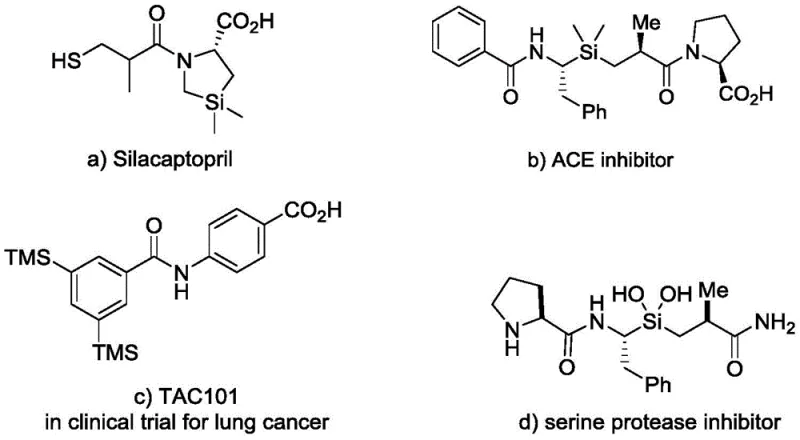
The structural diversity achievable through this method is vast, as evidenced by the broad scope of substrates tolerated in the reaction. The resulting derivatives possess multiple chiral centers and functional groups, making them invaluable intermediates for the synthesis of complex drugs. For instance, the presence of the silicon acyl group allows for downstream transformations that are difficult to achieve with traditional carbon-based analogs. This capability is crucial for medicinal chemists aiming to optimize lead compounds during the drug discovery phase. The patent explicitly mentions the potential application of these derivatives in treating cardiovascular diseases, arrhythmias, and even cancer, underscoring their high commercial value. Consequently, securing a reliable source for such high-purity intermediates is a strategic priority for pharmaceutical companies looking to accelerate their development pipelines while maintaining rigorous quality standards.
The Limitations of Conventional Methods vs. The Novel Approach
The Limitations of Conventional Methods
Traditionally, the synthesis of chiral pyrrolidines has relied on methods that often suffer from significant drawbacks, limiting their utility in large-scale manufacturing. Conventional routes frequently require harsh reaction conditions, such as elevated temperatures or strong acidic/basic environments, which can compromise the integrity of sensitive functional groups present in complex molecules. Moreover, many existing protocols struggle to achieve high levels of enantioselectivity without the use of stoichiometric amounts of chiral auxiliaries, leading to poor atom economy and increased waste generation. The separation of diastereomers or enantiomers in these traditional processes often necessitates cumbersome purification steps, such as repeated recrystallizations or preparative chiral HPLC, which drastically increase production costs and extend lead times. Furthermore, the introduction of silicon-containing motifs into these heterocyclic frameworks has historically been challenging, often requiring multi-step sequences with low overall yields. These inefficiencies create bottlenecks in the supply chain, making it difficult for procurement teams to secure consistent quantities of high-quality intermediates needed for clinical trials and commercial production.
The Novel Approach
In stark contrast, the methodology described in CN110256479B offers a transformative solution by leveraging a transition metal-catalyzed asymmetric 1,3-dipolar [3+2] cycloaddition. This novel approach utilizes readily available acylated silane compounds and azomethine ylides as starting materials, reacting them under remarkably mild conditions to forge the pyrrolidine ring with high precision. The use of a dual metal catalytic system involving silver and copper, paired with specialized chiral phosphine ligands, enables the reaction to proceed efficiently at room temperature, typically between 0°C and 30°C. This mildness is a game-changer for process chemistry, as it minimizes energy consumption and reduces the risk of thermal degradation of sensitive substrates. The reaction demonstrates excellent functional group tolerance, accommodating various substituents on both the silane and the imine components without compromising yield or stereoselectivity. By streamlining the synthesis into a single catalytic step with high atom utilization, this method significantly simplifies the manufacturing process, offering a clear pathway for cost reduction and improved supply chain reliability for fine chemical intermediates.
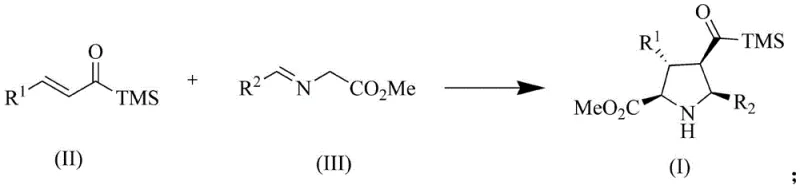
Mechanistic Insights into Ag/Cu-Catalyzed Asymmetric Cycloaddition
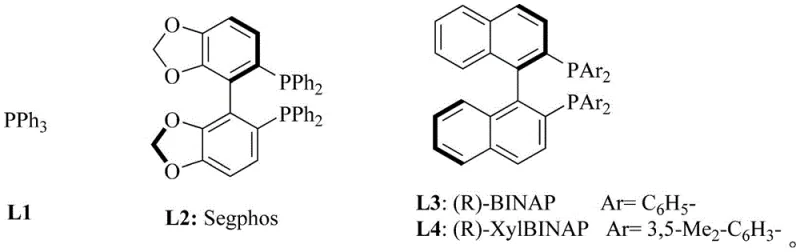
The success of this synthetic route hinges on the intricate interplay between the metal catalysts and the chiral ligands, which orchestrate the stereochemical outcome of the reaction. The catalytic system typically employs a combination of silver carbonate (Ag2CO3) and a copper salt, such as copper tetraacetonitrile hexafluorophosphate (Cu(CH3CN)4PF6), in the presence of a chiral bisphosphine ligand. Ligands such as (R)-Segphos, (R)-BINAP, or (R)-XylBINAP play a pivotal role in creating a chiral environment around the metal center, guiding the approach of the dipole and the dipolarophile to favor the formation of one specific enantiomer over the other. The silver species likely activates the azomethine ylide precursor, facilitating the generation of the reactive 1,3-dipole, while the copper complex coordinates with the acylated silane olefin, lowering the activation energy for the cycloaddition. This cooperative catalysis ensures that the reaction proceeds with high turnover numbers and exceptional enantiomeric excess (ee), often exceeding 90% and reaching up to 98% in optimized examples. The precise control over the transition state geometry prevents the formation of unwanted byproducts, ensuring a clean reaction profile that simplifies downstream purification.
Beyond stereocontrol, the mechanism also accounts for the remarkable chemoselectivity observed in this transformation. The silicon acyl group, which could potentially be susceptible to nucleophilic attack or hydrolysis under certain conditions, remains intact throughout the catalytic cycle due to the mild nature of the reagents and the specific coordination mode of the catalyst. The additive, often a mild base like potassium carbonate or cesium carbonate, serves to deprotonate the glycine Schiff base to generate the ylide in situ without promoting side reactions such as polymerization or decomposition. This careful balance of reactivity allows for the construction of densely functionalized pyrrolidine rings bearing ester, silyl, and aryl groups in close proximity. For R&D directors, understanding this mechanistic robustness is vital, as it implies that the process can be adapted to a wide range of substrate analogs without extensive re-optimization. The ability to predictably install multiple chiral centers in a single operation significantly accelerates the exploration of structure-activity relationships (SAR) in drug discovery programs.
How to Synthesize Chiral Silicon Pyrrolidine Derivatives Efficiently
Implementing this synthesis in a laboratory or pilot plant setting requires strict adherence to the optimized parameters outlined in the patent to ensure reproducibility and high quality. The process begins with the preparation of the catalytic solution under an inert atmosphere, typically nitrogen, to prevent oxidation of the sensitive metal complexes. The choice of solvent is critical, with tetrahydrofuran (THF) showing superior performance in terms of solubility and reaction rate, although other ethers or chlorinated solvents may also be viable depending on the specific substrate. The sequential addition of reagents is a key operational detail; adding the base and the ylide precursor before the electrophilic silane helps control the concentration of the reactive dipole, minimizing dimerization. Following the reaction period of 20 to 30 hours at ambient temperature, the workup involves standard extraction techniques using ethyl acetate, followed by drying and concentration. The final purification is achieved through silica gel column chromatography, which effectively separates the desired chiral product from any minor impurities or unreacted starting materials. Detailed standardized synthesis steps are provided in the guide below to assist technical teams in replicating these results.
- Prepare the catalytic system by mixing a chiral phosphine ligand (e.g., (R)-XylBINAP), silver carbonate, and a copper catalyst in an inert solvent like tetrahydrofuran under nitrogen protection.
- Sequentially add the azomethine ylide precursor (glycine Schiff base), a base additive such as potassium carbonate, and the acylated silane compound to the reaction mixture.
- Stir the reaction at room temperature (0-30°C) for 20-30 hours, then perform extraction with ethyl acetate, dry the organic phase, and purify the crude product via silica gel column chromatography.
Commercial Advantages for Procurement and Supply Chain Teams
From a commercial perspective, the adoption of this catalytic technology offers substantial benefits that directly address the pain points of procurement managers and supply chain heads. The primary advantage lies in the drastic simplification of the manufacturing process, which translates into significant cost reductions. By eliminating the need for cryogenic conditions or high-pressure equipment, the capital expenditure required for setting up production lines is minimized. Furthermore, the high yields and enantioselectivity reported in the patent mean that less raw material is wasted, and the need for expensive chiral resolution steps is obviated. This efficiency leads to a lower cost of goods sold (COGS), allowing pharmaceutical companies to allocate resources more effectively towards clinical development and marketing. The use of commercially available and relatively inexpensive starting materials, such as glycine esters and simple silanes, further enhances the economic viability of the process, ensuring long-term price stability for the intermediate.
- Cost Reduction in Manufacturing: The elimination of harsh reaction conditions and stoichiometric chiral reagents significantly lowers operational expenses. The catalytic nature of the process means that expensive chiral ligands are used in sub-stoichiometric amounts, reducing the overall material cost per kilogram of product. Additionally, the simplified workup procedure reduces solvent consumption and waste disposal costs, contributing to a more sustainable and economically attractive manufacturing model. The high purity of the crude product often allows for simpler purification protocols, saving time and labor in the production facility.
- Enhanced Supply Chain Reliability: The robustness of this synthetic route ensures consistent production output, which is critical for maintaining uninterrupted supply to downstream API manufacturers. The mild reaction conditions reduce the risk of batch failures due to thermal runaways or equipment malfunctions, thereby enhancing process safety and reliability. Since the starting materials are common fine chemicals with established global supply chains, the risk of raw material shortages is minimal. This stability allows procurement teams to negotiate better long-term contracts and secure inventory with confidence, knowing that the production technology is scalable and dependable.
- Scalability and Environmental Compliance: The process is inherently scalable, having been demonstrated to work efficiently from milligram to gram scales in the patent examples, with clear pathways to kilogram and tonne production. The use of green chemistry principles, such as high atom economy and the avoidance of toxic heavy metals in stoichiometric quantities, aligns with increasingly stringent environmental regulations. This compliance reduces the regulatory burden associated with waste management and emissions, facilitating faster approval for commercial manufacturing sites. The ability to scale up without losing selectivity or yield makes this technology an ideal candidate for the commercial scale-up of complex pharmaceutical intermediates.
Frequently Asked Questions (FAQ)
To further clarify the technical and commercial implications of this technology, we have compiled a list of frequently asked questions based on the patent data and industry standards. These answers address common concerns regarding the practical implementation of the synthesis, the stability of the products, and the regulatory aspects of using silicon-containing intermediates in drug development. Understanding these details is crucial for stakeholders making decisions about integrating this new class of compounds into their portfolios. The following insights are derived directly from the experimental data and technical specifications provided in the intellectual property documentation.
Q: What represents the key innovation in this chiral pyrrolidine synthesis?
A: The key innovation lies in the use of a dual metal catalytic system (Ag/Cu) combined with chiral phosphine ligands to achieve highly enantioselective 1,3-dipolar [3+2] cycloaddition under mild room temperature conditions, introducing a unique silicon acyl skeleton.
Q: How does the silicon acyl group benefit the final pharmaceutical molecule?
A: The silicon group enhances lipophilicity and metabolic stability. Furthermore, it serves as a versatile synthetic handle that can be transformed into various functional groups, such as aldehydes or hydroxyls, facilitating further derivatization in drug discovery.
Q: Is this process suitable for large-scale industrial production?
A: Yes, the process operates at room temperature with simple post-treatment procedures like extraction and column chromatography. The use of commercially available starting materials and robust catalytic systems supports scalability from laboratory to commercial tonnage.
Partnering with NINGBO INNO PHARMCHEM: Your Reliable Chiral Silicon Pyrrolidine Derivative Supplier
At NINGBO INNO PHARMCHEM, we recognize the transformative potential of the chiral silicon pyrrolidine derivatives described in CN110256479B and are fully equipped to support your development needs. As a premier CDMO partner, we possess extensive experience scaling diverse pathways from 100 kgs to 100 MT/annual commercial production, ensuring that your project can seamlessly transition from early-stage research to full-scale manufacturing. Our state-of-the-art facilities are designed to handle sensitive catalytic reactions under inert atmospheres, and our rigorous QC labs enforce stringent purity specifications to guarantee that every batch meets the highest international standards. We understand that consistency and quality are non-negotiable in the pharmaceutical industry, and our dedicated technical team is committed to delivering intermediates that facilitate your success.
We invite you to collaborate with us to leverage this advanced synthetic technology for your next drug discovery program. By partnering with NINGBO INNO PHARMCHEM, you gain access to a Customized Cost-Saving Analysis tailored to your specific volume requirements and timeline. We encourage you to contact our technical procurement team today to request specific COA data, route feasibility assessments, and competitive quotations. Let us help you accelerate your pipeline with high-quality, cost-effective chiral building blocks that drive innovation in modern medicine.