
Advanced Bufolactam Synthesis: Technical Upgrade and Commercial Scalability for Global Pharma
Advanced Bufolactam Synthesis: Technical Upgrade and Commercial Scalability for Global Pharma
Introduction to Novel Bufolactam Technology
The pharmaceutical industry continuously seeks safer alternatives to potent natural products, and patent CN102382164A introduces a groundbreaking approach to modifying bufadienolides. This technology focuses on the synthesis of bufolactam compounds, which are structurally modified derivatives of traditional toad venom extracts known for their antitumor properties. By altering the core chemical architecture, this method addresses the critical issue of high toxicity associated with native bufolides while preserving their therapeutic efficacy against various cancer cell lines. The innovation lies in a straightforward yet effective chemical transformation that converts the lactone ring into a lactam ring, fundamentally changing the biological interaction profile of the molecule. This development offers a promising pathway for developing next-generation oncology therapeutics with improved safety margins. For R&D teams, this represents a significant opportunity to explore new chemical space with reduced preclinical risk. The process is designed to be robust, utilizing common reagents and manageable reaction conditions that facilitate easier adoption in diverse laboratory settings.
The Limitations of Conventional Methods vs. The Novel Approach
The Limitations of Conventional Methods
Traditional utilization of bufadienolides extracted from toad venom has been severely hampered by their narrow therapeutic window and significant cardiotoxicity. These natural compounds, while potent against tumor cells, often exhibit indiscriminate cytotoxicity that affects normal healthy tissues, leading to severe side effects in clinical applications. The structural rigidity of the lactone ring in native bufolides contributes to this lack of selectivity, making it difficult to optimize dosing regimens without compromising patient safety. Furthermore, the isolation of these compounds from natural sources can be inconsistent, leading to supply chain variability and challenges in maintaining batch-to-batch purity standards required for drug development. The high toxicity profile also necessitates extensive and costly safety pharmacology studies, slowing down the overall drug discovery timeline. Consequently, many promising natural leads are abandoned early due to insurmountable safety concerns, representing a loss of potential therapeutic value.
The Novel Approach
The novel approach described in the patent overcomes these hurdles through a strategic bioisosteric replacement that fundamentally alters the compound's safety profile. By reacting the starting bufolide with ammonium acetate under controlled thermal conditions, the oxygen atom in the lactone ring is successfully replaced by a nitrogen atom to form a stable lactam structure. This chemical modification retains the core steroid skeleton responsible for antitumor activity while mitigating the mechanisms that lead to cardiac toxicity. The process is remarkably simple, requiring only standard organic solvents and inert gas protection, which simplifies the operational complexity compared to multi-step total synthesis routes. Experimental data indicates that these new bufolactam derivatives exhibit selective inhibitory activity against hormone-dependent cancer cells, offering a targeted therapeutic advantage. This method transforms a hazardous natural extract into a viable, safer pharmaceutical intermediate ready for further development and optimization.
Mechanistic Insights into Bioisosteric Lactamization
The core of this technological advancement relies on the principle of bioisosterism, where specific atoms are swapped to modulate biological activity without drastically changing molecular shape. In this specific transformation, the carbonyl oxygen of the unsaturated lactone ring is substituted with an imino group (-NH-), creating a pyridinone-like structure within the steroid framework. This change alters the electronic distribution and hydrogen bonding capabilities of the molecule, which is crucial for its interaction with biological targets such as Na+/K+-ATPase. The reaction proceeds via a nucleophilic attack by ammonia (generated in situ from ammonium acetate) on the lactone carbonyl, followed by ring opening and recyclization to form the thermodynamically stable lactam. This mechanism ensures high regioselectivity, preventing unwanted side reactions on other sensitive functional groups present on the steroid backbone. Understanding this mechanistic pathway is vital for process chemists to optimize reaction parameters and minimize impurity formation during scale-up.
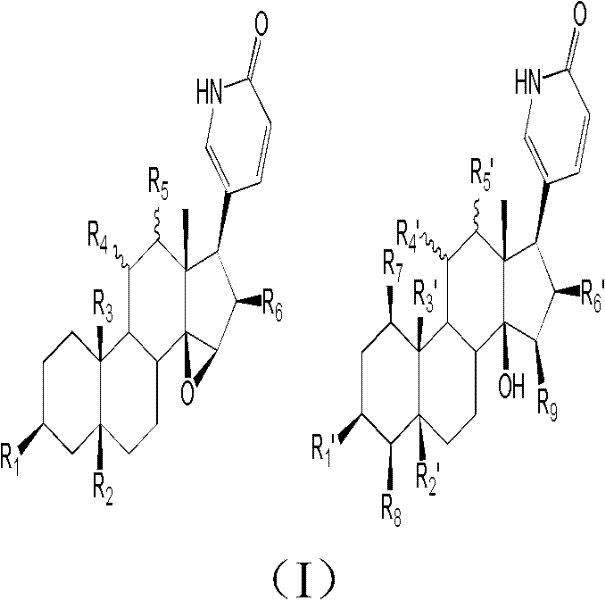
Impurity control is inherently built into this synthetic route due to the specificity of the ammonium acetate reaction conditions. The use of inert gas protection prevents oxidative degradation of the sensitive steroid nucleus, which is a common issue in high-temperature organic synthesis. Additionally, the reaction byproducts are primarily volatile or easily separable salts, simplifying the downstream purification process significantly. The resulting bufolactam compounds demonstrate a distinct impurity profile compared to their lactone precursors, with fewer toxic degradation products observed during stability testing. This cleaner profile reduces the burden on analytical teams during method development and validation phases. For regulatory submissions, having a well-defined and controlled synthetic pathway with minimal genotoxic impurities is a substantial advantage that accelerates approval timelines. The structural integrity of the final product is confirmed through comprehensive spectroscopic analysis, ensuring consistency across production batches.
How to Synthesize Bufolactam Compounds Efficiently
The synthesis protocol outlined in the patent provides a clear roadmap for producing these high-value intermediates with consistent quality. The process begins with the precise weighing of the bufolide starting material and ammonium acetate, ensuring the molar ratio falls within the optimal range of 1:3 to 1:8 for maximum conversion. The mixture is dissolved in a polar aprotic solvent such as dimethylformamide (DMF) and heated in a sealed pressure vessel to maintain the reaction environment. Temperature control is critical, with the reaction typically proceeding between 100°C and 160°C for a duration of 0.5 to 3 hours depending on the specific substrate reactivity. Upon completion, the solvent is removed under reduced pressure, and the crude residue undergoes purification via preparative HPLC to isolate the pure bufolactam derivative. Detailed standardized synthesis steps are provided below for technical reference.
- Mix bufolide compound and ammonium acetate in a molar ratio of 1: 3 to 1:8 using an organic solvent like DMF.
- Heat the mixture at 100-160°C for 0.5 to 3 hours under inert gas protection such as nitrogen.
- Concentrate under reduced pressure and purify the product using preparative high-performance liquid chromatography.
Commercial Advantages for Procurement and Supply Chain Teams
From a procurement and supply chain perspective, this technology offers substantial benefits by leveraging readily available natural starting materials and simplifying the manufacturing workflow. The reliance on ammonium acetate as a key reagent eliminates the need for expensive or hazardous catalysts, directly contributing to cost reduction in pharmaceutical intermediates manufacturing. The simplicity of the workup procedure, involving basic concentration and chromatography, reduces the operational time and labor costs associated with complex multi-step syntheses. This efficiency translates into a more reliable supply chain, as the process is less susceptible to bottlenecks caused by specialized reagent shortages or equipment limitations. Furthermore, the improved safety profile of the end product reduces liability risks and storage requirements, making logistics management more straightforward for global distributors. These factors combined create a compelling economic case for adopting this synthetic route in commercial production environments.
- Cost Reduction in Manufacturing: The elimination of transition metal catalysts and the use of commodity chemicals like ammonium acetate significantly lower the raw material costs per kilogram of product. The streamlined process reduces energy consumption by operating at moderate temperatures and shorter reaction times compared to alternative derivatization methods. Waste generation is minimized due to the high atom economy of the lactamization reaction, leading to lower disposal costs and environmental compliance expenses. Overall, the simplified operational workflow allows for higher throughput with existing infrastructure, maximizing capital efficiency for manufacturing partners.
- Enhanced Supply Chain Reliability: Sourcing bufolide precursors from established natural product suppliers ensures a stable feedstock availability that is less volatile than synthetic starting materials dependent on petrochemical markets. The robustness of the reaction conditions means that production can be maintained consistently across different facilities without significant re-validation efforts. This geographical flexibility allows for diversified manufacturing strategies, reducing the risk of supply disruptions due to regional instabilities or logistical constraints. The high purity of the final product also reduces the need for reprocessing, ensuring that delivery schedules are met reliably without quality-related delays.
- Scalability and Environmental Compliance: The process is inherently scalable from gram-scale laboratory experiments to multi-ton commercial production without requiring fundamental changes to the chemistry. The use of nitrogen protection and standard solvents aligns well with existing safety protocols in modern chemical plants, facilitating easier regulatory approval for new production lines. Reduced toxicity of the final compound also simplifies handling requirements for workers and lowers the environmental impact of potential effluents. This alignment with green chemistry principles enhances the sustainability profile of the supply chain, meeting the increasing demands of environmentally conscious stakeholders.
Frequently Asked Questions (FAQ)
The following questions address common technical and commercial inquiries regarding the production and application of these novel bufolactam compounds. These answers are derived directly from the experimental data and claims presented in the patent documentation to ensure accuracy. They cover aspects ranging from reaction optimization to biological activity profiles, providing a comprehensive overview for decision-makers. Understanding these details is crucial for evaluating the feasibility of integrating this technology into existing drug development pipelines. The responses highlight the practical advantages and technical specifications that differentiate this method from conventional approaches.
Q: How does the bufolactam structure reduce toxicity compared to bufolides?
A: By replacing the oxygen atom in the lactone ring with a nitrogen atom (-NH-), the compound maintains antitumor activity while significantly reducing toxicity to normal cells.
Q: What are the optimal reaction conditions for this lactamization process?
A: The process operates efficiently at temperatures between 100°C and 160°C for 0.5 to 3 hours, using ammonium acetate in a polar organic solvent.
Q: Is this synthesis method scalable for commercial production?
A: Yes, the method uses readily available raw materials and standard equipment like pressure tubes and HPLC, making it suitable for scale-up from lab to industrial levels.
Partnering with NINGBO INNO PHARMCHEM: Your Reliable Bufolactam Supplier
NINGBO INNO PHARMCHEM stands ready to support your development needs with extensive experience scaling diverse pathways from 100 kgs to 100 MT/annual commercial production. Our team specializes in translating complex laboratory patents into robust industrial processes, ensuring that the stringent purity specifications required for oncology intermediates are consistently met. We utilize rigorous QC labs to verify every batch against the highest international standards, guaranteeing the structural integrity and safety of the bufolactam compounds we supply. Our commitment to quality and reliability makes us an ideal partner for long-term strategic collaborations in the pharmaceutical sector.
We invite you to contact our technical procurement team to request specific COA data and route feasibility assessments tailored to your project requirements. Let us provide a Customized Cost-Saving Analysis to demonstrate how our manufacturing capabilities can optimize your supply chain economics. Engaging with our experts early in your development cycle ensures a smoother transition from preclinical research to commercial manufacturing.
Engineering Bottleneck?
Can't scale up this synthesis? Upload your target structure or CAS, and our CDMO team will evaluate the industrial feasibility within 24 hours. Request Evaluation →