
Advanced Fluorinated Oligomers For Stable Polymer End Groups And Commercial Scale-Up
The chemical industry continuously seeks innovations that enhance the performance of fluoropolymers while streamlining manufacturing processes. Patent CN103354814A introduces a groundbreaking composition comprising partially fluorinated polysulfinic acids and their salts, offering a sophisticated solution for initiating polymerization reactions with superior control. This technology addresses the critical need for stable end groups in fluoromonomer polymerization, traditionally a challenging aspect of producing high-performance electronic and industrial materials. By utilizing a novel dehalogenation sulfination process, manufacturers can achieve oligomers that not only initiate polymerization but also integrate seamlessly into the polymer backbone. This dual functionality represents a significant leap forward in material science, providing a robust foundation for developing next-generation fluorinated materials with enhanced durability and performance characteristics suitable for demanding applications.
The Limitations of Conventional Methods vs. The Novel Approach
The Limitations of Conventional Methods
Traditional methods for polymerizing fluoromonomers often rely on separate initiators and emulsifiers, which can lead to complications in the final product quality and processing efficiency. Conventional aqueous emulsion polymerization typically requires the addition of stabilizers that may remain in the final product, potentially compromising the electrical or chemical properties of the fluoropolymer. Furthermore, standard initiators often leave behind unstable polar end groups that can degrade under harsh operating conditions, limiting the lifespan and reliability of the material in critical electronic or aerospace applications. The necessity to remove residual surfactants post-polymerization adds additional processing steps, increasing both production time and operational costs. These inefficiencies highlight the urgent need for a more integrated chemical approach that simplifies the synthesis while enhancing the intrinsic properties of the resulting fluorinated polymers.
The Novel Approach
The innovative methodology described in the patent utilizes fluorohaloolefin monomers that undergo oligomerization during a dehalogenation sulfination process, creating a unique class of polysulfinic acid derivatives. This approach allows for the direct formation of perfluorinated end groups, effectively reducing or eliminating the less stable polar end groups associated with traditional methods. The resulting oligomers can function as polymerizable surfactants, thereby removing the need for separate emulsifier addition and subsequent removal steps. This integration significantly simplifies the manufacturing workflow and enhances the purity of the final polymer product. By controlling the molecular weight and architecture through specific monomer selection, producers can tailor the material properties to meet precise specifications for high-value applications. 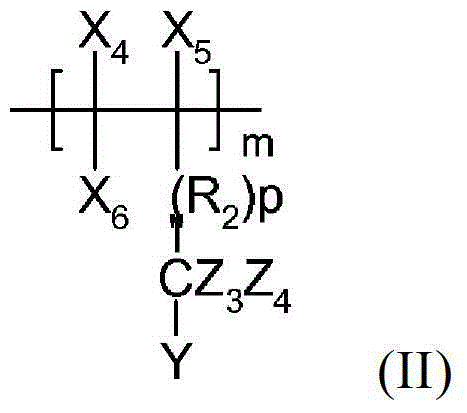
Mechanistic Insights into Dehalogenation Sulfination Oligomerization
The core of this technology lies in the reactive nature of the sulfinating agents used in conjunction with fluorohaloolefin monomers. In solution, these sulfinating agents decompose or hydrolyze to generate highly reactive radicals, radical anions, or reducing intermediates even at moderate temperatures. These active species react with the fluorohaloolefin monomers via the halide end group or the carbon-carbon double bond, forming new radical centers that drive the oligomerization process. This mechanism ensures that the sulfinate groups are incorporated directly into the oligomer chain, providing the necessary functionality for subsequent polymerization initiation. The ability to control the reaction through temperature and solvent selection allows for precise manipulation of the oligomer length and end-group fidelity. Such mechanistic control is essential for producing consistent batches of high-purity intermediates required for sensitive electronic material manufacturing.
Impurity control is a critical aspect of this synthesis, as the multiple reactive sites on the fluorohaloolefin monomers can lead to various side reactions. The process is designed to minimize the formation of unwanted byproducts by carefully managing the molar ratios of monomers to sulfinating agents. The resulting composition primarily comprises segments corresponding to the desired formula, ensuring that the majority of the product mass contributes to the intended performance characteristics. By selecting specific cations and linking groups, manufacturers can further refine the solubility and reactivity profiles of the oligomers. This level of chemical precision ensures that the final fluoropolymer exhibits minimal defects and maximum stability. 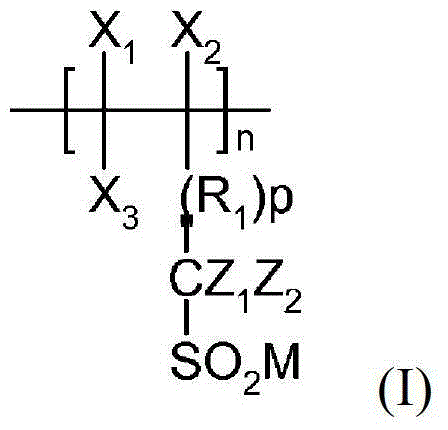
How to Synthesize Partially Fluorinated Polysulfinic Acids Efficiently
Executing this synthesis requires strict adherence to anoxic conditions and precise temperature control to manage the reactivity of the radical intermediates effectively. The process begins with the preparation of a reaction mixture containing water and compatible organic co-solvents, which facilitates the interaction between the organic monomers and inorganic sulfinating agents. Detailed standardized synthesis steps see the guide below.
- Prepare a reaction vessel with water and organic co-solvent, degassing with nitrogen to create an oxygen-free environment.
- Add fluorohaloolefin monomer and sulfinating agent sequentially under nitrogen atmosphere while maintaining controlled temperature.
- Isolate the product via filtration, acidification, and solvent extraction to obtain the purified polysulfinic acid oligomer.
Commercial Advantages for Procurement and Supply Chain Teams
For procurement and supply chain leaders, this technology offers substantial opportunities for optimizing production costs and enhancing supply reliability. The elimination of separate surfactant removal steps translates directly into reduced processing time and lower energy consumption during manufacturing. By integrating the initiation and stabilization functions into a single chemical entity, companies can streamline their raw material inventory and reduce the complexity of their supply chains. This simplification also mitigates the risk of supply disruptions associated with sourcing multiple specialized additives. Furthermore, the ability to produce water-soluble variants allows for more environmentally friendly processing methods, aligning with increasingly stringent global regulatory standards for industrial emissions and waste management.
- Cost Reduction in Manufacturing: The integration of initiator and surfactant functionalities eliminates the need for expensive post-polymerization purification steps, leading to significant operational savings. By reducing the number of unit operations required to produce high-quality fluoropolymers, manufacturers can lower their overall production costs substantially. This efficiency gain is particularly valuable in large-scale commercial production where marginal improvements in process flow result in considerable financial benefits. Additionally, the use of readily available starting materials and standard reaction conditions further contributes to a favorable cost structure for the final product.
- Enhanced Supply Chain Reliability: Utilizing a versatile chemical platform that can be adapted for various monomer types ensures a stable and continuous supply of critical intermediates. The robustness of the synthesis method against variations in raw material quality helps maintain consistent output levels, reducing the risk of production delays. This reliability is crucial for downstream customers who depend on timely deliveries to meet their own manufacturing schedules. By establishing a resilient supply chain for these advanced oligomers, companies can better navigate market fluctuations and maintain competitive advantage in the global marketplace.
- Scalability and Environmental Compliance: The process is designed for easy scale-up from laboratory to industrial production without compromising product quality or safety standards. The use of aqueous systems and the potential for recycling solvents align with green chemistry principles, reducing the environmental footprint of the manufacturing process. This compliance with environmental regulations not only avoids potential fines but also enhances the brand reputation of the manufacturer among eco-conscious clients. Scalability ensures that demand surges can be met efficiently, supporting long-term growth strategies in the high-performance materials sector.
Frequently Asked Questions (FAQ)
The following questions address common technical and commercial inquiries regarding the implementation of this patented technology in industrial settings. These answers are derived directly from the experimental data and claims presented in the patent documentation to ensure accuracy and relevance. Understanding these details helps stakeholders make informed decisions about adopting this advanced chemical solution.
Q: How does this technology improve polymer stability compared to conventional initiators?
A: This method generates perfluorinated end groups by reducing or eliminating less stable polar end groups, resulting in polymers with improved thermal and chemical stability.
Q: Can these oligomers function as both initiators and surfactants?
A: Yes, the reaction products can serve as polymerizable surfactants or initiators, potentially eliminating the need for post-polymerization surfactant removal steps.
Q: What is the solubility profile of the resulting fluorinated oligomers?
A: The products can be engineered to be water-soluble, with solid dispersion in water ranging significantly depending on the specific cation and chain length selected.
Partnering with NINGBO INNO PHARMCHEM: Your Reliable Partially Fluorinated Polysulfinic Acids Supplier
NINGBO INNO PHARMCHEM stands at the forefront of translating complex chemical innovations into commercial reality, leveraging extensive experience scaling diverse pathways from 100 kgs to 100 MT/annual commercial production. Our technical team possesses the expertise to adapt the synthesis of partially fluorinated polysulfinic acids to meet specific client requirements while maintaining stringent purity specifications. We operate rigorous QC labs to ensure that every batch meets the highest standards of quality and consistency required for electronic and specialty chemical applications. Our commitment to excellence ensures that our partners receive materials that perform reliably in their most demanding processes.
We invite you to contact our technical procurement team to discuss how this technology can benefit your specific manufacturing needs. Request a Customized Cost-Saving Analysis to understand the potential economic impact of switching to this integrated initiator-surfactant system. Our experts are ready to provide specific COA data and route feasibility assessments to support your decision-making process. Partner with us to secure a competitive edge in the production of advanced fluoropolymers and drive your innovation forward.