
Advanced Synthesis of Glyoxylylspermidine: Technical Upgrade and Commercial Scalability for Global Supply Chains
Advanced Synthesis of Glyoxylylspermidine: Technical Upgrade and Commercial Scalability for Global Supply Chains
The pharmaceutical industry continuously seeks robust synthetic routes for complex polyamine intermediates, particularly those serving as precursors to potent immunosuppressive and anticancer agents. Patent CN1010944B discloses a novel method for preparing glyoxylylspermidine, a critical intermediate in the synthesis of Spergualin and its analogs like 15-deoxy Spergualin. This technology represents a significant departure from traditional extraction or multi-step protection strategies, offering a streamlined pathway that leverages selective oxidative cleavage. For R&D Directors and Procurement Managers evaluating supply chain resilience, this patent provides a blueprint for manufacturing high-purity pharmaceutical intermediates with enhanced economic efficiency. The core innovation lies in the ability to generate the reactive glyoxyl functionality directly from stable diol precursors, thereby circumventing the instability and handling difficulties associated with free aldehyde intermediates in large-scale production environments.
The Limitations of Conventional Methods vs. The Novel Approach
The Limitations of Conventional Methods
Historically, the production of glyoxylylspermidine relied heavily on the hydrolysis of naturally derived Spergualin or the condensation of glyoxylic acid with spermidine derivatives. The extraction from microbial nutrient solutions, such as those from Bacillus laterosporus, presents severe bottlenecks for industrial scale-up due to the tedious purification and separation processes required to isolate the target molecule from complex fermentation broths. Furthermore, chemical synthesis using glyoxylic acid necessitates the introduction of aldehyde protecting groups, such as acetals or hydrazones, to prevent unwanted polymerization or side reactions during amide bond formation. This protection-deprotection sequence not only extends the production timeline significantly but also introduces additional reagents and waste streams, complicating the environmental compliance profile and driving up the overall cost of goods sold for the final active pharmaceutical ingredient.
The Novel Approach
The methodology outlined in the patent data introduces a paradigm shift by utilizing selective oxidative cleavage of carbon-carbon bonds in vicinal diol precursors. By starting with readily available compounds like tartaric acid or serine derivatives, the synthesis bypasses the need for aldehyde protection entirely. The oxidative cleavage reaction, typically mediated by periodate reagents, cleanly generates the desired glyoxyl moiety in the final steps of the sequence. This approach drastically simplifies the operational workflow, reducing the number of unit operations and minimizing the exposure of sensitive intermediates to harsh conditions. For supply chain heads, this translates to a more predictable manufacturing schedule and reduced dependency on specialized reagents, as the starting materials are commodity chemicals with stable global availability, ensuring consistent supply continuity for downstream drug manufacturing.
Mechanistic Insights into Selective Oxidative Cleavage
The core chemical transformation in this process involves the oxidative cleavage of the carbon-carbon bond between adjacent hydroxyl groups, a reaction classically known as Malaprade oxidation. When applied to the specific polyamine precursors described in the patent, reagents such as sodium metaperiodate (NaIO4) or periodic acid selectively attack the vicinal diol structure without affecting other sensitive functional groups like the amide bonds or the distal amine functionalities. This chemoselectivity is paramount for maintaining the structural integrity of the spermidine backbone while installing the reactive aldehyde handle required for subsequent coupling with guanidino fatty acid amides. The reaction proceeds through a cyclic periodate ester intermediate, which subsequently fragments to yield the carbonyl compounds. Understanding this mechanism allows process chemists to optimize stoichiometry and reaction time, ensuring complete conversion while minimizing the formation of over-oxidized byproducts that could complicate downstream purification.
Impurity control is managed through a combination of precise pH regulation and advanced chromatographic techniques. The patent details the use of ion-exchange resins like CM-Sephadex and Sephadex LH-20 to separate the target glyoxylylspermidine from inorganic salts and unreacted starting materials. Since the oxidative cleavage generates stoichiometric amounts of iodate byproducts, the purification strategy must effectively remove these inorganic species to meet stringent pharmaceutical purity specifications. The use of aqueous workups and gradient elution with salt solutions allows for the selective retention and elution of the polyamine product based on its charge state at specific pH levels. This level of control over the impurity profile is critical for R&D teams, as it ensures that the intermediate meets the rigorous quality standards required for the synthesis of clinical-grade anticancer substances, thereby reducing the risk of batch failures in later production stages.
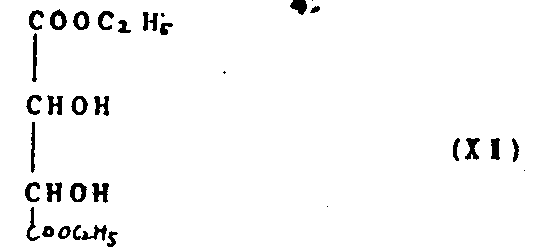
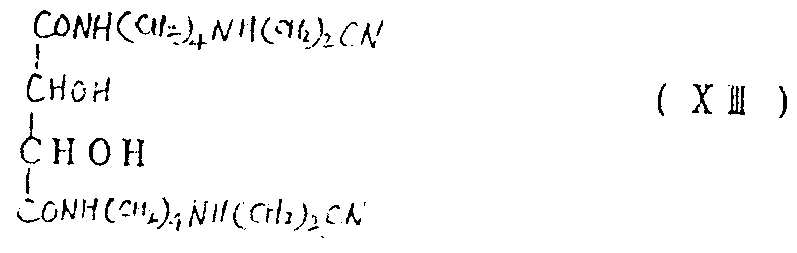
In the context of the tartaric acid route, the starting material diethyl tartrate serves as a chiral pool precursor that dictates the stereochemistry of the final product. The structure shown above highlights the vicinal diol motif that is essential for the oxidative cleavage step. By utilizing this abundant natural product derivative, the synthesis leverages existing chirality, potentially avoiding the need for expensive chiral resolution steps later in the process. The conversion of this diester into the bis-amide intermediate involves nucleophilic attack by the amine component, followed by reduction of the nitrile groups to primary amines. This sequence builds the polyamine chain efficiently before the final oxidative unmasking of the aldehyde. The robustness of this chemical architecture ensures that the process can be scaled from laboratory benchtop quantities to multi-ton commercial production without significant re-engineering of the reaction parameters.
How to Synthesize Glyoxylylspermidine Efficiently
The synthesis of glyoxylylspermidine via this novel route involves a sequence of condensation, reduction, and oxidation steps that are amenable to standard chemical manufacturing equipment. The process begins with the amidation of tartaric acid derivatives with cyanoethylated diamines, followed by the catalytic reduction of the nitrile groups to form the spermidine backbone. The final and most critical step is the oxidative cleavage using periodate reagents under controlled pH conditions to yield the target glyoxyl compound. Detailed standard operating procedures for each unit operation, including specific solvent volumes, temperature profiles, and purification protocols, are essential for technology transfer. The following guide outlines the high-level workflow for implementing this synthesis in a GMP-compliant facility, ensuring reproducibility and safety.
- Condense diethyl tartrate or serine derivatives with cyanoethylputrescine to form the amide backbone.
- Reduce the cyano groups to aminomethyl groups using catalytic hydrogenation or borohydride reduction.
- Perform selective oxidative cleavage of the vicinal diol moiety using sodium metaperiodate to generate the glyoxyl group.
Commercial Advantages for Procurement and Supply Chain Teams
From a commercial perspective, the adoption of this oxidative cleavage methodology offers substantial strategic advantages for procurement and supply chain management. By eliminating the need for aldehyde protecting groups, the process removes several costly unit operations, including the purchase of protecting reagents and the solvents required for their removal. This simplification directly correlates to a reduction in raw material costs and a decrease in the overall environmental footprint of the manufacturing process. For procurement managers, this means a more competitive cost structure for the intermediate, allowing for better margin management in the final drug product. Furthermore, the reliance on commodity chemicals like tartaric acid and serine mitigates the risk of supply disruptions associated with specialized or proprietary reagents, ensuring a stable and reliable supply chain for long-term production contracts.
- Cost Reduction in Manufacturing: The elimination of protection and deprotection steps significantly reduces the consumption of reagents and solvents, leading to lower variable costs per kilogram of product. The streamlined process also reduces labor hours and equipment occupancy time, enhancing overall plant efficiency. By avoiding the use of expensive glyoxylic acid derivatives and complex purification sequences associated with natural extraction, the manufacturing cost is drastically optimized. This economic efficiency allows for more flexible pricing strategies and improved competitiveness in the global market for pharmaceutical intermediates, providing a clear financial advantage over traditional synthesis routes.
- Enhanced Supply Chain Reliability: The use of widely available starting materials such as diethyl tartrate and cyanoethylputrescine ensures that raw material sourcing is not a bottleneck. These commodities are produced by multiple suppliers globally, reducing the risk of single-source dependency. The robustness of the chemical process, which tolerates aqueous conditions and standard workup procedures, further enhances reliability by minimizing the potential for batch failures due to sensitive reaction conditions. This stability is crucial for supply chain heads who must guarantee continuous delivery to downstream API manufacturers, preventing costly production stoppages and ensuring patient access to essential medications.
- Scalability and Environmental Compliance: The process is designed for scalability, utilizing reaction conditions that are easily transferable from pilot plant to commercial scale. The use of aqueous workups and ion-exchange chromatography reduces the reliance on large volumes of hazardous organic solvents, aligning with modern green chemistry principles. This reduction in solvent waste simplifies waste treatment protocols and lowers the cost of environmental compliance. The ability to scale up without significant changes to the reaction mechanism ensures that the supply can grow in tandem with market demand, supporting the commercial expansion of the final therapeutic products without requiring major capital investment in new specialized infrastructure.
Frequently Asked Questions (FAQ)
The following questions address common technical and commercial inquiries regarding the production of glyoxylylspermidine using the patented oxidative cleavage method. These answers are derived directly from the technical specifications and experimental data provided in the patent documentation, offering clarity on process feasibility and quality control. Understanding these aspects is vital for stakeholders evaluating the integration of this intermediate into their supply chain. The responses highlight the practical benefits of the technology while addressing potential concerns regarding purity and scalability.
Q: Why is the oxidative cleavage method superior to traditional glyoxylic acid condensation?
A: Traditional methods require complex protection and deprotection of the aldehyde group in glyoxylic acid. The oxidative cleavage method generates the aldehyde in situ from diols, eliminating these steps and reducing cost.
Q: What are the primary raw materials for this synthesis route?
A: The process utilizes inexpensive and widely available starting materials such as diethyl tartrate, L-serine, and cyanoethylputrescine, ensuring stable supply chain continuity.
Q: How is product purity maintained during the oxidation step?
A: Purity is ensured through precise pH control during the periodate oxidation and subsequent purification using ion-exchange chromatography like CM-Sephadex columns.
Partnering with NINGBO INNO PHARMCHEM: Your Reliable Glyoxylylspermidine Supplier
The technical potential of this oxidative cleavage route for glyoxylylspermidine is immense, offering a pathway to high-purity intermediates essential for the synthesis of advanced anticancer agents. NINGBO INNO PHARMCHEM, as a seasoned CDMO expert, possesses the extensive experience scaling diverse pathways from 100 kgs to 100 MT/annual commercial production required to bring this chemistry to life. Our facility is equipped with stringent purity specifications and rigorous QC labs capable of handling complex polyamine chemistries and oxidative transformations. We understand the critical nature of this intermediate in the pharmaceutical value chain and are committed to delivering consistent quality that meets the exacting standards of global regulatory bodies, ensuring that your drug development programs proceed without interruption.
We invite you to initiate a dialogue regarding your specific supply chain optimization needs. Our technical procurement team is ready to provide a Customized Cost-Saving Analysis tailored to your volume requirements and quality specifications. By partnering with us, you gain access to specific COA data and route feasibility assessments that validate the commercial viability of this synthesis method for your projects. Contact us today to discuss how we can support your production goals with reliable, cost-effective, and high-quality glyoxylylspermidine, securing your position in the competitive pharmaceutical market.
Engineering Bottleneck?
Can't scale up this synthesis? Upload your target structure or CAS, and our CDMO team will evaluate the industrial feasibility within 24 hours. Request Evaluation →