
Advanced Bimetallic Catalytic Synthesis of N-Phenyl-p-Phenylenediamine for Industrial Scale Production
The chemical manufacturing landscape for high-performance aromatic amines is undergoing a significant transformation driven by the need for more efficient and robust catalytic systems. Patent CN1177799C introduces a groundbreaking methodology for the preparation of substituted aromatic amines, specifically focusing on N-phenyl-p-phenylenediamine (PPDA), which serves as a critical intermediate in various industrial applications. This technology leverages a sophisticated two-step process involving oxidative dimerization followed by catalytic reduction, utilizing a unique metal pentacyano ferrated(II) complex system. The core innovation lies in the deployment of a bimetallic catalyst comprising Group VIII metals, such as platinum in combination with ruthenium, which addresses longstanding issues of catalyst poisoning and excessive catalyst consumption found in legacy methods. For R&D directors and procurement specialists, this patent represents a viable pathway to achieving higher purity profiles and improved process economics without compromising on reaction selectivity or yield. The integration of water-soluble ligands and specific oxidation conditions allows for a streamlined workflow that is highly amenable to commercial scale-up, positioning this technology as a cornerstone for modern specialty chemical production facilities seeking to optimize their manufacturing capabilities.
The Limitations of Conventional Methods vs. The Novel Approach
The Limitations of Conventional Methods
Historically, the production of p-phenylenediamine and its derivatives has relied on methods that suffer from significant technical drawbacks, particularly regarding selectivity and conversion efficiency. Prior art, such as the methods disclosed in British Patent 1,400,767 and EP261,096, utilized alkali metal ferricyanides which often resulted in low selectivity and failed to achieve high conversion rates, leading to substantial waste and increased downstream purification costs. Furthermore, other oxidative dimerization approaches employing hypohalite oxidizing agents, as seen in EP272,238, introduced complications related to halogenated byproducts and environmental compliance burdens. A critical failure point in these conventional single-metal catalyst systems, such as those using only palladium or ruthenium on carbon supports, is their high susceptibility to catalyst poisoning. As demonstrated in comparative data, monometallic ruthenium catalysts can experience severe deactivation, with reaction completion stalling at significantly low percentages like 39.5% within standard timeframes, necessitating excessive catalyst loading to drive the reaction to completion. This inefficiency not only escalates raw material costs but also creates bottlenecks in production scheduling, making it difficult for supply chain managers to guarantee consistent delivery timelines for high-volume orders.
The Novel Approach
The novel approach detailed in the patent data overcomes these historical limitations through the strategic implementation of a bimetallic catalyst system combined with a specific pentacyanoferrate(II) complex mediation. This method facilitates the oxidative dimerization of arylamines, such as aniline, under controlled conditions using oxygen or hydrogen peroxide, followed by a highly efficient hydrogenation step. The use of a catalyst containing at least two Group VIII metals, preferably platinum in combination with ruthenium, either on a single carbon support or separately, provides a synergistic effect that dramatically enhances reaction kinetics. 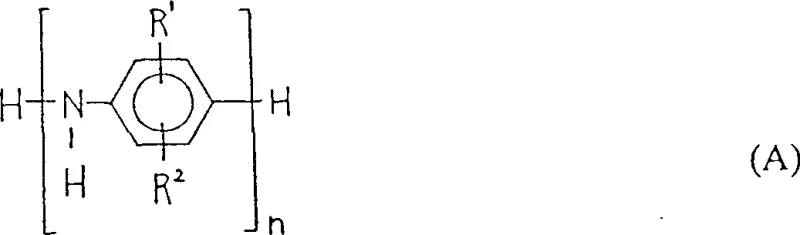 This structural advantage allows the process to achieve near-quantitative conversion rates, such as 99.2% completion within just 60 minutes using significantly reduced catalyst loading compared to monometallic alternatives. The ability to operate effectively at lower catalyst concentrations, potentially reducing usage by over 300% compared to single-metal systems, translates directly into substantial cost savings and reduced heavy metal waste. For procurement teams, this translates to a more predictable cost structure and a reduction in the dependency on expensive precious metals, while the robust nature of the catalyst ensures that production runs can be completed with minimal interruption, thereby enhancing overall supply chain reliability and operational continuity for large-scale manufacturing plants.
Mechanistic Insights into Pt/Ru Bimetallic Catalytic Reduction
The mechanistic superiority of this process is rooted in the specific interaction between the bimetallic catalyst and the reaction intermediates formed during the oxidative dimerization phase. The initial step involves the oxidation of an arylamine solution, defined by general formula (B) where substituents can vary, in the presence of a water-soluble metal pentacyanoferrate(II) complex to form an arylene diaminopentacyanoferrate intermediate. 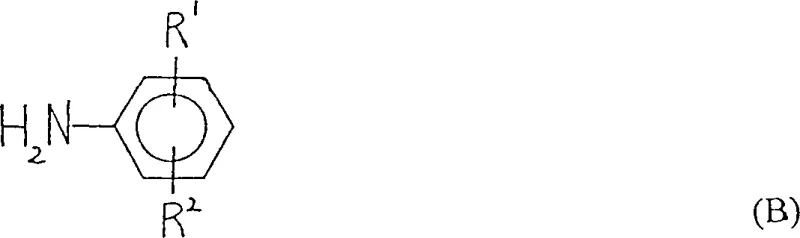 This intermediate is then subjected to reduction using a reducing agent like hydrogen in the presence of the bimetallic catalyst. The inclusion of ruthenium in the catalyst matrix is not merely additive but functional; ruthenium acts as an effective metal for the selective absorption of catalytic poisons such as sodium nitrite and nitrogen oxide type impurities that are generated during the oxidation of ammonia ligands. This protective mechanism prevents the deactivation of the primary active metal, platinum, allowing it to maintain high hydrogenation activity over extended periods. Furthermore, ruthenium serves as an electron donor for the pentacyanoammine iron(II) salt complex, facilitating the electron transfer required for the reduction reaction to proceed efficiently. This dual functionality ensures that the reaction rate remains high even in the presence of impurities that would typically halt a monometallic system, providing R&D directors with a robust process window that tolerates minor variations in feedstock quality without compromising final product purity or yield.
Impurity control is a critical aspect of this mechanistic design, as the presence of nitrogenous byproducts can severely impact the quality of the final aromatic amine product. The bimetallic catalyst system effectively mitigates the formation and accumulation of these impurities by promoting their selective absorption and subsequent neutralization within the catalyst lattice. This results in a cleaner reaction profile, reducing the burden on downstream purification steps such as distillation or crystallization, which are often energy-intensive and costly. The process operates within a specific temperature range of 5°C to 70°C and hydrogen pressures of 1 to 100 atm, conditions that are optimized to balance reaction rate with catalyst stability. Higher temperatures might degrade the complex, while lower temperatures reduce solubility and reaction kinetics; the bimetallic system allows for operation at the optimal 25°C to 50°C range with maximum efficiency. For quality assurance teams, this means a more consistent impurity profile in the final product, reducing the risk of batch rejection and ensuring that the material meets the stringent specifications required for high-performance polymer additives and specialty chemical applications.
How to Synthesize N-Phenyl-p-Phenylenediamine Efficiently
The synthesis of N-phenyl-p-phenylenediamine via this patented route involves a carefully orchestrated sequence of oxidation and reduction steps that maximize yield while minimizing resource consumption. The process begins with the preparation of the water-soluble pentacyanoferrate(II) complex, which acts as a mediator for the oxidative dimerization of the arylamine feedstock. Detailed standard operating procedures for the preparation of this complex involve precise control of pH and temperature to ensure the stability of the iron-ligand coordination sphere. Following the formation of the intermediate complex, the reaction mixture is subjected to hydrogenation using the specialized bimetallic catalyst. The operational parameters, including oxygen pressure during oxidation and hydrogen pressure during reduction, are critical to achieving the reported high conversion rates. While the general principles are outlined here, the specific stoichiometric ratios, mixing rates, and separation techniques required for industrial implementation are complex and require specialized engineering knowledge.
- Oxidize arylamine solution using oxygen or hydrogen peroxide in the presence of a water-soluble metal pentacyanoferrate(II) complex to form an intermediate complex.
- Reduce the intermediate arylene diaminopentacyanoferrate complex using hydrogen gas in the presence of a heterogeneous bimetallic catalyst containing Group VIII metals.
- Separate the organic layer containing the product and recover the aqueous catalyst layer for recycling to ensure process efficiency.
Commercial Advantages for Procurement and Supply Chain Teams
From a commercial perspective, the adoption of this bimetallic catalytic technology offers profound advantages for procurement managers and supply chain heads looking to optimize their sourcing strategies and reduce total cost of ownership. The primary benefit lies in the drastic reduction of catalyst consumption, as the bimetallic system achieves comparable or superior conversion rates with significantly lower loading compared to traditional monometallic catalysts. This reduction in precious metal usage directly translates to lower raw material costs and decreased exposure to the volatility of platinum and ruthenium markets. Furthermore, the enhanced resistance to catalyst poisoning means that catalyst life is extended, reducing the frequency of catalyst replacement and the associated downtime for reactor cleaning and reloading. This operational stability allows for longer continuous production runs, which is essential for meeting large-volume supply contracts without interruption. The ability to recycle the aqueous layer containing the iron complex further contributes to cost efficiency by minimizing waste disposal costs and reducing the consumption of fresh reagents. For supply chain planners, this translates to a more predictable and resilient production schedule, reducing the risk of stockouts and ensuring reliable delivery to downstream customers in the polymer and specialty chemical sectors.
- Cost Reduction in Manufacturing: The implementation of the Pt/Ru bimetallic catalyst system eliminates the need for excessive catalyst loading, which is a common requirement in conventional single-metal processes to overcome poisoning effects. By utilizing a catalyst that is inherently resistant to deactivation by nitrite impurities, the process achieves high conversion rates with a fraction of the metal mass, leading to substantial savings on precious metal procurement. Additionally, the improved selectivity reduces the formation of byproducts that require expensive separation and purification steps, further lowering the overall processing cost per kilogram of product. The qualitative improvement in process efficiency means that energy consumption per unit of output is also reduced, as reaction times are shortened and thermal loads are optimized. This comprehensive cost optimization strategy ensures that the manufacturing process remains economically viable even in fluctuating market conditions, providing a competitive edge in pricing for bulk chemical supply contracts.
- Enhanced Supply Chain Reliability: The robustness of the bimetallic catalyst against poisoning ensures consistent reaction performance, which is critical for maintaining steady production output and meeting delivery commitments. Unlike monometallic systems that may suffer from sudden deactivation and require unscheduled maintenance or catalyst change-outs, this technology offers a stable operational window that supports continuous manufacturing campaigns. The ability to recycle the aqueous catalyst phase also reduces dependency on external suppliers for fresh complex reagents, insulating the production line from supply chain disruptions related to raw material availability. This self-sustaining aspect of the process enhances the overall reliability of the supply chain, allowing manufacturers to promise and deliver on tight lead times for high-purity aromatic amines. For procurement managers, this reliability reduces the need for safety stock and allows for leaner inventory management, freeing up working capital for other strategic investments.
- Scalability and Environmental Compliance: The process is designed with scalability in mind, utilizing standard unit operations such as pressurized oxidation and hydrogenation that are well-understood in the fine chemical industry. The use of oxygen or hydrogen peroxide as oxidants generates water as a byproduct, which is environmentally benign compared to halogenated waste streams from older methods. The reduced catalyst loading and extended catalyst life minimize the generation of spent catalyst waste, simplifying disposal and compliance with environmental regulations. Furthermore, the aqueous nature of the initial oxidation step allows for easier handling and safer scale-up compared to purely organic solvent-based systems. This alignment with green chemistry principles not only reduces regulatory risk but also enhances the sustainability profile of the product, which is increasingly important for downstream customers in regulated industries. The combination of operational safety, environmental compliance, and ease of scale-up makes this technology an ideal candidate for expanding production capacity to meet growing global demand.
Frequently Asked Questions (FAQ)
The following questions address common technical and commercial inquiries regarding the implementation of this catalytic technology for aromatic amine production. These answers are derived directly from the experimental data and process descriptions found in the patent literature, providing a factual basis for decision-making. Understanding the specific advantages of the bimetallic system over conventional methods is crucial for evaluating the feasibility of technology transfer or licensing. The data supports the claim that significant improvements in reaction kinetics and catalyst stability are achievable without compromising product quality.
Q: How does the bimetallic catalyst improve upon conventional monometallic systems?
A: The bimetallic Pt/Ru catalyst demonstrates superior resistance to poisoning by nitrite impurities compared to single-metal Pt or Ru catalysts, allowing for lower catalyst loading and faster reaction completion times.
Q: What are the typical reaction conditions for the oxidative dimerization step?
A: The oxidation step typically operates at temperatures between 5°C and 70°C under oxygen pressures ranging from 30 to 1000 psig, utilizing water-soluble pentacyanoferrate complexes.
Q: Is the aqueous catalyst layer recyclable in this process?
A: Yes, the process design allows for the separation of the organic product layer, enabling the aqueous layer containing the pentacyanoammine ferrate(II) complex to be recovered and recycled.
Partnering with NINGBO INNO PHARMCHEM: Your Reliable N-Phenyl-p-Phenylenediamine Supplier
At NINGBO INNO PHARMCHEM, we recognize the critical importance of adopting advanced catalytic technologies to maintain competitiveness in the global specialty chemical market. Our team of expert engineers and chemists possesses extensive experience scaling diverse pathways from 100 kgs to 100 MT/annual commercial production, ensuring that innovative laboratory processes like the bimetallic Pt/Ru catalytic system can be successfully translated into robust industrial operations. We are committed to delivering products that meet stringent purity specifications through our rigorous QC labs, which utilize state-of-the-art analytical instrumentation to verify every batch. Our capability to handle complex synthesis routes involving sensitive intermediates and specialized catalysts positions us as a strategic partner for pharmaceutical and polymer companies seeking reliable supply chains. By leveraging our infrastructure, clients can accelerate their time-to-market for new products while minimizing the technical risks associated with process scale-up.
We invite you to engage with our technical procurement team to discuss how we can support your specific supply chain needs with a Customized Cost-Saving Analysis tailored to your volume requirements. We encourage potential partners to request specific COA data and route feasibility assessments to verify our capability to produce high-purity aromatic amines consistent with the advanced methods described in patent CN1177799C. Our goal is to establish a long-term partnership that drives mutual growth through technical excellence and operational reliability. Contact us today to initiate a dialogue on optimizing your aromatic amine supply chain with our proven manufacturing expertise.
Engineering Bottleneck?
Can't scale up this synthesis? Upload your target structure or CAS, and our CDMO team will evaluate the industrial feasibility within 24 hours. Request Evaluation →