
Scalable Synthesis of Alpha-Beta Unsaturated Carboxylic Acids via Economical Cuprous Halide Catalysis
Scalable Synthesis of Alpha-Beta Unsaturated Carboxylic Acids via Economical Cuprous Halide Catalysis
The chemical industry is currently witnessing a paradigm shift towards sustainable carbon fixation technologies, driven by the urgent need to utilize greenhouse gases like carbon dioxide as viable C1 building blocks. Patent CN111217693A introduces a groundbreaking methodology for the preparation of α,β-unsaturated carboxylic acids through the carboxylation of alkenyl boron compounds catalyzed by cuprous halides. This innovation represents a significant leap forward in organometallic chemistry, offering a robust alternative to traditional synthesis routes that often rely on expensive catalysts or harsh reaction conditions. By leveraging carbon dioxide as a renewable feedstock, this process not only aligns with green chemistry principles but also opens new avenues for the cost-effective production of high-value intermediates used in the fragrance, agrochemical, and pharmaceutical sectors. The technical depth of this patent suggests a mature understanding of catalytic cycles, ensuring that the transition from laboratory scale to industrial application is both feasible and economically sound for forward-thinking chemical enterprises.
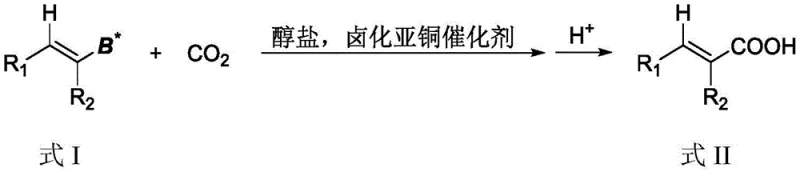
For R&D directors and process chemists, the implications of this technology are profound, particularly regarding the versatility of the substrate scope and the operational simplicity of the catalytic system. The patent details a comprehensive range of alkenyl boron compounds, including boronic acids, pinacol esters, and trifluoroborates, which can be efficiently converted into their corresponding carboxylic acid derivatives. This breadth of compatibility is crucial for process development teams who require flexible synthetic routes capable of handling diverse molecular architectures without necessitating extensive re-optimization. Furthermore, the use of readily available cuprous halides such as copper(I) chloride eliminates the dependency on proprietary or synthetically complex ligand systems, thereby simplifying the supply chain for critical reagents. As we delve deeper into the mechanistic and commercial aspects of this invention, it becomes evident that this methodology offers a compelling value proposition for manufacturers seeking to enhance their portfolio of fine chemical intermediates while adhering to stringent environmental and economic constraints.
The Limitations of Conventional Methods vs. The Novel Approach
The Limitations of Conventional Methods
Historically, the carboxylation of organoboron compounds with carbon dioxide has been plagued by significant technical and economic hurdles that limit its widespread industrial adoption. Traditional methods often necessitate the use of sophisticated and costly catalyst systems, such as copper-nitrogen heterocyclic carbene complexes, which are not only expensive to synthesize but also sensitive to air and moisture, complicating their handling on a large scale. Moreover, prior art frequently exhibits a narrow substrate scope, typically restricted to specific arylboronic acids while failing to accommodate more versatile alkenyl boron species or protected boronate esters like pinacol esters. These limitations force process chemists to resort to multi-step synthetic sequences or stoichiometric organometallic reagents, which generate substantial amounts of hazardous waste and drive up the overall cost of goods sold. Additionally, many conventional protocols require high pressures of carbon dioxide or elevated temperatures that exceed the thermal stability of sensitive functional groups, leading to decomposition and reduced yields. The reliance on such restrictive conditions creates a bottleneck in the supply chain, making it difficult to secure reliable sources of key intermediates for time-sensitive pharmaceutical and agrochemical projects.
The Novel Approach
In stark contrast to these legacy technologies, the novel approach disclosed in patent CN111217693A utilizes a simple yet highly effective cuprous halide catalytic system that operates under remarkably mild conditions. By employing inexpensive copper(I) salts in conjunction with alkoxide bases, this method achieves efficient carboxylation across a broad spectrum of alkenyl boron substrates, including those previously deemed unreactive. The process tolerates a wide array of functional groups and structural motifs, from simple linear alkenyl chains to complex heterocyclic and polycyclic systems, demonstrating exceptional universality. Operational simplicity is another hallmark of this innovation, as the reaction can be conducted in common polar aprotic solvents like N,N-dimethylacetamide at moderate temperatures ranging from 25°C to 120°C. This flexibility allows for easier integration into existing manufacturing infrastructure without the need for specialized high-pressure equipment or cryogenic cooling systems. Consequently, this novel approach not only streamlines the synthetic workflow but also significantly lowers the barrier to entry for producing high-purity α,β-unsaturated carboxylic acids, positioning it as a superior choice for modern chemical manufacturing.
Mechanistic Insights into Cuprous Halide Catalyzed Carboxylation
The catalytic cycle underpinning this transformation involves a sophisticated interplay between the copper center, the alkenyl boron species, and carbon dioxide, facilitated by the alkoxide base. Initially, the alkoxide activates the cuprous halide catalyst, generating a reactive copper-alkoxide species that undergoes transmetallation with the alkenyl boron compound. This critical step transfers the alkenyl group to the copper center, forming an organocopper intermediate that is poised for nucleophilic attack. Subsequently, carbon dioxide inserts into the carbon-copper bond, a process that is thermodynamically favorable under the applied pressure conditions, resulting in a copper carboxylate species. The final step involves protonolysis or acidification workup, which releases the desired α,β-unsaturated carboxylic acid product and regenerates the active copper catalyst for the next turnover. Understanding this mechanism is vital for optimizing reaction parameters, as the balance between transmetallation rates and CO2 insertion kinetics dictates the overall efficiency and selectivity of the process. The patent data suggests that the choice of alkoxide base, particularly potassium methoxide, plays a pivotal role in facilitating the transmetallation step, thereby enhancing the reaction rate and yield.
From an impurity control perspective, the robustness of this catalytic system minimizes the formation of side products such as homocoupling dimers or protodeboronation byproducts, which are common pitfalls in copper-catalyzed reactions. The mild reaction conditions prevent thermal degradation of sensitive substrates, ensuring that the final product profile remains clean and易于 purification. Furthermore, the use of stoichiometric alkoxide helps to scavenge any acidic impurities that might inhibit the catalyst, maintaining a consistent reaction environment throughout the batch. For quality assurance teams, this translates to a more predictable impurity profile, simplifying the downstream purification processes such as crystallization or chromatography. The ability to tolerate various protecting groups, such as Boc or benzyl groups on nitrogen-containing heterocycles, further underscores the chemoselectivity of this method. This level of control is essential for the synthesis of complex pharmaceutical intermediates where structural integrity and purity are non-negotiable requirements for regulatory compliance and downstream biological activity.
How to Synthesize Alpha-Beta Unsaturated Carboxylic Acid Efficiently
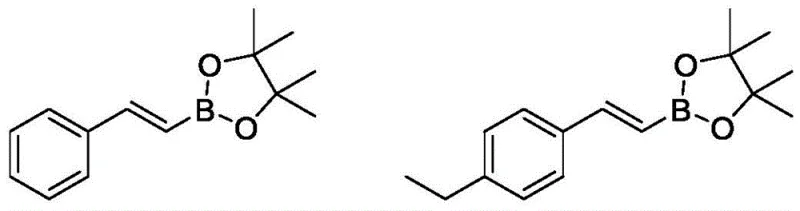
The practical implementation of this carboxylation method is designed to be straightforward and scalable, making it accessible for both laboratory research and pilot plant operations. The general procedure involves dissolving the alkenyl boron compound, the alkoxide base, and the cuprous halide catalyst in a suitable organic solvent under an inert atmosphere to prevent oxidation of the copper species. Once the homogeneous mixture is prepared, the reaction vessel is sealed and pressurized with carbon dioxide, followed by heating to the optimal temperature range to initiate the catalytic cycle. After the reaction reaches completion, typically monitored by TLC or HPLC, the mixture is subjected to an acidic workup to protonate the carboxylate salt and liberate the free acid. The detailed standardized synthesis steps, including specific molar ratios, solvent volumes, and purification techniques for various substrates, are outlined in the section below to guide process engineers in replicating these results with high fidelity.
- Dissolve the alkenyl boron compound, alkoxide base, and cuprous halide catalyst in an organic solvent such as DMAc under inert atmosphere.
- Seal the reaction system and pressurize with carbon dioxide to 1-10 atm, then stir at 25-120°C for 12-36 hours.
- Acidify the reaction mixture with inorganic acid, extract with organic solvent, and purify via column chromatography to isolate the product.
Commercial Advantages for Procurement and Supply Chain Teams
For procurement managers and supply chain leaders, the adoption of this cuprous halide catalyzed carboxylation technology offers tangible strategic benefits that extend beyond mere technical feasibility. The primary advantage lies in the drastic simplification of the raw material supply chain, as the key catalyst, cuprous chloride, is a commodity chemical available in bulk quantities at a fraction of the cost of specialized ligand-copper complexes. This shift from proprietary catalysts to off-the-shelf reagents mitigates the risk of supply disruptions and price volatility, ensuring a stable and predictable cost structure for long-term production contracts. Furthermore, the utilization of carbon dioxide as a C1 source transforms a waste product into a valuable resource, potentially qualifying the manufacturing process for carbon credits or sustainability incentives that are increasingly valued by global stakeholders. The operational simplicity of the process, which avoids extreme pressures or temperatures, reduces the capital expenditure required for reactor infrastructure and lowers energy consumption, contributing to a leaner and more agile manufacturing footprint.
- Cost Reduction in Manufacturing: The elimination of expensive nitrogen-heterocyclic carbene ligands and the use of low-loading cuprous halide catalysts significantly lower the direct material costs associated with the synthesis of α,β-unsaturated carboxylic acids. By replacing complex catalytic systems with simple copper salts, manufacturers can achieve substantial savings on reagent procurement without sacrificing reaction efficiency or product quality. Additionally, the high atom economy of using CO2 as a reactant minimizes waste generation, reducing the costs associated with waste disposal and environmental compliance. The mild reaction conditions also translate to lower energy bills, as less heating or cooling is required to maintain the optimal reaction window. These cumulative cost efficiencies allow for more competitive pricing strategies in the global market for fine chemical intermediates, enhancing the overall profitability of the production line.
- Enhanced Supply Chain Reliability: Relying on widely available commodity chemicals like CuCl and potassium methoxide ensures a resilient supply chain that is less susceptible to geopolitical tensions or single-source bottlenecks. Unlike specialized catalysts that may have long lead times or limited suppliers, the reagents for this process can be sourced from multiple vendors globally, providing procurement teams with greater flexibility and negotiating power. The robustness of the reaction against variations in substrate structure means that a single standardized protocol can be applied to a diverse range of intermediates, simplifying inventory management and reducing the need for specialized storage conditions. This reliability is crucial for maintaining continuous production schedules and meeting the just-in-time delivery requirements of downstream pharmaceutical and agrochemical clients who depend on consistent supply flows.
- Scalability and Environmental Compliance: The process is inherently scalable, having been demonstrated to work effectively with various substrate concentrations and reactor configurations, facilitating a smooth transition from gram-scale optimization to ton-scale commercial production. The use of carbon dioxide aligns with global sustainability goals, offering a greener alternative to traditional carboxylation methods that rely on toxic cyanides or corrosive acids. This environmental stewardship not only enhances the corporate social responsibility profile of the manufacturer but also future-proofs the operation against tightening environmental regulations. The simplified workup and purification procedures reduce the volume of organic solvents required, further minimizing the environmental footprint and associated disposal costs. Such attributes make this technology an ideal candidate for green chemistry certifications and sustainable sourcing initiatives demanded by top-tier multinational corporations.
Frequently Asked Questions (FAQ)
The following questions address common technical and commercial inquiries regarding the implementation of this cuprous halide catalyzed carboxylation technology. These insights are derived directly from the patent specifications and experimental data, providing clarity on substrate compatibility, reaction optimization, and potential applications. Understanding these nuances is essential for technical teams evaluating the feasibility of integrating this method into their existing synthetic workflows. The answers reflect the current state of the art as described in the intellectual property, serving as a reliable reference for initial process assessment and risk analysis.
Q: What are the advantages of using cuprous halide over copper-NHC catalysts?
A: Cuprous halides like CuCl are significantly more economical and commercially available compared to complex copper-nitrogen heterocyclic carbene catalysts, reducing raw material costs without compromising catalytic efficiency for alkenyl boron substrates.
Q: Can this method accommodate pinacol borate esters?
A: Yes, the patented process demonstrates wide substrate universality, successfully converting alkenyl boronic acid pinacol esters and potassium trifluoroborates into corresponding carboxylic acids, overcoming limitations of previous arylboronic acid-specific methods.
Q: What are the typical reaction conditions for this carboxylation?
A: The reaction typically proceeds under mild conditions using 1-10 atm of CO2 pressure and temperatures between 25-120°C, often utilizing potassium methoxide as the base in solvents like N,N-dimethylacetamide.
Partnering with NINGBO INNO PHARMCHEM: Your Reliable Alpha-Beta Unsaturated Carboxylic Acid Supplier
At NINGBO INNO PHARMCHEM, we recognize the transformative potential of the cuprous halide catalyzed carboxylation technology in reshaping the landscape of fine chemical synthesis. As a premier CDMO partner, we possess the technical expertise and infrastructure to seamlessly translate this innovative patent methodology into robust commercial processes. Our team of seasoned chemists is adept at optimizing reaction parameters to maximize yield and purity, ensuring that every batch meets the rigorous standards required by the pharmaceutical and agrochemical industries. We boast extensive experience scaling diverse pathways from 100 kgs to 100 MT/annual commercial production, leveraging our state-of-the-art facilities to deliver consistent quality at scale. Our commitment to excellence is underpinned by stringent purity specifications and rigorous QC labs that employ advanced analytical techniques to verify the identity and potency of every intermediate produced.
We invite forward-thinking partners to collaborate with us to harness the full potential of this cost-effective and sustainable synthesis route. Whether you are looking to optimize an existing supply chain or develop a new intermediate from scratch, our technical procurement team is ready to provide a Customized Cost-Saving Analysis tailored to your specific project needs. We encourage you to reach out to us to request specific COA data and route feasibility assessments that demonstrate how our capabilities align with your strategic goals. By partnering with NINGBO INNO PHARMCHEM, you gain access to a reliable supply of high-quality α,β-unsaturated carboxylic acids, secured by a manufacturing process that prioritizes efficiency, sustainability, and economic viability.