
Advanced Ruthenium-Catalyzed Synthesis of Silicon-Containing Fused Heterocyclic Compounds for Commercial Scale-Up
Advanced Ruthenium-Catalyzed Synthesis of Silicon-Containing Fused Heterocyclic Compounds for Commercial Scale-Up
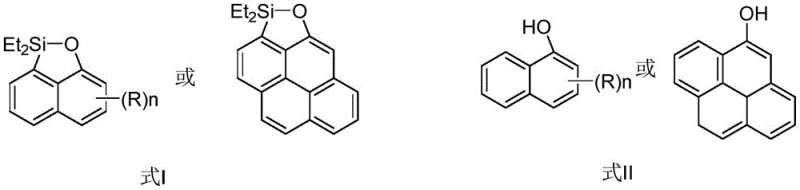
The pharmaceutical and fine chemical industries are constantly seeking innovative pathways to construct complex heterocyclic scaffolds, particularly those incorporating silicon atoms to enhance metabolic stability and lipophilicity in drug candidates. Patent CN115215895A introduces a groundbreaking preparation method for five-membered silicon-containing fused heterocyclic compounds, addressing critical limitations in current organosilicon synthesis. This technology leverages a cost-effective ruthenium catalyst system to facilitate intramolecular C-Si bond formation, offering a robust alternative to expensive rhodium or iridium-based protocols. By utilizing readily available starting materials such as naphthol derivatives and diethylsilane, this process achieves high reaction yields under manageable thermal conditions. The strategic inclusion of unsaturated olefins further optimizes the catalytic cycle, ensuring efficient conversion to the desired fused heterocyclic structures. For R&D teams and procurement specialists, this patent represents a significant opportunity to streamline the production of high-purity pharmaceutical intermediates while drastically reducing raw material costs associated with precious metal catalysts.
The Limitations of Conventional Methods vs. The Novel Approach
The Limitations of Conventional Methods
Historically, the construction of silicon-containing heterocycles has relied heavily on transition metal-catalyzed C-H silylation strategies, predominantly utilizing rhodium or iridium complexes. While these noble metals exhibit high catalytic activity for aromatic C(sp2)-H bond activation, their widespread industrial application is severely hindered by exorbitant costs and supply chain volatility. Furthermore, existing methodologies often focus on homocyclic C-Si cyclization, limiting the structural diversity accessible to medicinal chemists exploring silicon-switch strategies in drug design. The reliance on iridium catalysts, which typically operate via Ir(I) or Ir(III) active species, necessitates rigorous purification steps to remove trace metal residues that could compromise the safety profile of final API products. Additionally, many conventional routes suffer from moderate yields and require harsh reaction conditions that are difficult to scale safely in a commercial manufacturing environment. These factors collectively create substantial bottlenecks in the supply of complex organosilicon intermediates, driving up the cost of goods for downstream pharmaceutical applications.
The Novel Approach
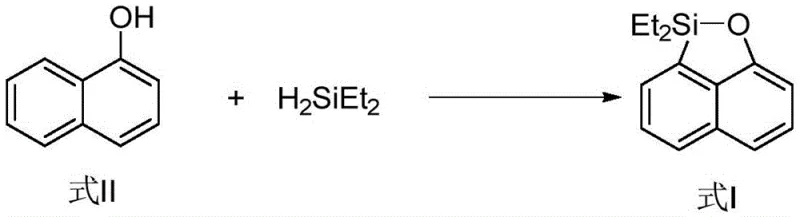
In stark contrast to traditional noble metal methods, the disclosed invention employs a ruthenium catalyst system to achieve efficient heterocyclic C-Si cyclization with superior economic viability. This novel approach creatively utilizes relatively low-cost ruthenium complexes, such as tris(triphenylphosphine)carbonyl ruthenium dihydride, which operate through distinct Ru(0), Ru(II), or Ru(IV) catalytic cycles. The addition of unsaturated olefins, such as norbornene, plays a pivotal role in promoting the reaction, enabling the synthesis of five-membered silicon-oxygen-containing fused heterocycles that are otherwise challenging to access. Experimental data from the patent indicates that this method not only matches but often exceeds the yields of precious metal counterparts, with Example 1 demonstrating an impressive 93% yield under optimized conditions. The process is characterized by its operational simplicity, requiring only a single reaction step without the need for isolating unstable intermediates, thereby significantly reducing labor and time investments. This streamlined workflow positions the technology as a highly attractive solution for the commercial scale-up of complex silicon-containing building blocks.
Mechanistic Insights into Ruthenium-Catalyzed C-Si Cyclization
The mechanistic pathway of this ruthenium-catalyzed transformation involves a sophisticated sequence of oxidative addition, migratory insertion, and reductive elimination steps that differ fundamentally from iridium-mediated processes. The ruthenium catalyst initially undergoes oxidative addition with the Si-H bond of diethylsilane, generating a reactive ruthenium-silyl hydride species. This active intermediate then coordinates with the aromatic substrate, facilitating C-H activation at the ortho-position relative to the hydroxyl group. The presence of the unsaturated olefin is critical, as it likely assists in stabilizing the catalytic cycle or participating in transient coordination that lowers the activation energy for ring closure. Unlike iridium catalysts that favor specific oxidation states, the flexibility of ruthenium to access multiple oxidation states (0, II, IV) allows for a more versatile catalytic manifold capable of tolerating diverse electronic environments on the substrate. This mechanistic robustness ensures that the reaction proceeds efficiently even with substrates bearing electron-withdrawing or electron-donating substituents, maintaining high turnover numbers throughout the process.
From an impurity control perspective, the specificity of the ruthenium catalyst minimizes the formation of side products such as polysilylated species or non-cyclized silyl ethers. The reaction conditions, typically conducted under nitrogen protection at temperatures between 50°C and 150°C, are mild enough to prevent thermal degradation of sensitive functional groups while providing sufficient energy for the cyclization event. The use of common organic solvents like toluene or xylene further simplifies the workup procedure, allowing for easy removal of the solvent and catalyst residues via standard purification techniques like column chromatography or crystallization. High-resolution mass spectrometry and NMR data confirm the structural integrity of the products, showing clean spectra with no detectable traces of regioisomers or decomposition byproducts. This high level of selectivity is crucial for pharmaceutical applications where strict impurity profiles are mandated by regulatory agencies, ensuring that the final intermediates meet stringent quality standards without extensive downstream processing.
How to Synthesize Five-Membered Silicon-Containing Fused Heterocyclic Compounds Efficiently
To implement this synthesis effectively, operators should follow the optimized protocol detailed in the patent examples, which balances reagent stoichiometry with thermal parameters to maximize yield. The process begins by charging a reaction vessel with the naphthol derivative, diethylsilane, and a slight excess of the unsaturated olefin promoter in a dry, oxygen-free solvent system. The addition of the ruthenium catalyst, typically at a loading of 2 to 20 mol%, initiates the transformation upon heating. Maintaining an inert atmosphere is essential to prevent catalyst deactivation, and precise temperature control ensures consistent reaction kinetics. While the general procedure is robust, minor adjustments to reaction time or solvent choice may be required for specific substrates to achieve optimal results. For a comprehensive breakdown of the standardized operating procedures and safety precautions, please refer to the detailed synthesis guide below.
- Combine the naphthol derivative (Formula II), diethylsilane (H2SiEt2), an unsaturated olefin such as norbornene, and a ruthenium catalyst in a suitable solvent like toluene.
- Maintain the reaction mixture under an inert atmosphere, such as nitrogen protection, to prevent oxidation of sensitive intermediates.
- Heat the reaction mixture to a temperature between 50°C and 150°C, typically around 120°C, and stir for 12 to 36 hours to achieve high conversion yields.
Commercial Advantages for Procurement and Supply Chain Teams
For procurement managers and supply chain directors, the adoption of this ruthenium-catalyzed methodology offers transformative benefits in terms of cost structure and supply reliability. The primary advantage lies in the substitution of expensive rhodium and iridium catalysts with significantly more affordable ruthenium complexes, which directly translates to reduced raw material expenditures per kilogram of product. Since the catalyst loading is relatively low and the metal itself is less costly, the overall cost of goods sold (COGS) for these silicon-containing intermediates can be substantially decreased. Furthermore, the simplified one-pot nature of the reaction eliminates the need for multiple isolation and purification steps, reducing solvent consumption, waste generation, and labor hours required for production. This efficiency gain not only lowers operational costs but also shortens the manufacturing cycle time, allowing for faster response to market demand fluctuations. By integrating this technology, companies can secure a more stable supply of critical intermediates without being exposed to the price volatility associated with scarce precious metals.
- Cost Reduction in Manufacturing: The shift from precious metal catalysts to base metal ruthenium systems dramatically lowers the capital investment required for catalyst procurement. Since the process does not require expensive ligand systems or specialized equipment beyond standard heating and stirring capabilities, the barrier to entry for manufacturing is significantly reduced. The high yields reported, such as the 93% achieved in Example 1, mean that less starting material is wasted, further enhancing the economic efficiency of the process. Additionally, the ability to use common solvents like toluene avoids the need for specialized or hazardous solvent handling infrastructure, contributing to overall cost savings in facility operations and maintenance.
- Enhanced Supply Chain Reliability: Ruthenium is more abundant and geographically diverse in supply compared to rhodium or iridium, mitigating the risk of supply disruptions due to geopolitical tensions or mining constraints. The starting materials, including various naphthol derivatives and diethylsilane, are commercially available from multiple global suppliers, ensuring a resilient supply chain. The robustness of the reaction conditions allows for production in standard chemical manufacturing facilities without requiring niche expertise, making it easier to qualify multiple contract manufacturing organizations (CMOs). This diversification of supply sources ensures continuity of supply for downstream pharmaceutical customers who rely on consistent availability of these key intermediates for their drug development pipelines.
- Scalability and Environmental Compliance: The process is inherently scalable, as demonstrated by the use of standard Schlenk tubes in the examples which can be directly translated to larger reactor vessels. The absence of toxic heavy metals like rhodium reduces the environmental burden associated with waste disposal and effluent treatment, aligning with green chemistry principles. Lower catalyst loading and the potential for catalyst recovery or recycling further minimize the environmental footprint of the manufacturing process. The simplified workup procedure reduces the volume of organic waste generated, facilitating compliance with increasingly stringent environmental regulations. This sustainability profile makes the technology attractive for companies aiming to reduce their carbon footprint and meet corporate social responsibility goals while maintaining high production volumes.
Frequently Asked Questions (FAQ)
The following questions address common technical and commercial inquiries regarding the implementation of this patented synthesis method. These answers are derived directly from the experimental data and technical specifications provided in the patent documentation to ensure accuracy and relevance for industry stakeholders. Understanding these details is essential for evaluating the feasibility of adopting this technology for your specific production needs.
Q: Why is ruthenium preferred over rhodium or iridium for this silylation reaction?
A: Ruthenium catalysts are significantly more cost-effective than noble metal rhodium or iridium complexes. Additionally, the patent demonstrates that ruthenium facilitates a distinct catalytic cycle involving Ru(0), Ru(II), or Ru(IV) species, enabling efficient heterocyclic C-Si cyclization that differs mechanistically from traditional iridium-catalyzed homocyclic reactions.
Q: What is the role of the unsaturated olefin in this synthesis?
A: The unsaturated olefin, such as norbornene, acts as a crucial additive that promotes the catalytic cycle. Its presence allows for the creative synthesis of five-membered silicon-oxygen-containing fused heterocyclic compounds under relatively mild conditions, enhancing the overall reaction yield and efficiency.
Q: Can this method tolerate various functional groups on the naphthol substrate?
A: Yes, the method exhibits excellent functional group tolerance. The patent data confirms successful synthesis with substrates containing halogens (bromo, chloro), alkoxy groups (methoxy), and extended aromatic systems like pyrene, yielding products with high purity and structural integrity.
Partnering with NINGBO INNO PHARMCHEM: Your Reliable Five-Membered Silicon-Containing Fused Heterocyclic Compound Supplier
At NINGBO INNO PHARMCHEM, we recognize the immense potential of silicon-containing heterocycles in next-generation drug discovery and are fully equipped to bring this innovative ruthenium-catalyzed technology to commercial reality. Our team possesses extensive experience scaling diverse pathways from 100 kgs to 100 MT/annual commercial production, ensuring that your project transitions smoothly from laboratory bench to industrial plant. We maintain stringent purity specifications and operate rigorous QC labs to guarantee that every batch of high-purity pharmaceutical intermediates meets the exacting standards required by global regulatory bodies. Our commitment to quality and consistency makes us the ideal partner for organizations seeking to leverage this cost-effective synthesis route for their silicon-switch drug candidates.
We invite you to engage with our technical procurement team to discuss how this technology can optimize your supply chain and reduce manufacturing costs. By requesting a Customized Cost-Saving Analysis, you can gain detailed insights into the economic benefits specific to your volume requirements. We encourage you to contact us today to obtain specific COA data and route feasibility assessments tailored to your project timeline. Let us collaborate to accelerate the development of your silicon-based therapeutics with a reliable and efficient supply partner dedicated to your success.