
Advanced Synthetic Routes For Zanamivir And Laninamivir Intermediates Enabling Commercial Scale Production
The pharmaceutical industry continuously seeks robust and scalable synthetic pathways for critical antiviral agents, particularly neuraminidase inhibitors like Zanamivir and Laninamivir. Patent CN111018901A discloses a groundbreaking methodology for synthesizing key intermediates of these drugs, addressing long-standing challenges in efficiency and safety. This innovation represents a significant leap forward in the manufacturing of high-purity pharmaceutical intermediates, offering a viable alternative to traditional routes that are often plagued by low yields and hazardous reagents. By leveraging advanced asymmetric catalysis and streamlined coupling reactions, this technology ensures the precise construction of complex molecular architectures required for potent antiviral activity. The strategic design of this synthesis not only enhances the chemical purity but also optimizes the overall process economics, making it an attractive option for reliable pharmaceutical intermediate supplier networks aiming to secure stable production lines for global health demands.
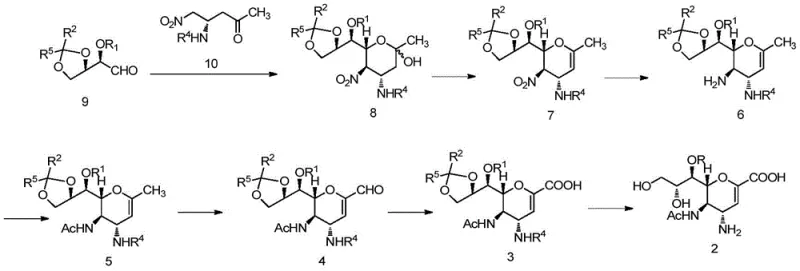
The Limitations of Conventional Methods vs. The Novel Approach
The Limitations of Conventional Methods
Historically, the synthesis of Zanamivir and Laninamivir has relied heavily on N-acetylneuraminic acid as a starting material, a strategy that presents substantial bottlenecks for industrial application. The availability of N-acetylneuraminic acid is limited and costly, creating supply chain vulnerabilities that can disrupt the manufacturing of essential antiviral medications. Furthermore, conventional routes frequently employ explosive azide reagents for introducing nitrogen atoms, posing severe safety risks during large-scale operations. These methods often involve lengthy linear sequences with numerous protection and deprotection steps, resulting in poor atom economy and low total yields. The accumulation of impurities throughout these extended processes necessitates rigorous and expensive purification protocols, further driving up the cost of goods. Additionally, the use of harsh reaction conditions in traditional methods can compromise the stereochemical integrity of the molecule, leading to products with suboptimal chiral purity that fail to meet stringent regulatory standards for active pharmaceutical ingredients.
The Novel Approach
In stark contrast, the methodology outlined in patent CN111018901A introduces a paradigm shift by utilizing cheap and easily accessible raw materials such as nitro compounds and simple ketones. This novel approach eliminates the dependency on scarce natural precursors, thereby stabilizing the supply chain and reducing raw material costs significantly. The synthetic route is characterized by fewer steps and milder reaction conditions, which collectively enhance the total yield and operational safety. By avoiding explosive azides and employing safer catalytic systems, the process mitigates industrial hazards, facilitating smoother scale-up from laboratory to commercial production. The strategic use of asymmetric catalysis ensures high enantiomeric excess from the early stages of synthesis, minimizing the formation of unwanted stereoisomers and simplifying downstream purification. This streamlined workflow not only accelerates the production timeline but also aligns with green chemistry principles by reducing waste generation and energy consumption, ultimately delivering a more sustainable and cost-effective solution for cost reduction in API manufacturing.
Mechanistic Insights into Asymmetric Michael Addition and Copper-Catalyzed Coupling
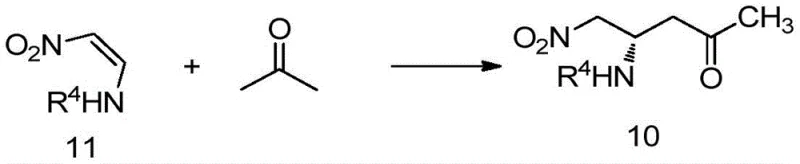
The core of this innovative synthesis lies in the precise control of stereochemistry through advanced catalytic mechanisms, specifically the asymmetric Michael addition and subsequent copper-catalyzed coupling reactions. The process initiates with a highly enantioselective Michael addition between a nitroalkene and a ketone, mediated by a sophisticated Jacobsen-type organocatalyst. This catalytic system creates a chiral environment that directs the nucleophilic attack to a specific face of the electrophile, establishing critical chiral centers with exceptional fidelity. The resulting nitro compound serves as a versatile building block, retaining the stereochemical information necessary for the biological activity of the final drug. Following this, a copper-catalyzed coupling reaction connects this chiral fragment with a protected sugar derivative, effectively constructing the core carbon skeleton of the neuraminidase inhibitor. The copper catalyst facilitates the formation of carbon-carbon bonds under mild conditions, preserving the sensitive functional groups present in the molecule. This dual-catalytic strategy ensures that the complex molecular architecture is assembled with high precision, minimizing side reactions and maximizing the yield of the desired diastereomer.
Furthermore, the mechanistic pathway includes carefully orchestrated oxidation and reduction steps that fine-tune the oxidation state of the intermediate without compromising its structural integrity. The use of specific oxidants like selenium dioxide and chlorous acid allows for the selective transformation of alcohol groups to aldehydes or carboxylic acids, which are crucial for the subsequent cyclization and functionalization steps. Impurity control is inherently built into this mechanism through the high selectivity of the catalysts and the mildness of the reagents, which prevent the degradation of the product or the formation of difficult-to-remove byproducts. The final deprotection steps are designed to be orthogonal, removing protecting groups sequentially without affecting other parts of the molecule. This level of mechanistic sophistication guarantees that the final intermediate possesses the high chiral purity and chemical homogeneity required for clinical applications, thereby reducing the burden on quality control laboratories and ensuring batch-to-batch consistency in commercial scale-up of complex organic molecules.
How to Synthesize Zanamivir And Laninamivir Intermediates Efficiently
The efficient synthesis of these critical intermediates requires a deep understanding of the reaction parameters and a strict adherence to the optimized conditions described in the patent. The process begins with the preparation of the chiral nitro compound via asymmetric catalysis, followed by its coupling with the sugar moiety. Subsequent transformations involve dehydration to form the double bond, reduction of the nitro group to an amine, and acetylation to protect the nitrogen. The final stages include oxidation to introduce the carboxylic acid functionality and global deprotection to reveal the active hydroxyl groups. Each step must be monitored closely using analytical techniques such as HPLC or NMR to ensure complete conversion and high purity. The detailed standardized synthesis steps see below guide.
- Perform asymmetric Michael addition using a Jacobsen catalyst to establish chiral centers with high enantiomeric excess.
- Execute copper-catalyzed coupling reactions between nitro compounds and protected sugar derivatives to build the core skeleton.
- Conduct dehydration, reduction, and acetylation steps followed by final deprotection to yield the target intermediate.
Commercial Advantages for Procurement and Supply Chain Teams
For procurement managers and supply chain leaders, the adoption of this synthetic route offers transformative benefits that extend beyond mere chemical efficiency. The primary advantage lies in the substantial cost savings achieved through the use of inexpensive and abundant starting materials, which decouples production from the volatile pricing of specialized natural extracts. By eliminating the need for hazardous azide reagents, the process significantly lowers the barriers to entry for manufacturing facilities, reducing the capital expenditure required for specialized safety infrastructure and insurance. This enhancement in operational safety translates directly into improved supply chain reliability, as the risk of production stoppages due to safety incidents is markedly diminished. Moreover, the shortened synthetic sequence reduces the overall processing time and resource consumption, allowing for faster turnaround times and more responsive inventory management. The high total yield and excellent purity profile minimize material loss and waste disposal costs, contributing to a more sustainable and economically viable production model. These factors collectively strengthen the resilience of the supply chain, ensuring a continuous and reliable flow of high-quality intermediates to meet global pharmaceutical demands.
- Cost Reduction in Manufacturing: The utilization of cheap raw materials such as nitroalkenes and acetone derivatives replaces expensive natural precursors, leading to a drastic decrease in the cost of goods sold. The streamlined process reduces the number of unit operations, lowering labor and utility costs while minimizing solvent usage and waste treatment expenses. This economic efficiency allows for competitive pricing strategies without compromising on quality, making it an ideal solution for cost reduction in API manufacturing where margin pressure is constant.
- Enhanced Supply Chain Reliability: By sourcing materials that are commercially available in bulk quantities, the risk of supply disruptions is significantly mitigated. The robust nature of the synthetic route ensures consistent output even under varying production scales, providing procurement teams with greater predictability in lead times. The elimination of hazardous reagents simplifies logistics and storage requirements, further enhancing the stability of the supply network and reducing the administrative burden associated with handling dangerous goods.
- Scalability and Environmental Compliance: The mild reaction conditions and high atom economy of this method facilitate seamless scale-up from pilot plants to full commercial production without the need for extensive process re-engineering. The reduced generation of hazardous waste aligns with increasingly stringent environmental regulations, lowering compliance costs and improving the corporate sustainability profile. This scalability ensures that production capacity can be rapidly expanded to meet surges in demand, such as during flu seasons, without sacrificing product quality or environmental standards.
Frequently Asked Questions (FAQ)
The following questions address common inquiries regarding the technical and commercial implications of this patented synthesis method. These answers are derived directly from the experimental data and beneficial effects described in the patent documentation, providing clarity on how this technology can be integrated into existing manufacturing frameworks. Understanding these aspects is crucial for stakeholders evaluating the feasibility of adopting this new route for their production pipelines. The insights provided here aim to bridge the gap between laboratory innovation and industrial application, ensuring that all technical concerns are adequately addressed before implementation.
Q: How does this new synthesis method improve safety compared to traditional routes?
A: Traditional methods often rely on explosive azide reagents and hazardous ring-opening reactions. This patented route utilizes safer nitro compounds and mild catalytic conditions, significantly reducing operational risks in large-scale manufacturing.
Q: What are the cost advantages of this synthetic pathway?
A: The process starts from cheap and readily available raw materials such as nitroalkenes and acetone derivatives, avoiding expensive natural product precursors like N-acetylneuraminic acid, thereby drastically lowering the overall production cost.
Q: Is this method suitable for industrial scale-up?
A: Yes, the method features mild reaction conditions, short synthetic steps, and high total yields with excellent chiral purity, making it highly suitable for commercial scale-up and consistent supply chain reliability.
Partnering with NINGBO INNO PHARMCHEM: Your Reliable Zanamivir And Laninamivir Intermediate Supplier
At NINGBO INNO PHARMCHEM, we recognize the critical importance of having a dependable partner for the production of complex pharmaceutical intermediates. Our team possesses extensive experience scaling diverse pathways from 100 kgs to 100 MT/annual commercial production, ensuring that your supply needs are met with precision and consistency. We are committed to maintaining stringent purity specifications and operating rigorous QC labs to guarantee that every batch meets the highest international standards. Our expertise in implementing advanced catalytic technologies allows us to deliver high-purity pharmaceutical intermediates that are ready for immediate use in downstream API synthesis. By partnering with us, you gain access to a robust supply chain capable of adapting to your specific volume requirements while maintaining the highest levels of quality and safety.
We invite you to contact our technical procurement team to discuss how we can support your specific project needs. Request a Customized Cost-Saving Analysis to understand the potential economic benefits of switching to this optimized synthetic route for your operations. Our experts are ready to provide specific COA data and route feasibility assessments tailored to your production goals. Let us help you secure a stable and cost-effective supply of Zanamivir and Laninamivir intermediates, ensuring your continued success in the competitive pharmaceutical market.