
Advanced Green Catalysis for Scalable Sulfonyl Pyridine Amide Derivatives Manufacturing
The pharmaceutical and agrochemical industries are constantly seeking robust, sustainable pathways for constructing carbon-sulfur bonds, a critical structural motif found in numerous bioactive molecules. Patent CN112142656B introduces a groundbreaking methodology for the synthesis of sulfonyl pyridine amide derivatives, utilizing a novel heterogeneous biomass-supported copper catalyst. This technology represents a significant leap forward in green chemistry, replacing traditional homogeneous catalytic systems that often suffer from metal contamination and difficult separation processes. By leveraging chitosan-derived carbon nano-catalysts, this invention enables the efficient coupling of arylamines and sodium sulfinates under remarkably mild conditions. The strategic implementation of this protocol allows for the production of high-purity intermediates essential for drugs like sumatriptan and agrochemicals like mesotrione, addressing the growing demand for environmentally benign manufacturing processes in the fine chemical sector.
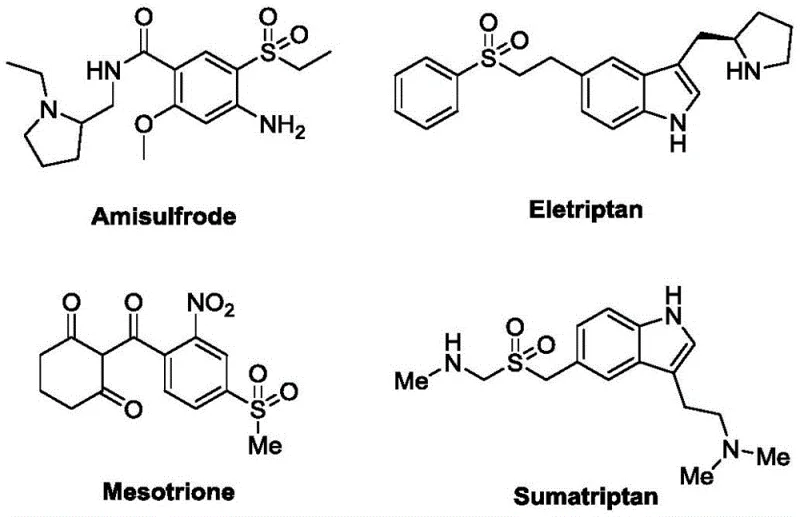
The development of reliable sulfonyl pyridine amide supplier capabilities hinges on overcoming the inherent limitations of conventional sulfone synthesis. Traditional methods typically rely on the oxidation of sulfides, alkylation of sulfinates, or Friedel-Crafts sulfonation, which frequently necessitate the use of stoichiometric amounts of toxic reagents or expensive noble metal catalysts. These legacy processes often operate under harsh thermal conditions and require rigorous exclusion of moisture and oxygen, leading to complex operational protocols and increased safety risks. Furthermore, the removal of residual heavy metals from the final product to meet stringent pharmaceutical purity specifications adds significant cost and time to the downstream processing. The presence of these barriers has historically constrained the scalability and economic viability of producing complex sulfur-containing heterocycles for commercial applications.
In stark contrast, the novel approach detailed in the patent utilizes a heterogeneous biomass-loaded copper catalyst that operates efficiently at room temperature. This method employs a simple acetone-water solvent system and utilizes air as the terminal oxidant source, drastically simplifying the reaction setup. The core innovation lies in the catalyst design, where copper species are anchored onto a chitosan carbon matrix, creating a robust active site that facilitates the C-S coupling without leaching significant amounts of metal into the solution. This not only enhances the atom economy of the reaction but also streamlines the workup procedure, as the catalyst can be removed via simple filtration. The ability to tolerate a wide range of functional groups, including halogens and electron-withdrawing substituents, makes this route exceptionally versatile for synthesizing diverse libraries of pharmaceutical intermediates.
Mechanistic Insights into Heterogeneous Biomass-Supported Copper Catalysis
The catalytic cycle likely involves the activation of the sodium sulfinate by the copper species on the chitosan support to generate a sulfonyl radical intermediate. The use of persulfate oxidants, such as potassium persulfate, plays a crucial role in regenerating the active copper species and driving the radical propagation. The unique electronic environment provided by the nitrogen-doped carbon framework of the calcined chitosan stabilizes the copper nanoparticles, preventing aggregation and maintaining high catalytic turnover numbers. This stabilization is critical for sustaining the reaction efficiency over multiple cycles, as evidenced by the patent data showing consistent performance after five consecutive runs. The mechanistic pathway avoids the formation of stable metal-sulfur complexes that often poison homogeneous catalysts, thereby ensuring a continuous and rapid conversion of starting materials into the desired sulfonyl products.
Impurity control is inherently superior in this heterogeneous system due to the physical separation of the catalyst from the reaction mixture. In homogeneous catalysis, trace metals often coordinate with the product or byproducts, requiring extensive purification steps like scavenging resins or recrystallization to meet regulatory limits. Here, the solid catalyst is filtered off using diatomite, leaving the crude product largely free of heavy metal contaminants. Additionally, the mild reaction conditions minimize thermal degradation of sensitive functional groups, reducing the formation of decomposition byproducts. The selectivity of the reaction is further enhanced by the specific interaction between the substrate and the catalyst surface, which favors the desired C-S bond formation over potential side reactions such as homocoupling of the sulfinate. This results in a cleaner crude profile, facilitating easier downstream purification and higher overall isolated yields.

How to Synthesize Sulfonyl Pyridine Amide Efficiently
The synthesis protocol outlined in the patent provides a standardized approach for producing these valuable intermediates with high reproducibility. The process begins with the preparation of the specific catalyst variant, such as Cu-Cu2O@CS-400, which is optimized for maximum activity. The reaction is then conducted by combining the arylamide substrate and the sodium sulfinate salt in the designated solvent mixture with the necessary oxidant and silver additive. The simplicity of the procedure, requiring only stirring at ambient temperature, makes it highly attractive for both laboratory optimization and pilot plant operations. For detailed operational parameters and specific stoichiometric ratios required to achieve optimal conversion, please refer to the standardized synthesis guide below.
- Prepare the heterogeneous biomass-supported copper catalyst (e.g., Cu-Cu2O@CS-400) by loading copper acetate onto chitosan followed by calcination.
- Mix the arylamine substrate (Formula II), sodium sulfinate (Formula III), oxidant (e.g., K2S2O8), additive (e.g., Ag2CO3), and catalyst in an acetone/water solvent system.
- Stir the reaction mixture at room temperature under air, then filter, extract, and purify via column chromatography to obtain the target sulfonyl pyridine amide.
Commercial Advantages for Procurement and Supply Chain Teams
From a procurement perspective, the adoption of this biomass-supported copper catalytic system offers substantial strategic benefits regarding cost structure and supply security. The elimination of precious metals like palladium or rhodium, which are subject to volatile market pricing and geopolitical supply risks, significantly stabilizes the raw material cost base. Furthermore, the use of commodity chemicals such as chitosan, copper acetate, and common solvents ensures a resilient supply chain that is less susceptible to disruptions. The operational simplicity of running reactions at room temperature also translates to lower energy consumption compared to high-temperature reflux processes, contributing to reduced utility costs in large-scale manufacturing facilities. These factors collectively enhance the economic feasibility of producing high-value sulfur-containing intermediates.
- Cost Reduction in Manufacturing: The transition to a non-noble metal catalyst system fundamentally alters the cost dynamics of sulfone synthesis. By removing the dependency on expensive transition metals and the associated ligands, the direct material costs are significantly lowered. Moreover, the heterogeneous nature of the catalyst allows for recovery and reuse, effectively amortizing the catalyst cost over multiple batches. This recyclability reduces the waste disposal burden and minimizes the consumption of fresh catalyst per kilogram of product. The simplified workup procedure, which avoids complex metal scavenging steps, further reduces labor and consumable expenses, leading to a more competitive cost of goods sold for the final pharmaceutical intermediate.
- Enhanced Supply Chain Reliability: The reliance on widely available biomass sources and base metals ensures a stable and secure supply of critical catalytic materials. Unlike specialized ligands or rare earth metals that may have long lead times, the components for this catalyst can be sourced from multiple global suppliers. The robustness of the catalyst, which can be stored without special air protection, simplifies inventory management and reduces the risk of material degradation during storage. This reliability is crucial for maintaining continuous production schedules and meeting tight delivery deadlines for downstream API manufacturers who depend on just-in-time delivery models.
- Scalability and Environmental Compliance: The green chemistry attributes of this process align perfectly with increasingly stringent environmental regulations. The use of water as a co-solvent and the absence of toxic volatile organic compounds in the catalytic step reduce the environmental footprint of the manufacturing process. The ease of scaling is demonstrated by the mild conditions which do not require specialized high-pressure or high-temperature reactors, allowing for straightforward translation from gram to ton scale. This scalability ensures that supply chain partners can rapidly ramp up production capacity to meet surging market demand without significant capital investment in new infrastructure.
Frequently Asked Questions (FAQ)
The following questions address common technical inquiries regarding the implementation and scope of this patented synthesis method. Understanding these details is vital for R&D teams evaluating the feasibility of integrating this technology into their existing process workflows. The answers are derived directly from the experimental data and technical disclosures within the patent documentation, providing a factual basis for decision-making.
Q: What are the advantages of the biomass-supported copper catalyst over traditional methods?
A: The biomass-supported copper catalyst eliminates the need for expensive noble metals and harsh reaction conditions. It is heterogeneous, allowing for easy filtration and recycling up to 5 times without significant loss of activity, thereby reducing metal residue in the final API intermediate.
Q: What represent the typical reaction conditions for this C-S bond formation?
A: The reaction proceeds efficiently at room temperature using a green solvent system of acetone and water (1:2 ratio). It utilizes potassium persulfate as an oxidant and operates under air, avoiding the need for inert gas protection.
Q: Can this method be applied to electron-withdrawing substituted substrates?
A: Yes, the method demonstrates excellent substrate scope, including electron-withdrawing groups such as fluoro, chloro, bromo, and trifluoromethyl substituents on the benzene ring, often achieving yields exceeding 90%.
Partnering with NINGBO INNO PHARMCHEM: Your Reliable Sulfonyl Pyridine Amide Supplier
At NINGBO INNO PHARMCHEM, we recognize the transformative potential of green catalytic technologies in modern pharmaceutical manufacturing. Our team of expert chemists possesses extensive experience scaling diverse pathways from 100 kgs to 100 MT/annual commercial production, ensuring that innovative laboratory methods like the one described in CN112142656B can be successfully translated into robust industrial processes. We maintain stringent purity specifications and operate rigorous QC labs to guarantee that every batch of sulfonyl pyridine amide intermediate meets the highest quality standards required by global regulatory bodies. Our commitment to sustainability drives us to adopt and optimize eco-friendly synthetic routes that deliver both performance and value.
We invite you to collaborate with us to leverage this advanced synthesis technology for your specific project needs. Our technical procurement team is ready to provide a Customized Cost-Saving Analysis tailored to your volume requirements, demonstrating how this green route can optimize your budget. Please contact us to request specific COA data for our catalog compounds or to discuss route feasibility assessments for your custom synthesis projects. Let us be your partner in delivering high-quality, cost-effective chemical solutions.