20 YEARS OF PROFESSIONAL & DEDICATED SERVICE TO GLOBAL CUSTOMERS

Custom Manufacturing, Project Outsourcing, your Trusted Partner from China

1,3-Dibromo-4,6-dinitrobenzene: Synthesis and Handling Best Practices

For chemists and process engineers working with 1,3-Dibromo-4,6-dinitrobenzene (CAS 24239-82-5), understanding its synthesis pathways and implementing stringent handling protocols is fundamental. This article provides an overview of common synthesis considerations and the best practices for safely managing this chemical intermediate.

Understanding the Synthesis of 1,3-Dibromo-4,6-dinitrobenzene

1,3-Dibromo-4,6-dinitrobenzene (C6H2Br2N2O4) is typically synthesized through electrophilic aromatic substitution reactions. While specific proprietary methods exist, a general approach involves the sequential introduction of bromine atoms and nitro groups onto a benzene core. Common starting materials and reactions may include:

  • Bromination: Benzene or a dinitrobenzene precursor can undergo bromination using bromine in the presence of a Lewis acid catalyst (e.g., FeBr3). Careful control of reaction conditions is necessary to achieve regioselectivity and introduce the bromine atoms at the desired positions (1 and 3).
  • Nitration: Nitration of a dibrominated benzene or subsequent nitration of a dinitrobenzene derivative can be achieved using a mixture of concentrated nitric acid and sulfuric acid. Again, reaction temperature and concentration are critical to directing the nitro groups to the 4 and 6 positions and avoiding over-nitration or unwanted side reactions.
  • Stepwise vs. Simultaneous Introduction: Depending on the desired efficiency and purity, manufacturers may opt for a stepwise introduction of functional groups or explore more complex synthetic routes to achieve the target molecule.

The exact synthesis route employed by a manufacturer can influence factors like purity, yield, and cost. Buyers should inquire about the general synthetic approach if detailed process information is critical to their application.

Best Practices for Handling and Safety

1,3-Dibromo-4,6-dinitrobenzene, like many nitroaromatic compounds and halogenated aromatics, requires careful handling to ensure laboratory and industrial safety. Always refer to the Material Safety Data Sheet (MSDS) for comprehensive guidance. Key best practices include:

  • Personal Protective Equipment (PPE): Always wear appropriate PPE. This includes chemical-resistant gloves (e.g., nitrile), safety goggles or a face shield, and a lab coat or protective clothing. In environments with potential for dust or vapor generation, respiratory protection may be necessary.
  • Ventilation: Handle 1,3-Dibromo-4,6-dinitrobenzene in a well-ventilated area, preferably a fume hood, to minimize inhalation of dust or vapors.
  • Avoid Contact: Prevent skin, eye, and clothing contact. In case of contact, wash affected areas immediately with plenty of soap and water and seek medical attention if irritation persists.
  • Storage: Store in a cool, dry, and well-ventilated place, away from incompatible materials, heat sources, sparks, and open flames. Keep the container tightly closed when not in use. Segregate from strong oxidizing agents and reducing agents.
  • Fire Safety: Nitro compounds can be combustible or even explosive under certain conditions. Have appropriate fire suppression equipment (e.g., dry chemical, CO2) readily available.
  • Disposal: Dispose of waste material according to local, regional, and national regulations. Do not dispose of down the drain or into the environment.
  • Understanding Reactivity: Be aware of potential incompatibilities and reactivity hazards. While generally stable, extreme conditions or contact with incompatible substances could lead to decomposition or hazardous reactions.

Conclusion

The synthesis of 1,3-Dibromo-4,6-dinitrobenzene involves precise control over bromination and nitration reactions. Equally important is the diligent application of safety protocols during its handling and storage. By understanding the chemistry and adhering to best practices, researchers and manufacturers can effectively utilize this valuable intermediate while ensuring a safe working environment.

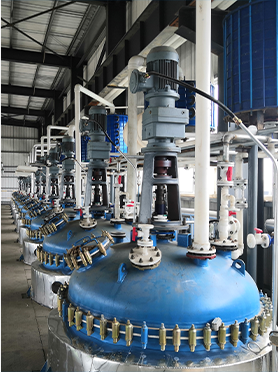
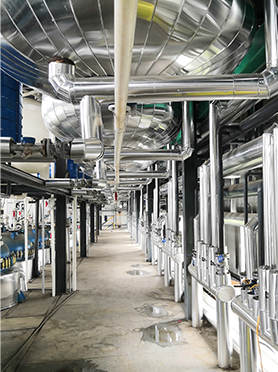
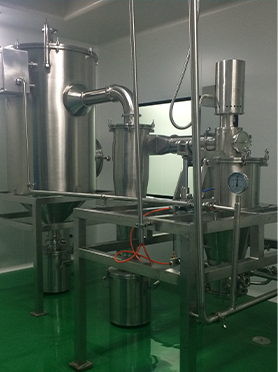
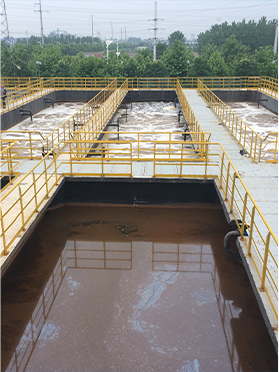
Manufacturing Facilities
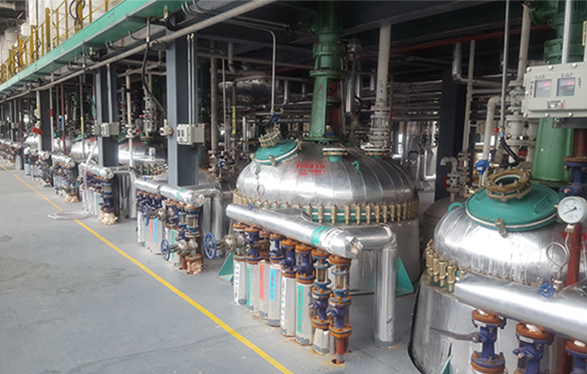
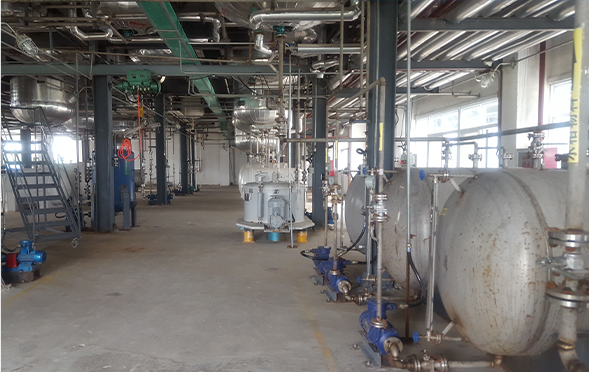
NINGBO INNO PHARMCHEM CO.,LTD. was established in 2007. It is committed to the R&D, production and sales of raw materials, pharmaceutical intermediates and fine chemicals. We striving to create a high-efficiency and high-quality integrated chemical service platform to better serve domestic and foreign customers.

Professional Export Experience

to Global Customers
WHY CHOSE US?

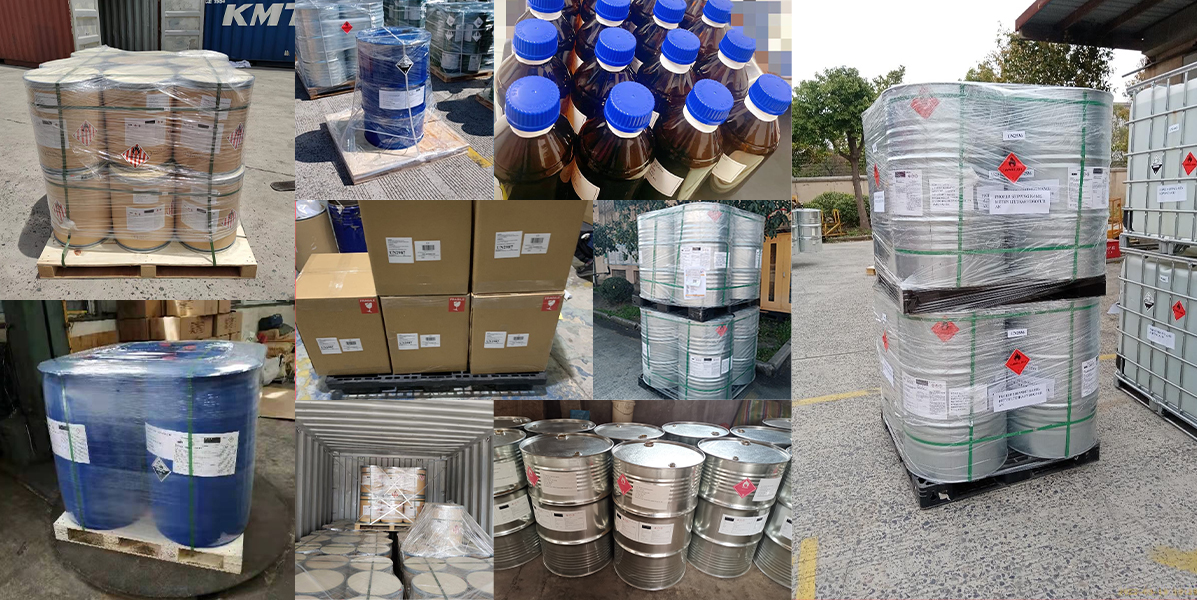
1. 20 years of R&D, manufacturing and sales experience, serving customers in 60 countries and regions around the world;

2. Own R&D laboratory, pilot platform and large-scale production workshop, which can meet the audit requirements of global customers;

3. We can satisfy customers' perfect transition from small scale lab requirements (gram level) to commercialization requirements (hundred tons level).

FAQ

  • A: We don't have Minimum Order Quantity, exact quantity should be provided before quotation for us to calculate the exact cost.

  • A: We don't provide free samples due to lots of request and expensive international courier's cost, we can deduct the sample charge after commercial order placed.

  • A: Our payment terms: Small or sample order: T/T IN ADVANCE. Commercial order: First order should be by T/T IN ADVANCE or L/C at sight, and following orders T/T 30~90days is acceptable subject to approval of credit application.


CONTACT US
Should you need to contact us; you may call during regular business hours, Monday through Friday, 8am – 6 pm.
NINGBO INNO PHARMCHEM CO.,LTD.
Address: No.163 Ruiqing Rd.,Ningbo 315000 China
Phone: 86-574-87319282
Fax: 86-574-27912196
SEND US AN EMAIL

NAME*

EMAIL*

COMPANY

COUNTRY*

MESSAGE*

Previous: Choosing Your 1,3-Dibromo-4,6-dinitrobenzene Supplier: A Global Perspective

Next: The Role of Manganese in Steel Alloys: A Buyer's Guide

All Rights Reserved