
Custom Manufacturing, Project Outsourcing, your Trusted Partner from China
In the sophisticated world of electronic chemicals, the consistent availability of high-purity intermediates is fundamental to innovation and production. 3,4-Dichlorobenzylamine (CAS 102-49-8) serves as a vital link in these supply chains, particularly for applications in photoresist technology and beyond. Understanding its role and how to source it effectively is key for industry professionals.
Understanding 3,4-Dichlorobenzylamine: Properties and Applications
3,4-Dichlorobenzylamine, identified by CAS number 102-49-8, is an organic chemical compound with the molecular formula C7H7Cl2N. Typically presenting as a clear liquid, varying from colorless to yellow, it possesses a density of 1.32 g/cm³ and a boiling point of 253.9 °C. Its nature as a corrosive and irritant substance means that safety precautions are essential during its handling and utilization in synthesis processes.
The compound is primarily recognized as a critical intermediate in the synthesis of photoresist chemicals. These light-sensitive materials are the backbone of photolithography, a process essential for manufacturing semiconductors and printed circuit boards. The chemical structure of 3,4-Dichlorobenzylamine lends itself to the creation of photoresist components that dictate crucial performance metrics such as resolution, sensitivity, and etch resistance. Consequently, its role extends to the broader domain of electronic chemicals, supporting the development of advanced materials across the technology sector.
Strategic Sourcing: Connecting with Manufacturers and Suppliers
For organizations seeking to buy 3,4-Dichlorobenzylamine, partnering with a reliable manufacturer is the cornerstone of a successful procurement strategy. Reputable companies, particularly those operating as a supplier in China, offer a combination of manufacturing expertise, competitive pricing, and established export channels. When evaluating potential partners, consider the following:
Procurement Best Practices
When you need to purchase 3,4-Dichlorobenzylamine, initiating contact with leading chemical manufacturers is a crucial first step. Clearly articulate your requirements for purity, quantity, and delivery schedules to facilitate accurate quoting. Many manufacturers also offer sample quantities for testing, which is a highly recommended practice to validate product suitability for your specific applications. Building a strong relationship with a trusted manufacturer ensures not only the quality of the intermediate but also the robustness of your supply chain for critical electronic chemicals.
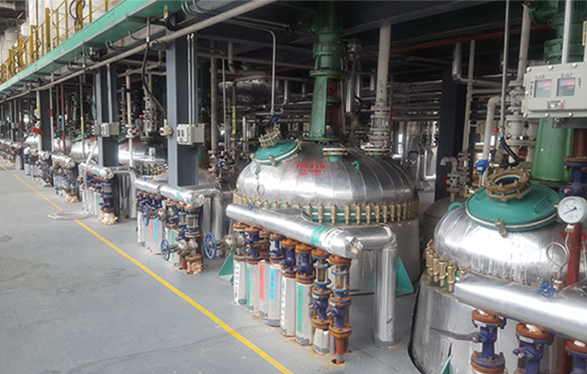
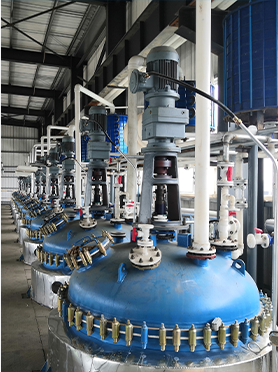
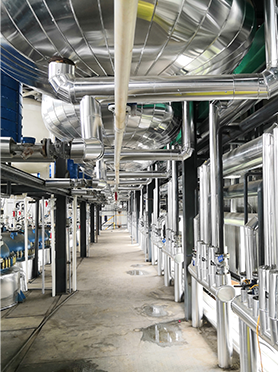
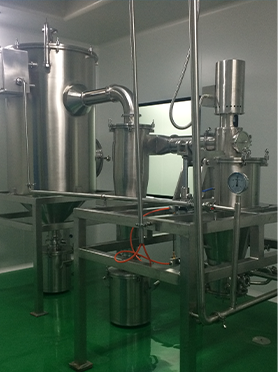
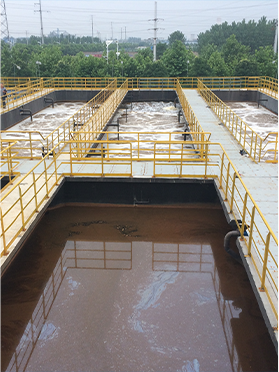
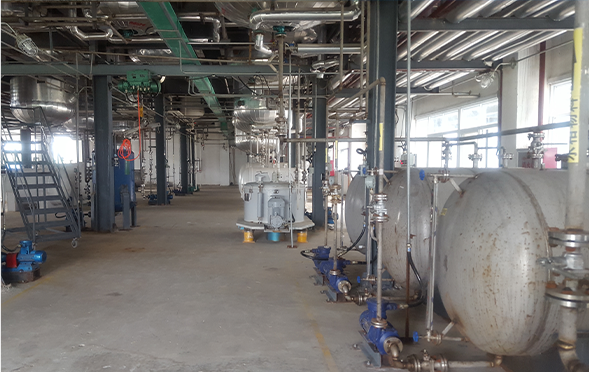
Manufacturing Facilities
Professional Export Experience
to Global Customers
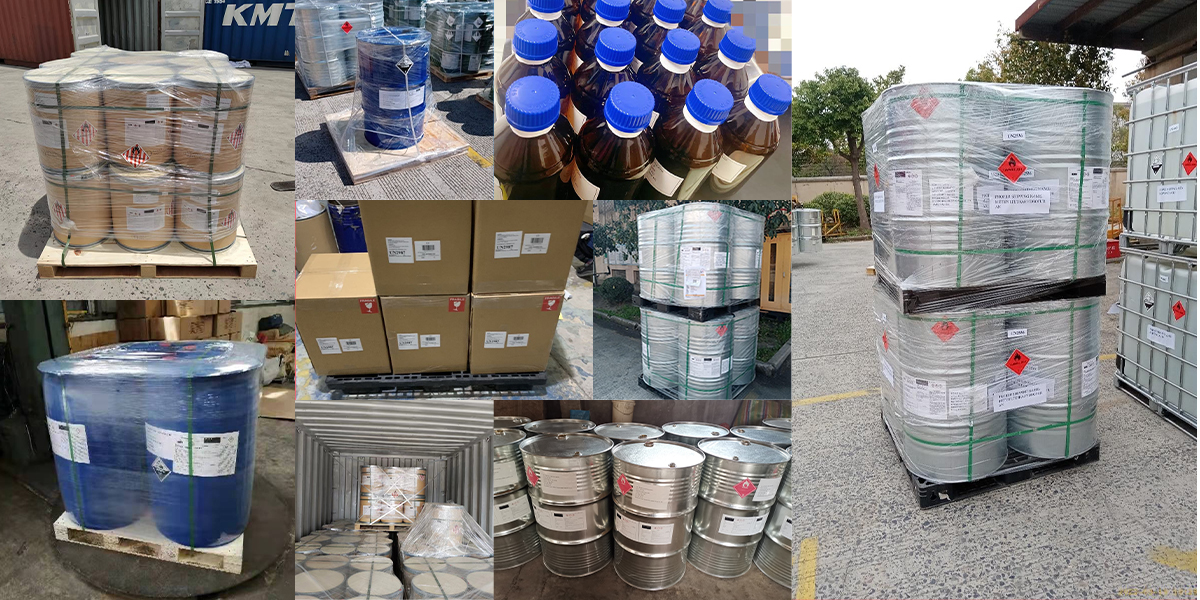
1. 20 years of R&D, manufacturing and sales experience, serving customers in 60 countries and regions around the world;
2. Own R&D laboratory, pilot platform and large-scale production workshop, which can meet the audit requirements of global customers;
3. We can satisfy customers' perfect transition from small scale lab requirements (gram level) to commercialization requirements (hundred tons level).
A: We don't have Minimum Order Quantity, exact quantity should be provided before quotation for us to calculate the exact cost.
A: We don't provide free samples due to lots of request and expensive international courier's cost, we can deduct the sample charge after commercial order placed.
A: Our payment terms: Small or sample order: T/T IN ADVANCE. Commercial order: First order should be by T/T IN ADVANCE or L/C at sight, and following orders T/T 30~90days is acceptable subject to approval of credit application.