
Custom Manufacturing, Project Outsourcing, your Trusted Partner from China
For research and development scientists and product formulators, understanding the precise specifications of chemical intermediates like 3-Chloropropionyl Chloride (CAS: 625-36-5) is the bedrock of successful innovation. This article unpacks the essential technical details of 3-CPCl, guiding you on what to look for when evaluating suppliers and ensuring the quality required for your synthesis and formulation projects. As a critical component in pharmaceutical and agrochemical research, precise specification adherence is non-negotiable.
Understanding the Chemical Profile: 3-Chloropropionyl Chloride
3-Chloropropionyl Chloride (3-CPCl), CAS number 625-36-5, is a reactive acyl chloride with the molecular formula C3H4Cl2O. Its structure features a propionyl group substituted with a chlorine atom at the beta-position and an acyl chloride functional group. This dual reactivity makes it a powerful tool in organic chemistry. Its physical state at room temperature is typically a clear to light brown liquid. The molecular weight is approximately 126.97 g/mol. Its role as a chlorinating agent and an acylating agent means it readily participates in various chemical transformations, making it a sought-after intermediate.
Critical Specifications for Synthesis and Formulation
When sourcing 3-Chloropropionyl Chloride, several key specifications directly impact its performance in your laboratory or production environment:
Impact on Applications
For pharmaceutical intermediates, high purity is essential to avoid introducing unwanted by-products into drug synthesis pathways, ensuring the safety and efficacy of the final API. In agrochemical synthesis, consistent purity leads to reliable performance in crop protection products. For general organic synthesis, understanding the reactivity profile, boiling point, and solubility allows for optimized reaction conditions, solvent selection, and purification strategies. When you buy from a trusted manufacturer, these specifications are rigorously controlled.
Choosing a Supplier for Your R&D Needs
When engaging with suppliers, always request their latest CoA and SDS. Compare specifications across different manufacturers to identify the best fit for your project's sensitivity and budget. For critical R&D projects, obtaining samples for independent verification is highly advisable. Partnering with a supplier that consistently provides materials meeting these exacting specifications ensures the reproducibility and success of your scientific endeavors. If you are a research scientist or formulator looking to purchase 3-Chloropropionyl Chloride, focus on these technical details to guarantee the quality and performance you need.
Manufacturing Facilities
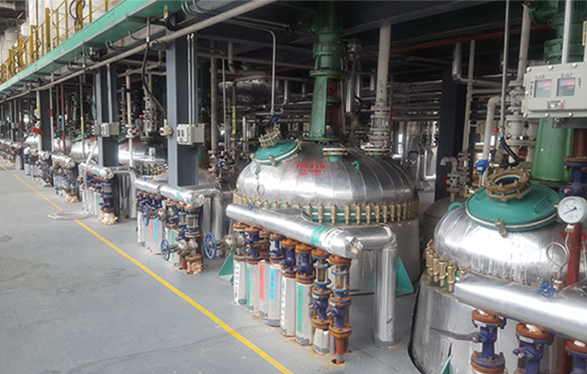
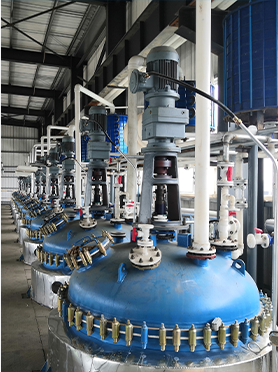
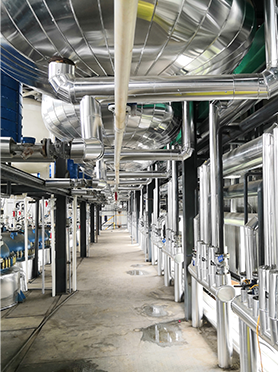
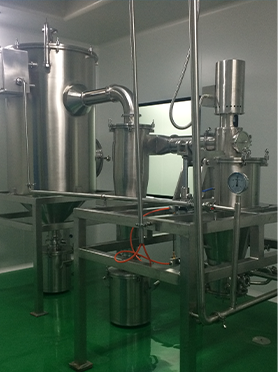
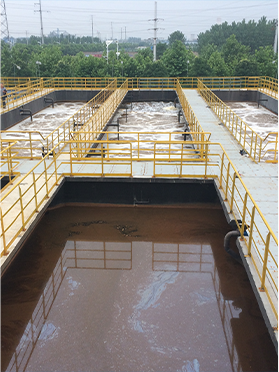
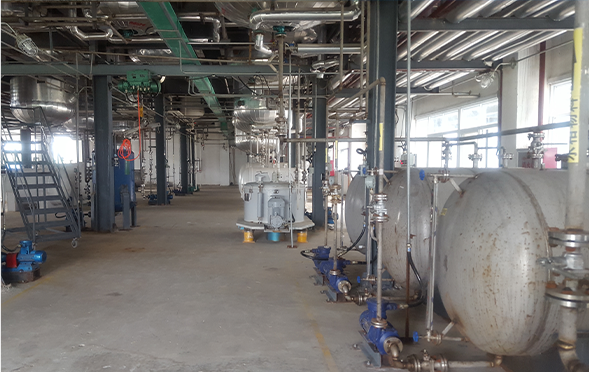
Professional Export Experience
to Global Customers
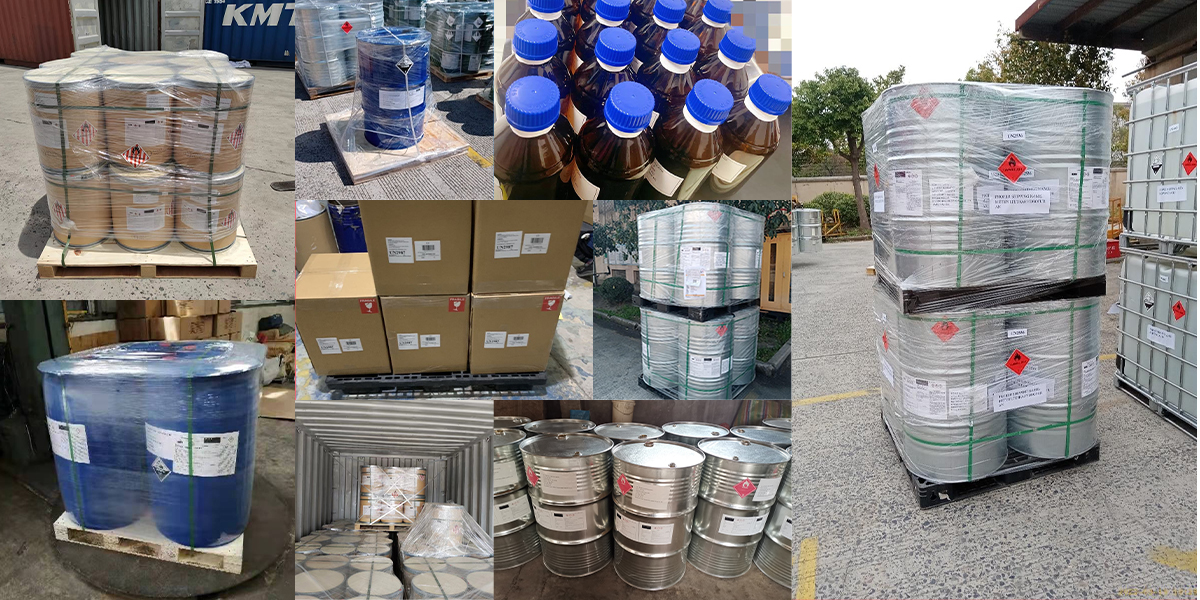
1. 20 years of R&D, manufacturing and sales experience, serving customers in 60 countries and regions around the world;
2. Own R&D laboratory, pilot platform and large-scale production workshop, which can meet the audit requirements of global customers;
3. We can satisfy customers' perfect transition from small scale lab requirements (gram level) to commercialization requirements (hundred tons level).
A: We don't have Minimum Order Quantity, exact quantity should be provided before quotation for us to calculate the exact cost.
A: We don't provide free samples due to lots of request and expensive international courier's cost, we can deduct the sample charge after commercial order placed.
A: Our payment terms: Small or sample order: T/T IN ADVANCE. Commercial order: First order should be by T/T IN ADVANCE or L/C at sight, and following orders T/T 30~90days is acceptable subject to approval of credit application.