Custom Manufacturing, Project Outsourcing, your Trusted Partner from China
For businesses that rely on specific chemical compounds for their operations, understanding the pricing structure and procurement strategies is essential. 4-Methyl-1-pentanol (CAS 626-89-1) is a versatile chemical widely used as a pharmaceutical intermediate and in scientific research. The price of this colorless liquid can fluctuate based on several factors, making it important for buyers to be well-informed when they decide to purchase.
Key factors influencing the price of 4-methyl-1-pentanol include the purity level, order volume, and the specific supplier or manufacturer. Products with higher purity, such as those exceeding 98.34% HPLC content, typically command a higher price due to the more rigorous manufacturing and quality control processes involved. When purchasing in bulk, buyers often benefit from economies of scale, leading to a lower per-unit cost. Therefore, consolidating needs and placing larger orders with a chosen manufacturer or supplier can lead to significant savings.
When seeking to buy 4-methyl-1-pentanol, it is advisable to obtain quotes from multiple suppliers, particularly from manufacturers in China, who are known for competitive pricing in the global chemical market. Comparing these quotes allows procurement professionals to identify the best value proposition, considering not only the price but also the supplier's reliability, lead times, and packaging options. Understanding the typical price range for this compound helps in negotiation and ensuring a fair deal.
Furthermore, global market conditions, raw material costs, and supply chain dynamics can also impact the price of 4-methyl-1-pentanol. For instance, fluctuations in the availability of precursor chemicals or changes in international trade policies can affect the final cost. For companies dedicated to scientific research or pharmaceutical production, establishing a long-term relationship with a consistent supplier can provide greater price stability. By strategically navigating the market and understanding these price determinants, businesses can effectively procure the 4-methyl-1-pentanol they need at competitive rates.
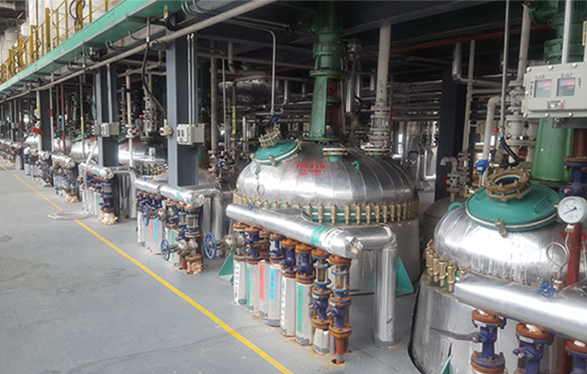
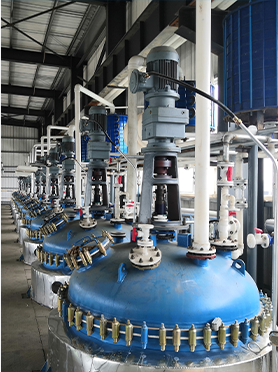
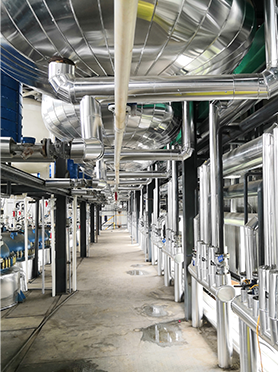
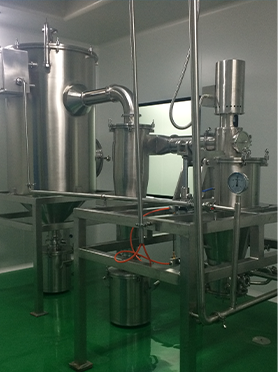
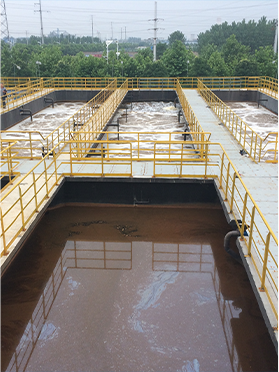
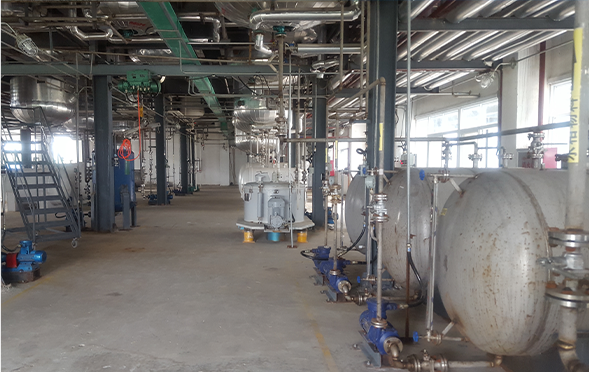
Manufacturing Facilities
Professional Export Experience
to Global Customers
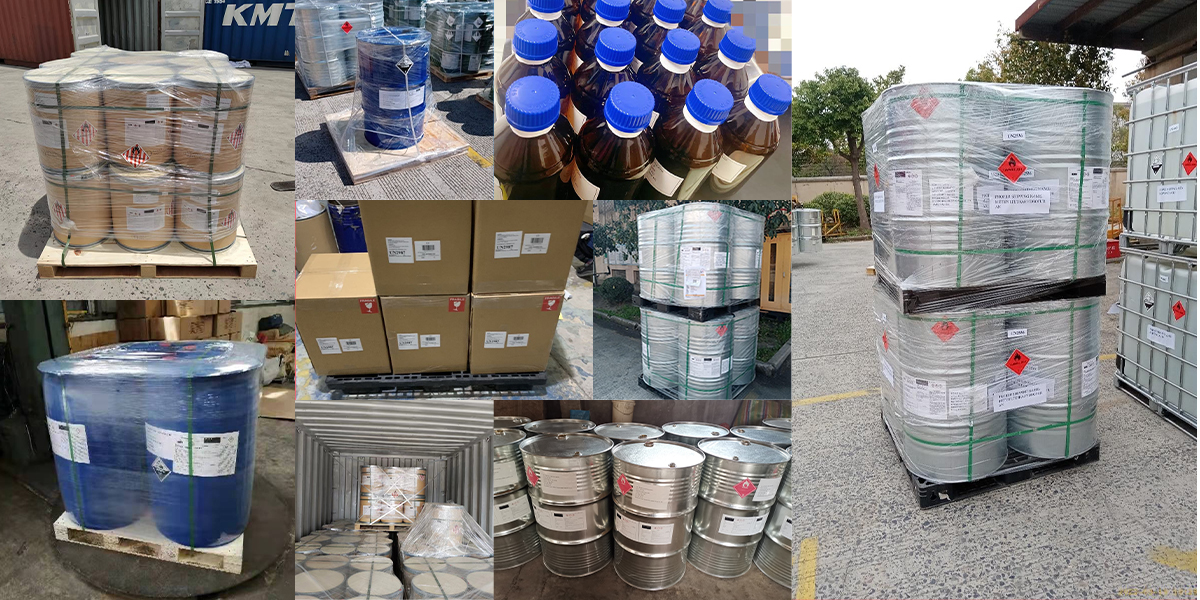
1. 20 years of R&D, manufacturing and sales experience, serving customers in 60 countries and regions around the world;
2. Own R&D laboratory, pilot platform and large-scale production workshop, which can meet the audit requirements of global customers;
3. We can satisfy customers' perfect transition from small scale lab requirements (gram level) to commercialization requirements (hundred tons level).
A: We don't have Minimum Order Quantity, exact quantity should be provided before quotation for us to calculate the exact cost.
A: We don't provide free samples due to lots of request and expensive international courier's cost, we can deduct the sample charge after commercial order placed.
A: Our payment terms: Small or sample order: T/T IN ADVANCE. Commercial order: First order should be by T/T IN ADVANCE or L/C at sight, and following orders T/T 30~90days is acceptable subject to approval of credit application.