
Custom Manufacturing, Project Outsourcing, your Trusted Partner from China
The demand for low-odor and high-performance materials in various industries, particularly in packaging and consumer goods, is steadily increasing. For manufacturers relying on UV curing technology, finding a photoinitiator that meets these stringent requirements is crucial. 4-Phenylbenzophenone (CAS 2128-93-0) has emerged as a leading solution, offering a compelling combination of efficient photoinitiation and a distinct lack of undesirable odor.
The Importance of Low Odor in UV Curing
Traditional photoinitiators, while effective, can sometimes impart a noticeable odor to cured products. This can be a significant drawback for applications involving direct contact with food, sensitive consumer products, or indoor environments where air quality is a concern. 4-Phenylbenzophenone, a Type II photoinitiator, addresses this challenge directly. Its molecular structure and mechanism of action contribute to significantly reduced residual odor compared to many other photoinitiators, making it an ideal choice for formulating:
How 4-Phenylbenzophenone Works
As a Type II photoinitiator, 4-Phenylbenzophenone requires a synergist, typically a tertiary amine, to function effectively. Upon exposure to UV light, the photoinitiator absorbs energy and undergoes a process that leads to the generation of free radicals. These radicals then initiate the polymerization of monomers and oligomers in the formulation, leading to rapid curing and the formation of a solid film. This process is highly efficient and can be tailored for various applications by adjusting concentrations and formulation components.
Sourcing and Pricing Considerations
When you decide to purchase 4-Phenylbenzophenone (CAS 2128-93-0), selecting a reputable manufacturer and supplier is paramount. Factors such as product purity (typically ≥99%), batch consistency, and reliable supply chains are critical for maintaining the quality and efficiency of your UV curing processes. Many chemical companies, particularly those in China, offer competitive pricing for bulk orders, making this high-performance photoinitiator accessible for a wide range of businesses.
Engaging with a supplier that can provide technical support and detailed product specifications can further aid in optimizing your formulations. Understanding the optimal usage levels, typically 2-6% w/w depending on the application and film thickness, is also essential for achieving the best results.
Conclusion
4-Phenylbenzophenone (CAS 2128-93-0) is a valuable asset for industries that utilize UV curing technology and require low-odor finished products. Its effectiveness as a Type II photoinitiator, combined with its favorable sensory profile, makes it a go-to choice for demanding applications. By prioritizing reliable sourcing and understanding its application parameters, businesses can harness the full potential of this specialty chemical to innovate and deliver superior products.
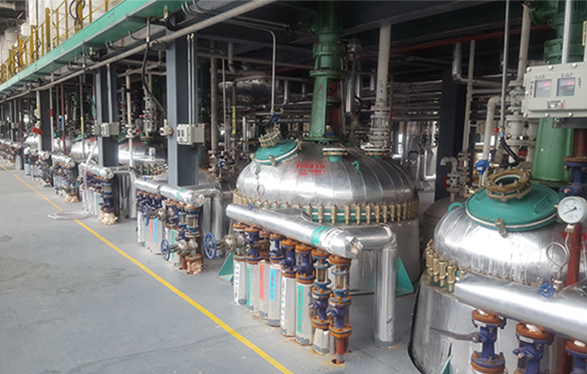
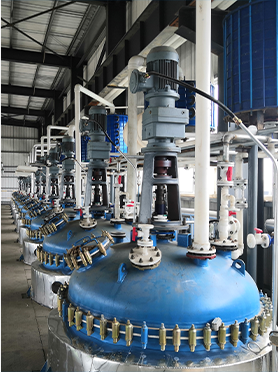
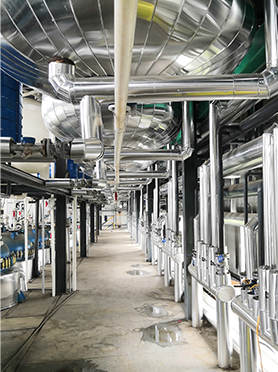
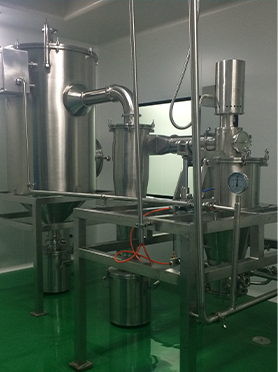
Manufacturing Facilities
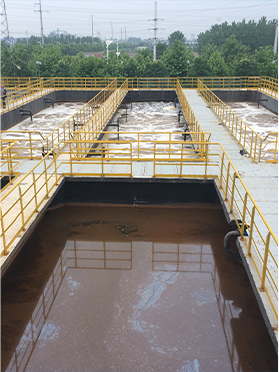
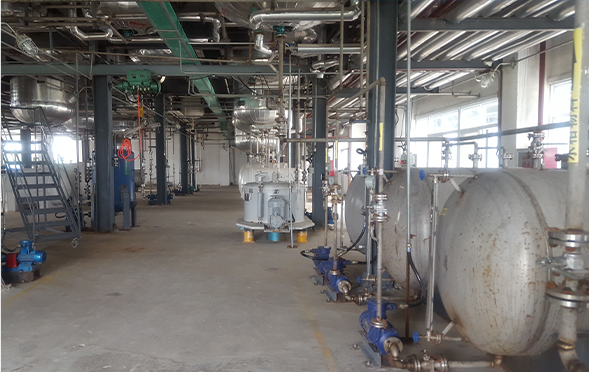
Professional Export Experience
to Global Customers
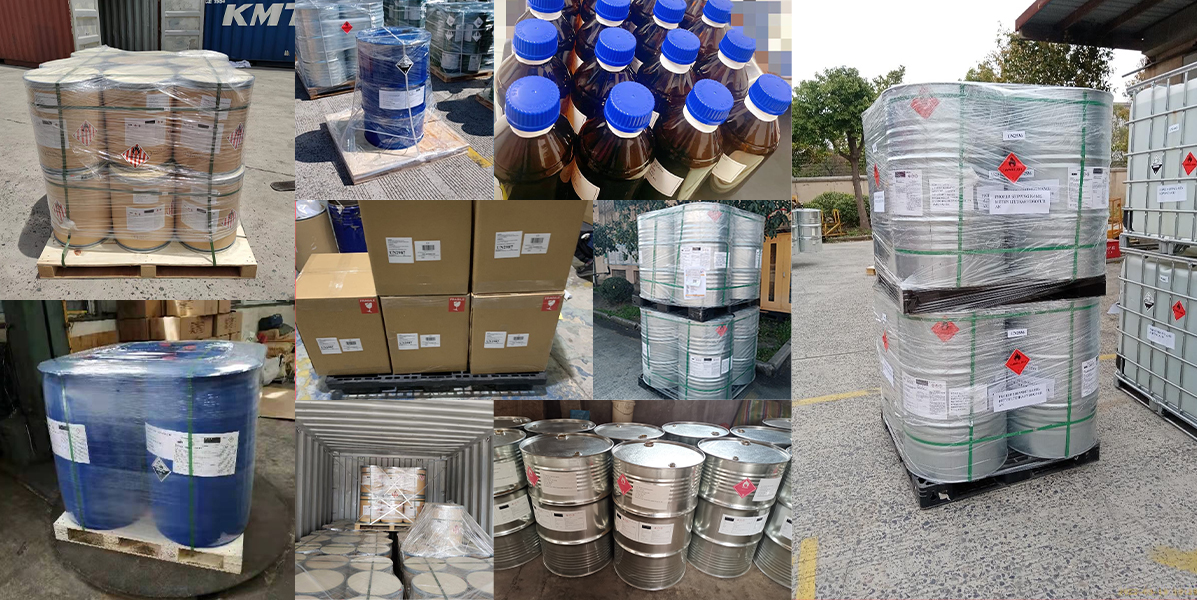
1. 20 years of R&D, manufacturing and sales experience, serving customers in 60 countries and regions around the world;
2. Own R&D laboratory, pilot platform and large-scale production workshop, which can meet the audit requirements of global customers;
3. We can satisfy customers' perfect transition from small scale lab requirements (gram level) to commercialization requirements (hundred tons level).
A: We don't have Minimum Order Quantity, exact quantity should be provided before quotation for us to calculate the exact cost.
A: We don't provide free samples due to lots of request and expensive international courier's cost, we can deduct the sample charge after commercial order placed.
A: Our payment terms: Small or sample order: T/T IN ADVANCE. Commercial order: First order should be by T/T IN ADVANCE or L/C at sight, and following orders T/T 30~90days is acceptable subject to approval of credit application.