
Custom Manufacturing, Project Outsourcing, your Trusted Partner from China
The ubiquitous presence of liquid crystal displays (LCDs) in modern technology underscores the importance of the advanced chemical materials that enable them. Among these, specific organic molecules known as liquid crystal monomers are essential for creating the ordered fluid phases that manipulate light. This article delves into the application of 4-Propylbenzoic Acid (CAS 2438-05-3) as a key component in liquid crystal formulations and guides formulators on sourcing this vital material.
The Chemistry of Liquid Crystals and 4-Propylbenzoic Acid
Liquid crystals are states of matter that exhibit properties between those of conventional liquids and solid crystals. Their molecules possess a degree of orientational order, which can be precisely controlled by external stimuli like electric fields. This electro-optic effect is the basis of LCD technology. The molecular structure of a liquid crystal monomer dictates its mesogenic properties – its ability to form liquid crystalline phases and its behavior under an electric field.
4-Propylbenzoic Acid, with its aromatic ring and alkyl chain, is a valuable building block in the synthesis of sophisticated liquid crystal molecules. The para-substituted propyl group and the carboxylic acid functionality allow for further chemical modifications, enabling chemists to tailor the molecule's properties. These tailored molecules are then incorporated into mixtures that are used in LCD panels. The precise structure contributes to critical parameters such as:
Why 4-Propylbenzoic Acid is a Preferred Choice
Formulators often seek out 4-Propylbenzoic Acid from reliable chemical suppliers due to its advantageous properties and synthetic utility. When you buy 4-Propylbenzoic Acid, especially from a trusted manufacturer in China, you are acquiring a material that:
Sourcing Considerations for Formulators
For professionals in the field, procuring 4-Propylbenzoic Acid involves more than just finding the lowest price. Key considerations include:
In conclusion, 4-Propylbenzoic Acid (CAS 2438-05-3) is a pivotal organic intermediate for the liquid crystal industry. By understanding its role and focusing on sourcing from reputable manufacturers and suppliers, formulators can ensure the high performance and reliability of their advanced display technologies. When you need to buy this chemical, prioritize purity and a dependable supply chain.
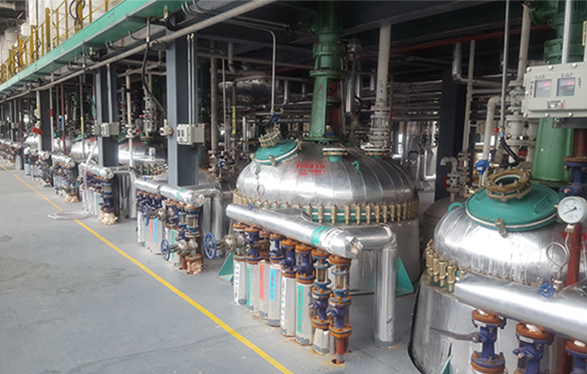
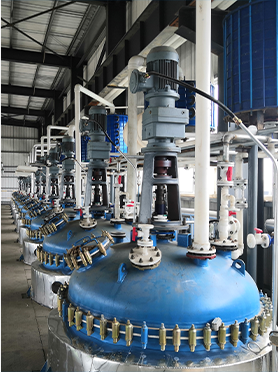
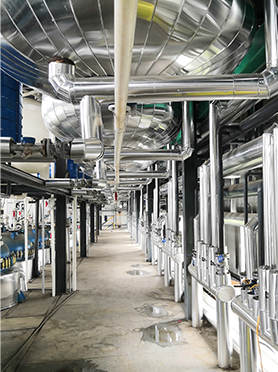
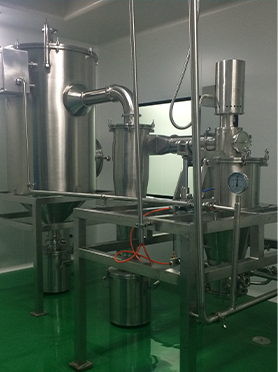
Manufacturing Facilities
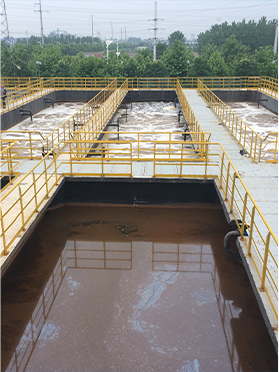
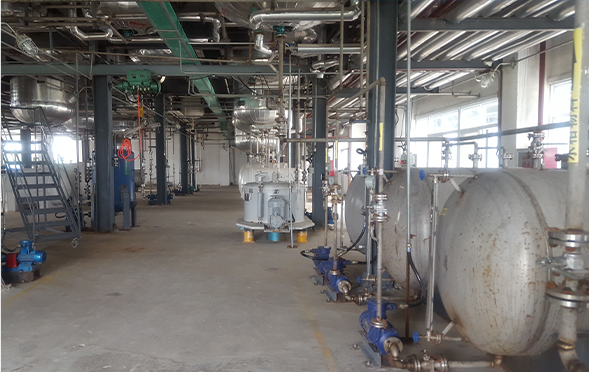
Professional Export Experience
to Global Customers
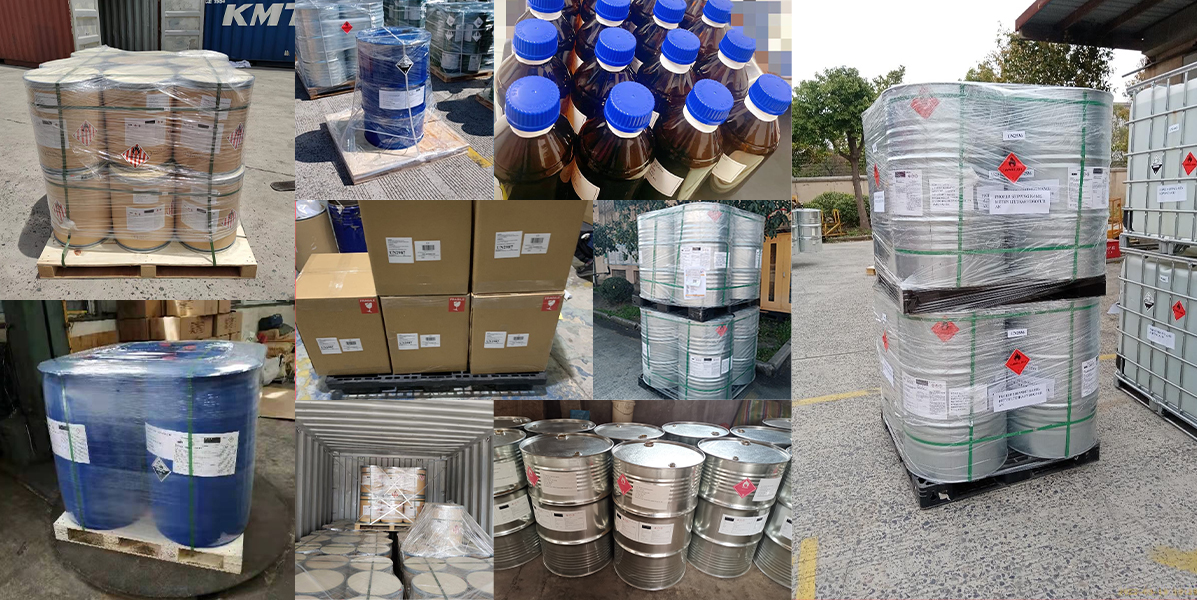
1. 20 years of R&D, manufacturing and sales experience, serving customers in 60 countries and regions around the world;
2. Own R&D laboratory, pilot platform and large-scale production workshop, which can meet the audit requirements of global customers;
3. We can satisfy customers' perfect transition from small scale lab requirements (gram level) to commercialization requirements (hundred tons level).
A: We don't have Minimum Order Quantity, exact quantity should be provided before quotation for us to calculate the exact cost.
A: We don't provide free samples due to lots of request and expensive international courier's cost, we can deduct the sample charge after commercial order placed.
A: Our payment terms: Small or sample order: T/T IN ADVANCE. Commercial order: First order should be by T/T IN ADVANCE or L/C at sight, and following orders T/T 30~90days is acceptable subject to approval of credit application.