
Custom Manufacturing, Project Outsourcing, your Trusted Partner from China
In modern textile applications, comfort is often defined by a fabric's ability to manage moisture. Whether for activewear, bedding, or everyday apparel, a fabric's interaction with the skin, particularly its breathability and absorbency, plays a critical role. Traditional silicone softeners, while excellent at imparting softness and smoothness, often create a barrier that reduces hydrophilicity. This is where hydrophilic silicone softeners, particularly modified amino silicone oils, emerge as game-changers.
Hydrophilic silicone softeners are a specialized class of textile auxiliaries designed to impart a soft feel while simultaneously enhancing a fabric's ability to absorb and wick moisture. This dual functionality is achieved through advanced molecular engineering, typically involving the incorporation of hydrophilic segments, such as polyether chains, into the silicone polymer backbone. These hydrophilic chains interact favorably with water molecules, allowing the fabric to become more absorbent and breathable.
The primary benefit of using hydrophilic silicone softeners is the improved comfort they offer to the end-user. For sportswear, this means better moisture management, keeping the wearer drier and more comfortable during physical activity. For everyday wear, it translates to a more pleasant and less clammy feel against the skin, especially in humid conditions. Unlike conventional softeners that can sometimes leave fabrics feeling less breathable, hydrophilic variants ensure that softness does not come at the expense of moisture management.
The mechanism behind this enhanced hydrophilicity lies in the chemical structure. The silicone backbone provides the essential softening and lubricating properties, reducing friction between fibers and giving the fabric its smooth, silky hand. The appended hydrophilic polyether segments create a more porous surface or provide sites for water molecules to adhere to and spread, thereby increasing the fabric's overall absorbency and promoting quicker drying times. This makes them ideal for finishing materials like cotton, rayon, and their blends, which are naturally more absorbent but can still benefit from improved performance characteristics.
Moreover, many of these advanced formulations also offer low-yellowing properties. This is crucial for white or light-colored fabrics, ensuring that the finishing process does not adversely affect the visual appeal. The combination of enhanced softness, superior hydrophilicity, and excellent color fastness makes hydrophilic silicone softeners a highly versatile choice for a wide range of textile finishing processes.
The application process is typically straightforward, involving emulsification of the silicone fluid and application via padding or exhaustion methods. The precise formulation and application parameters are often tailored to the specific fiber type and desired end-product characteristics. By integrating these advanced hydrophilic silicone softeners into their finishing routines, textile manufacturers can elevate the performance and comfort of their products, meeting the sophisticated demands of today's discerning consumers for fabrics that are not only soft but also functional.
Manufacturing Facilities
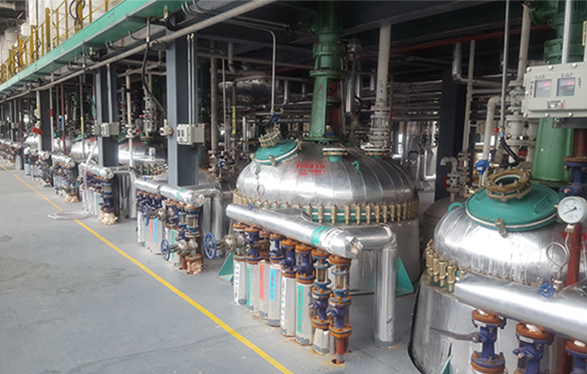
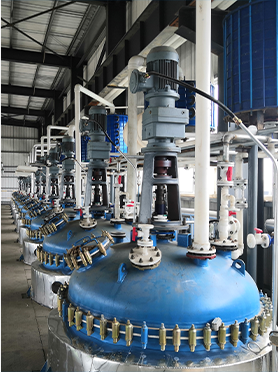
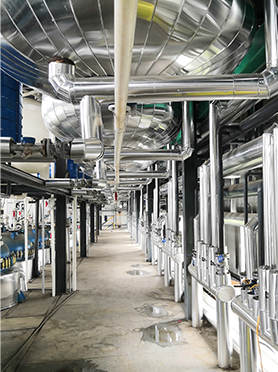
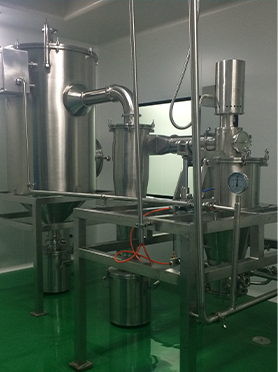
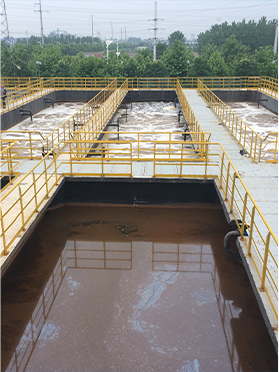
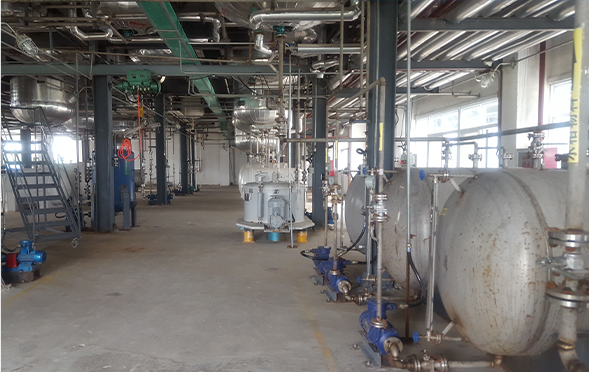
Professional Export Experience
to Global Customers
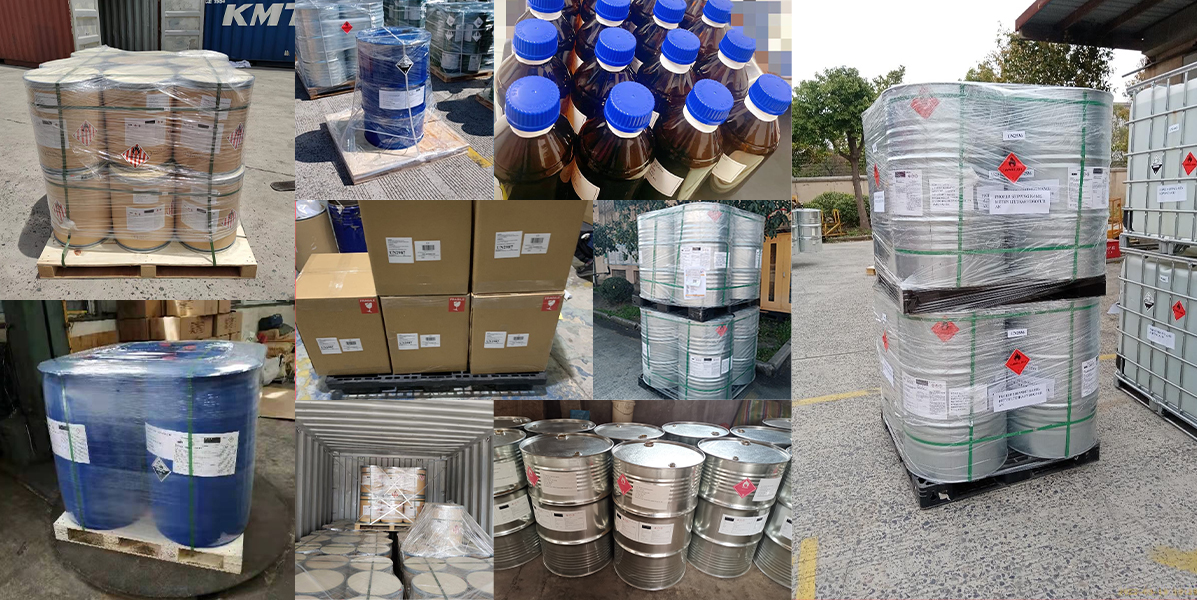
1. 20 years of R&D, manufacturing and sales experience, serving customers in 60 countries and regions around the world;
2. Own R&D laboratory, pilot platform and large-scale production workshop, which can meet the audit requirements of global customers;
3. We can satisfy customers' perfect transition from small scale lab requirements (gram level) to commercialization requirements (hundred tons level).
A: We don't have Minimum Order Quantity, exact quantity should be provided before quotation for us to calculate the exact cost.
A: We don't provide free samples due to lots of request and expensive international courier's cost, we can deduct the sample charge after commercial order placed.
A: Our payment terms: Small or sample order: T/T IN ADVANCE. Commercial order: First order should be by T/T IN ADVANCE or L/C at sight, and following orders T/T 30~90days is acceptable subject to approval of credit application.