
Custom Manufacturing, Project Outsourcing, your Trusted Partner from China
Acrylonitrile, identified by its CAS number 107-13-1, is a fundamental organic compound that underpins a significant portion of modern industrial chemistry. Characterized as a colorless liquid with a distinctive odor, it possesses a unique chemical structure that makes it an invaluable intermediate for a wide array of applications. The production of Acrylonitrile, often carried out by specialized manufacturers in China, ensures its widespread availability for global industrial needs.
The physical and chemical properties of Acrylonitrile are key to its utility. With a boiling point of approximately 77.3 °C and a melting point of -83.5 °C, it remains a liquid under typical industrial operating conditions. Its density is around 0.8 g/cm³, and it has a flash point of 0.0 °C, classifying it as a flammable liquid. These properties necessitate careful handling and storage protocols, especially when dealing with bulk quantities from manufacturers. The chemical industry relies heavily on suppliers who can provide this material with consistent specifications, ensuring predictable outcomes in downstream processes.
Safety considerations are paramount when working with Acrylonitrile. It is a toxic substance and an irritant, requiring appropriate personal protective equipment (PPE) such as gloves, eye protection, and respiratory support in well-ventilated areas. Exposure limits and handling guidelines are critical for personnel safety. Manufacturers typically provide comprehensive Safety Data Sheets (SDS) that detail potential hazards and recommended precautions. For companies looking to buy Acrylonitrile, understanding these safety aspects and sourcing from reputable suppliers who prioritize safety information is crucial.
The industrial significance of Acrylonitrile cannot be overstated. Its role as a monomer in the production of polymers like ABS (Acrylonitrile-Butadiene-Styrene) and SAN (Styrene-Acrylonitrile) resins is a major driver of its demand. These resins are ubiquitous in the manufacturing of durable goods, automotive components, and consumer electronics. Companies producing these plastics depend on a stable and competitive supply of Acrylonitrile from global manufacturers.
Moreover, Acrylonitrile is a key precursor for synthetic fibers such as acrylic and modacrylic fibers, widely used in textiles for their warmth, softness, and durability. Its use extends to the production of nitrile rubber, known for its resistance to oil and chemicals, making it indispensable in automotive seals and hoses. The continuous innovation in material science ensures that Acrylonitrile remains a vital intermediate, with ongoing research exploring its potential in new applications.
For businesses requiring Acrylonitrile, sourcing from China offers a strategic advantage. Many Chinese manufacturers have invested heavily in advanced production technologies, enabling them to produce high-purity Acrylonitrile efficiently and at competitive prices. Procurement managers should look for suppliers who can provide consistent quality, reliable delivery, and comprehensive technical support. Requesting a quote for Acrylonitrile from these established players can secure your supply chain for this essential chemical intermediate.
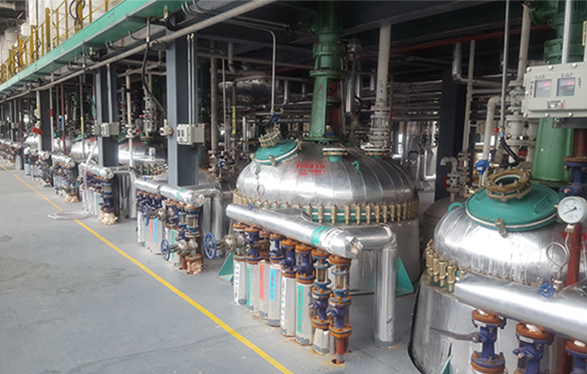
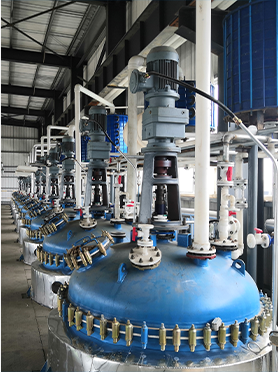
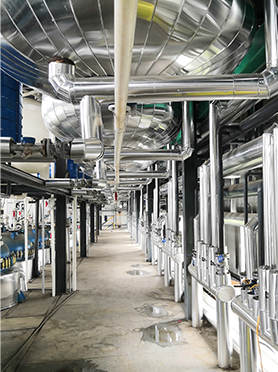
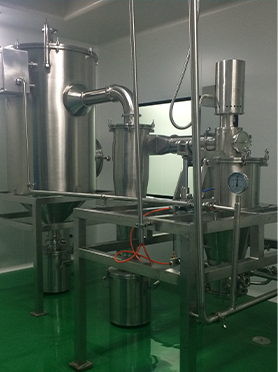
Manufacturing Facilities
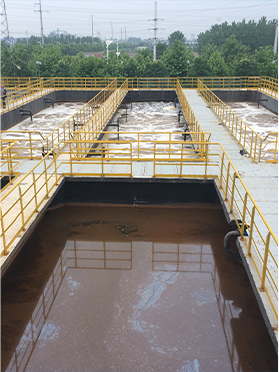
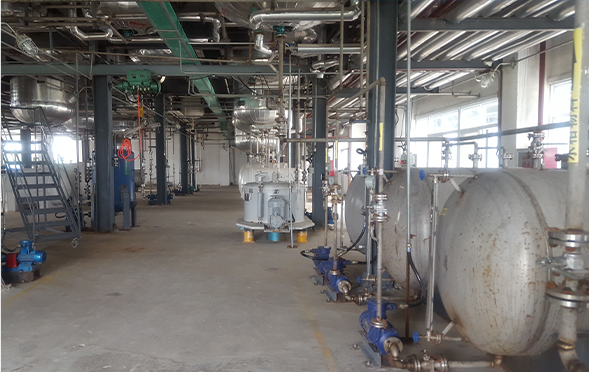
Professional Export Experience
to Global Customers
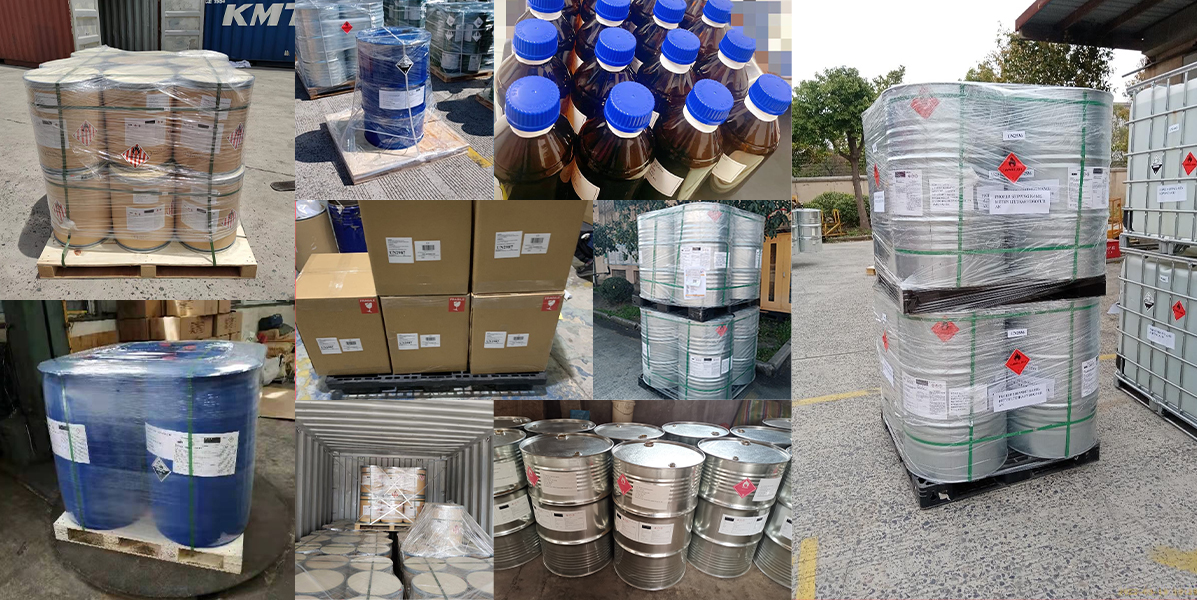
1. 20 years of R&D, manufacturing and sales experience, serving customers in 60 countries and regions around the world;
2. Own R&D laboratory, pilot platform and large-scale production workshop, which can meet the audit requirements of global customers;
3. We can satisfy customers' perfect transition from small scale lab requirements (gram level) to commercialization requirements (hundred tons level).
A: We don't have Minimum Order Quantity, exact quantity should be provided before quotation for us to calculate the exact cost.
A: We don't provide free samples due to lots of request and expensive international courier's cost, we can deduct the sample charge after commercial order placed.
A: Our payment terms: Small or sample order: T/T IN ADVANCE. Commercial order: First order should be by T/T IN ADVANCE or L/C at sight, and following orders T/T 30~90days is acceptable subject to approval of credit application.