
Custom Manufacturing, Project Outsourcing, your Trusted Partner from China
Activated alumina is a highly valued adsorbent and desiccant, indispensable in numerous industrial applications for its ability to remove moisture, fluoride, and other contaminants. To harness its full potential and ensure long-term cost-effectiveness, understanding and implementing proper regeneration techniques is paramount. For businesses seeking optimal performance from their activated alumina, sourcing from an experienced manufacturer and adhering to best practices for regeneration is crucial. This article explores the vital aspects of activated alumina regeneration.
The Importance of Regeneration
Over time, activated alumina becomes saturated with adsorbed substances, diminishing its effectiveness. Regeneration is the process of removing these adsorbed molecules, restoring the material's adsorptive capacity and extending its usable lifespan. This not only prevents a decline in process efficiency but also significantly reduces the need for frequent material replacement, leading to substantial cost savings and a reduced environmental footprint.
Key Regeneration Techniques
Several methods are employed for regenerating activated alumina, each suited to different applications and conditions:
Best Practices for Effective Regeneration
To maximize the benefits of regeneration and preserve the integrity of the activated alumina:
Challenges in Regeneration
While beneficial, regeneration can present challenges. Energy consumption for thermal methods, the potential for material damage if not performed correctly, and the possibility of incomplete contaminant removal are key considerations. Choosing the right regeneration method for your specific application and meticulously following best practices are crucial for overcoming these limitations.
As a leading manufacturer and supplier of activated alumina, we understand the critical importance of efficient regeneration. By offering high-quality products and providing expert guidance on their care and maintenance, we help our clients achieve optimal performance and significant cost savings. Investing in proper regeneration practices ensures that your activated alumina continues to deliver reliable results, process after process.
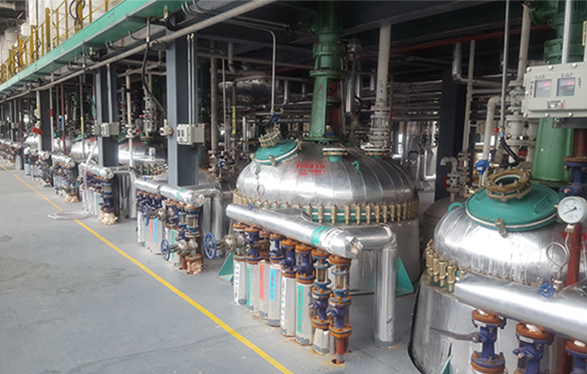
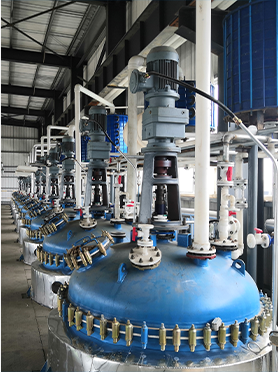
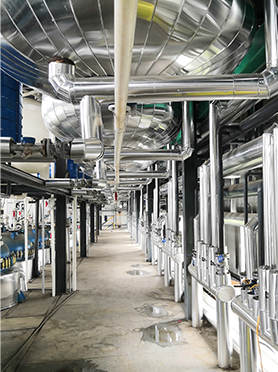
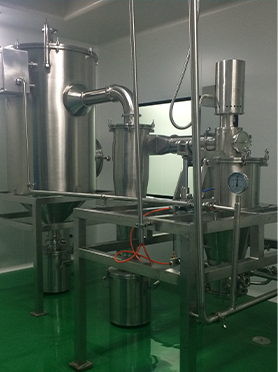
Manufacturing Facilities
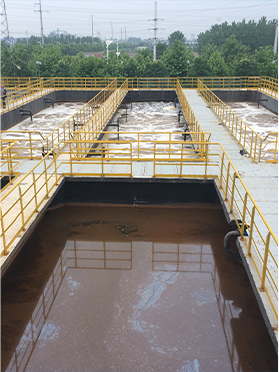
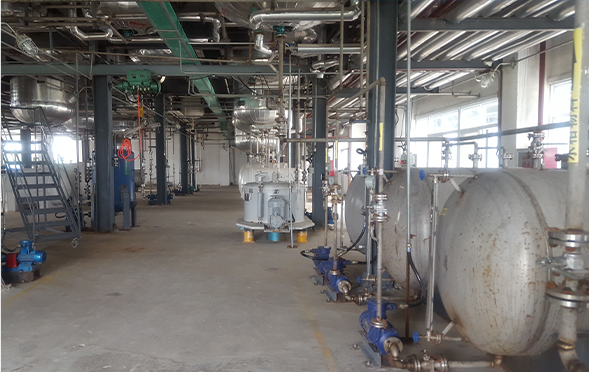
Professional Export Experience
to Global Customers
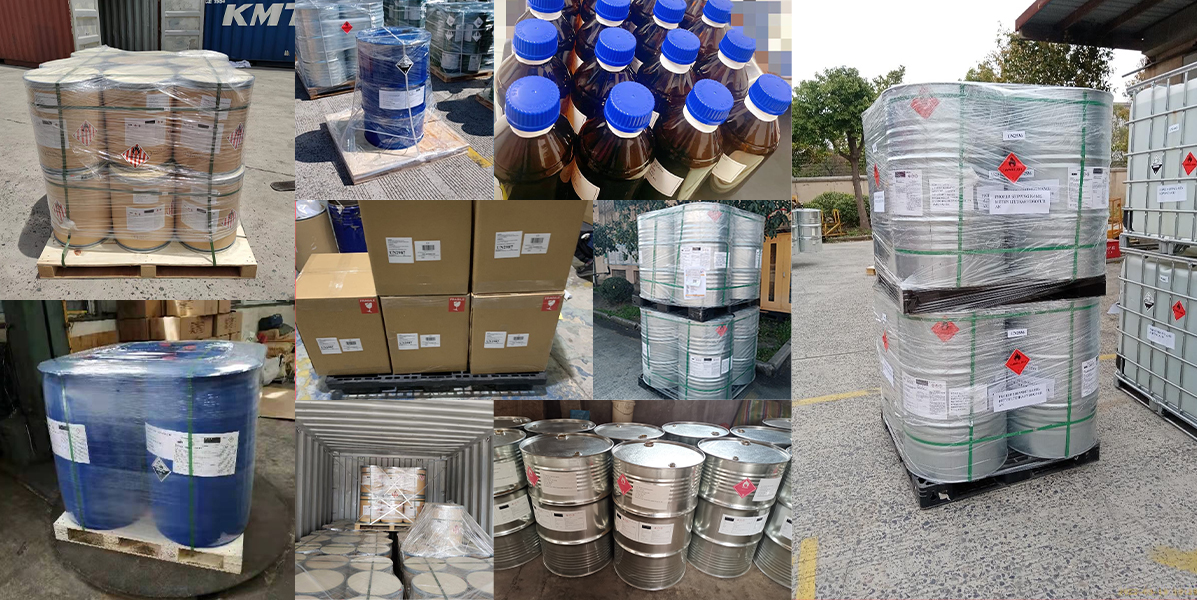
1. 20 years of R&D, manufacturing and sales experience, serving customers in 60 countries and regions around the world;
2. Own R&D laboratory, pilot platform and large-scale production workshop, which can meet the audit requirements of global customers;
3. We can satisfy customers' perfect transition from small scale lab requirements (gram level) to commercialization requirements (hundred tons level).
A: We don't have Minimum Order Quantity, exact quantity should be provided before quotation for us to calculate the exact cost.
A: We don't provide free samples due to lots of request and expensive international courier's cost, we can deduct the sample charge after commercial order placed.
A: Our payment terms: Small or sample order: T/T IN ADVANCE. Commercial order: First order should be by T/T IN ADVANCE or L/C at sight, and following orders T/T 30~90days is acceptable subject to approval of credit application.