
Custom Manufacturing, Project Outsourcing, your Trusted Partner from China
The selection of the appropriate desiccant is a critical decision for numerous industrial applications where moisture control is essential. Among the most common desiccants are activated alumina and silica gel. While both serve the primary purpose of moisture absorption, they possess distinct characteristics that make them more suitable for different environments and performance requirements. This comparison aims to equip procurement managers and R&D scientists with the knowledge to make an informed purchase.
Activated Alumina: Strength and Stability
Activated alumina is an aluminum oxide-based desiccant renowned for its superior thermal stability and high mechanical strength. It excels in applications involving elevated temperatures and high humidity conditions where silica gel might falter. Its porous structure provides a large surface area, enabling high adsorption capacity, particularly for water molecules. A key advantage is its ability to be regenerated multiple times at relatively high temperatures without significant loss of performance. For those looking to buy activated alumina, understanding its robustness for applications like compressed air drying and industrial gas purification is key. Manufacturers often emphasize its high crush strength, ensuring it withstands pressure and doesn't easily break down.
Silica Gel: Cost-Effectiveness and Versatility
Silica gel, a granular form of silicon dioxide, is widely recognized for its cost-effectiveness and excellent adsorption capabilities, especially at lower temperatures and relative humidity levels. It's often preferred in packaging for electronics, pharmaceuticals, and food products due to its non-toxic nature and gentle adsorption. While it is a versatile desiccant, its thermal stability is lower than that of activated alumina, and it can become saturated more quickly in high-humidity environments. When considering a silica gel supplier, it's important to note its limitations in high-temperature applications where its adsorption capacity might diminish.
Key Differentiating Factors for Procurement
When making a procurement decision, consider the following:
In summary, both activated alumina and silica gel are valuable desiccants. For robust performance in demanding industrial conditions, especially those involving heat and high humidity, activated alumina is often the preferred option. For more general-purpose, cost-sensitive applications at moderate temperatures, silica gel proves to be an excellent choice. When you search for a desiccant manufacturer, ensure they offer a range of products and can provide technical guidance to help you select the optimal material for your process.
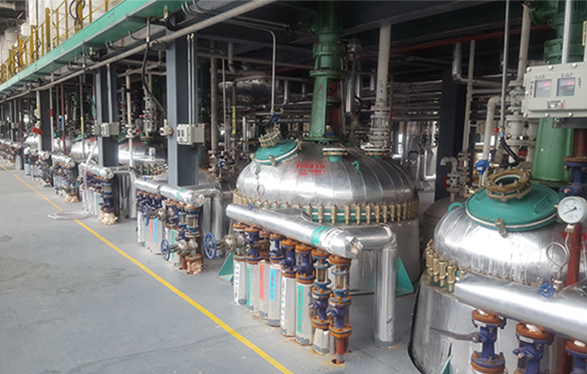
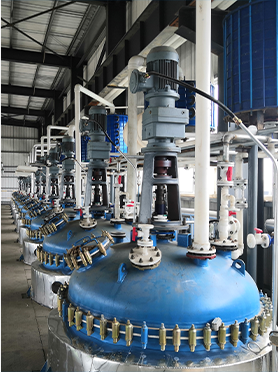
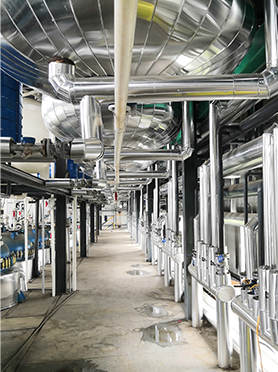
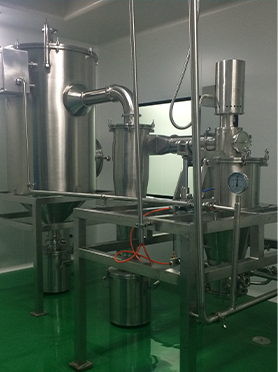
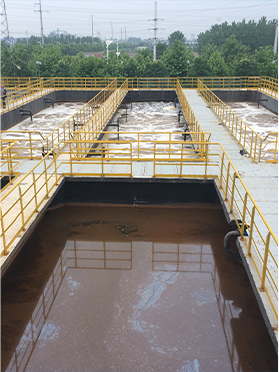
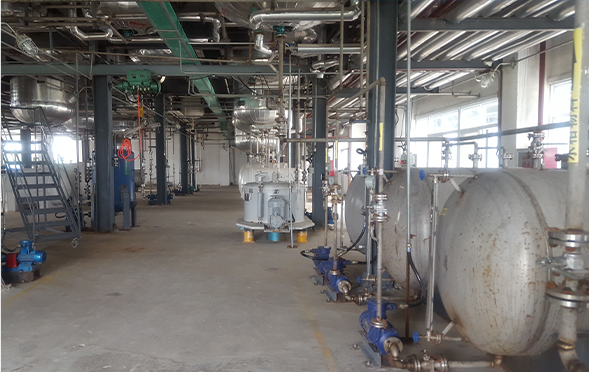
Manufacturing Facilities
Professional Export Experience
to Global Customers
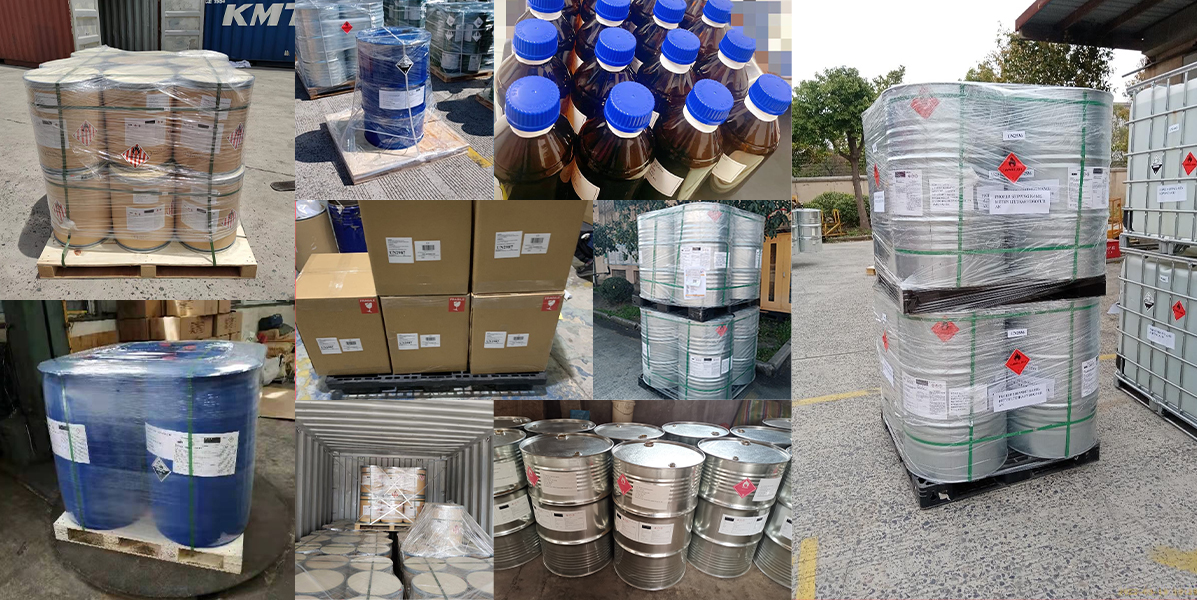
1. 20 years of R&D, manufacturing and sales experience, serving customers in 60 countries and regions around the world;
2. Own R&D laboratory, pilot platform and large-scale production workshop, which can meet the audit requirements of global customers;
3. We can satisfy customers' perfect transition from small scale lab requirements (gram level) to commercialization requirements (hundred tons level).
A: We don't have Minimum Order Quantity, exact quantity should be provided before quotation for us to calculate the exact cost.
A: We don't provide free samples due to lots of request and expensive international courier's cost, we can deduct the sample charge after commercial order placed.
A: Our payment terms: Small or sample order: T/T IN ADVANCE. Commercial order: First order should be by T/T IN ADVANCE or L/C at sight, and following orders T/T 30~90days is acceptable subject to approval of credit application.