
Custom Manufacturing, Project Outsourcing, your Trusted Partner from China
Trichloroisocyanuric Acid (TCCA) is a well-established disinfectant that effectively sanitizes swimming pool water by releasing chlorine. Its role in water treatment is primarily to combat microbial contamination. However, recent scientific investigations are revealing that TCCA's interaction with water also alters its physical, specifically electrical, properties. These alterations are not merely incidental; they can be precisely measured and analyzed, offering a new lens through which to view water quality and the efficacy of TCCA treatments. This approach aligns with the growing trend towards data-driven water management.
One of the key physical properties being studied is the electrical conductivity of the water. Conductivity is a measure of how well a substance conducts electricity, which is directly influenced by the number and mobility of ions present. TCCA, being a chemical compound, dissociates in water, releasing ions such as chloride. As the concentration of TCCA increases, so does the concentration of these ions, leading to a measurable increase in the water's electrical conductivity. This principle forms the basis for using conductivity as an indirect indicator of TCCA levels and, by extension, the level of active chlorine in the pool. Monitoring this impact of TCCA on water conductivity is crucial for accurate dosage and maintaining optimal sanitizer levels.
Beyond simple conductivity, more advanced techniques like impedance spectroscopy are being employed. This method analyzes the electrical response of the water across a spectrum of frequencies. The data obtained from impedance spectroscopy can reveal complex information about the water's composition and structure, including the presence of different charge carriers and the dynamics of their movement. By fitting this data to equivalent electrical circuit models, researchers can extract parameters such as relaxation times, which are influenced by the concentration of TCCA and other dissolved substances. These parameters provide a granular understanding of the water's electrical behavior.
The significance of these findings lies in their potential to enhance pool management strategies. Traditional methods of testing pool water, while essential, often provide a snapshot of specific chemical parameters. Analyzing electrical properties, however, can offer a more continuous and dynamic assessment of water quality. For instance, changes in relaxation times or conductivity could signal shifts in TCCA concentration, the presence of byproducts, or other changes in water chemistry that might not be immediately apparent through standard testing. This advanced analysis aids in optimizing pool sanitation with TCCA by providing real-time feedback on the disinfectant's performance.
In conclusion, Trichloroisocyanuric Acid is more than just a disinfectant; it's also a key player in understanding the complex electrical behavior of swimming pool water. By studying its impact on conductivity and other electrical properties, pool managers and researchers can unlock new methods for precise water quality monitoring. This deeper understanding ultimately contributes to maintaining safer, cleaner, and more enjoyable swimming environments, showcasing the evolving science behind everyday water treatment.
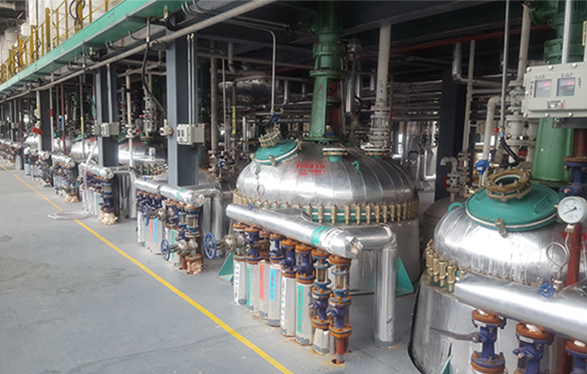
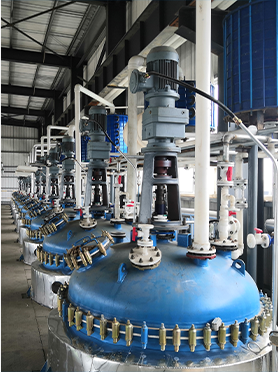
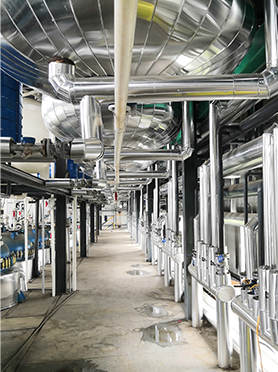
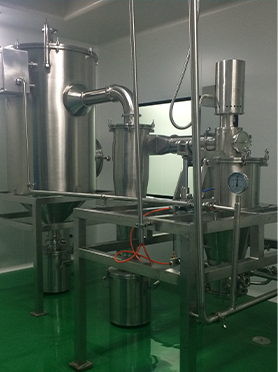
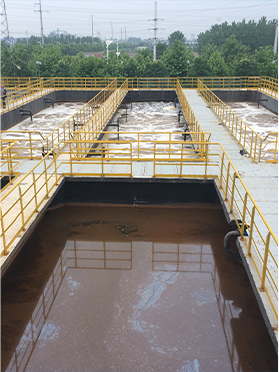
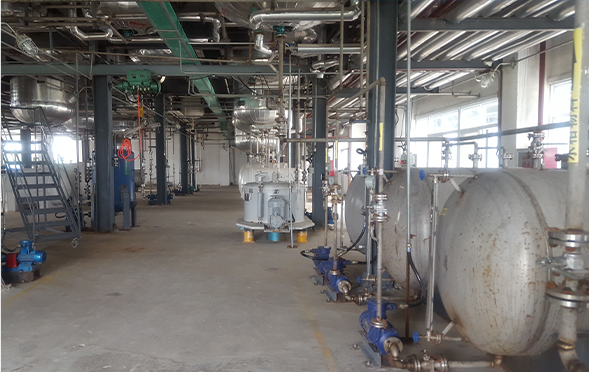
Manufacturing Facilities
Professional Export Experience
to Global Customers
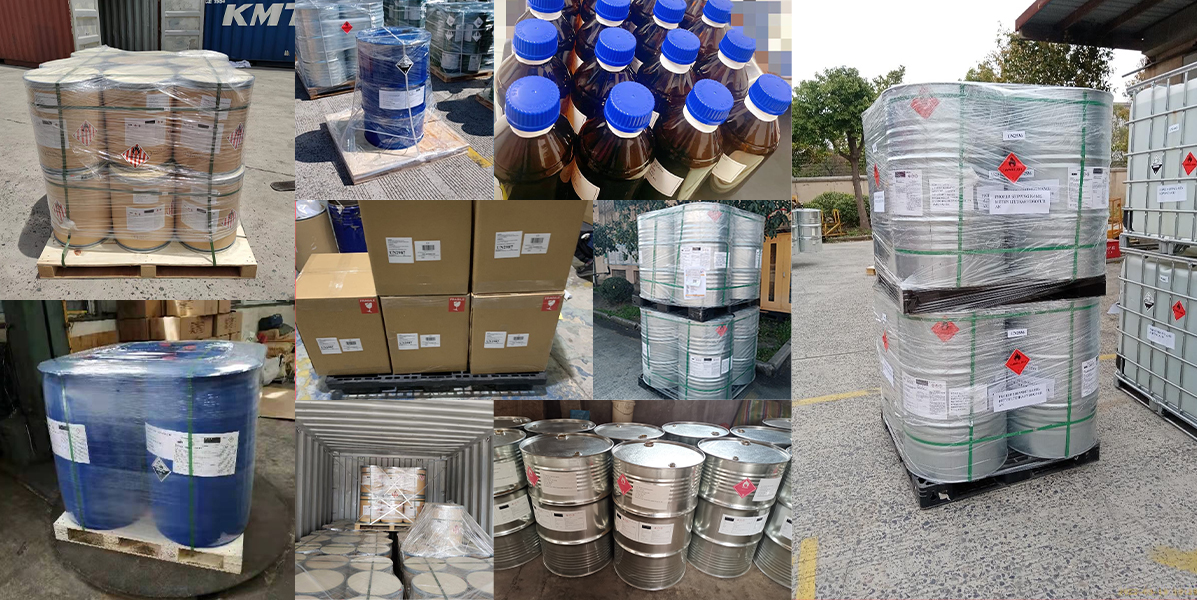
1. 20 years of R&D, manufacturing and sales experience, serving customers in 60 countries and regions around the world;
2. Own R&D laboratory, pilot platform and large-scale production workshop, which can meet the audit requirements of global customers;
3. We can satisfy customers' perfect transition from small scale lab requirements (gram level) to commercialization requirements (hundred tons level).
A: We don't have Minimum Order Quantity, exact quantity should be provided before quotation for us to calculate the exact cost.
A: We don't provide free samples due to lots of request and expensive international courier's cost, we can deduct the sample charge after commercial order placed.
A: Our payment terms: Small or sample order: T/T IN ADVANCE. Commercial order: First order should be by T/T IN ADVANCE or L/C at sight, and following orders T/T 30~90days is acceptable subject to approval of credit application.