
Custom Manufacturing, Project Outsourcing, your Trusted Partner from China
Amylopectin is a highly branched polysaccharide, featuring both alpha-1,4 and alpha-1,6 glycosidic linkages. This complex, bushy structure allows it to absorb water efficiently and contributes significantly to the thickening and gelling properties of starches. When starch gelatinizes, Amylopectin plays a key role in creating a smooth, often translucent, paste or gel. Its branched nature means it tends to break down more readily during digestion, which can lead to a faster release of glucose into the bloodstream, potentially resulting in higher glycemic responses compared to starches with a higher amylose content.
Amylose, on the other hand, is a linear or slightly helical polysaccharide composed solely of alpha-1,4 glycosidic linkages. This linear structure allows amylose molecules to pack more tightly and form stronger gels upon cooling, often resulting in a more opaque and firm texture. In terms of digestion, amylose is broken down more slowly, leading to a more gradual release of glucose and a lower glycemic impact. Foods rich in amylose are often associated with a higher proportion of resistant starch, which is beneficial for gut health and blood sugar control.
The ratio of Amylopectin to Amylose in a given starch source dictates its unique properties. For instance, cornstarch typically contains about 20-25% amylose and 75-80% amylopectin, while waxy cornstarch is almost entirely amylopectin. This difference is why waxy cornstarch produces a clearer, more viscous paste that resists retrogradation (staling), making it ideal for applications requiring heat and freeze-thaw stability. For manufacturers, knowing these differences is key when deciding where to find Amylopectin powder or other starch types to buy. The price of Amylopectin can vary based on its purity and source, but its specific functionalities often make it a valuable ingredient.
Comparing tapioca starch vs. Amylopectin, for example, reveals that tapioca starch also has a relatively low amylose content, contributing to its clear, gel-like consistency and good freeze-thaw stability. However, the precise structural nuances of different Amylopectin sources can offer subtle yet important differences in texture and processing behavior. Understanding the science behind these starch components allows for more informed choices in food formulation, from selecting the right thickener to managing the nutritional profile of the final product.
In conclusion, the distinction between Amylopectin and Amylose is fundamental to understanding starch functionality in food. While Amylopectin's branched structure excels in thickening and providing a desirable texture, its digestive properties are also noteworthy. By appreciating these differences, food professionals can effectively leverage starches to create products that are not only palatable but also meet specific formulation and health-conscious requirements. Sourcing quality Amylopectin from suppliers in China ensures access to this vital ingredient for informed food innovation.
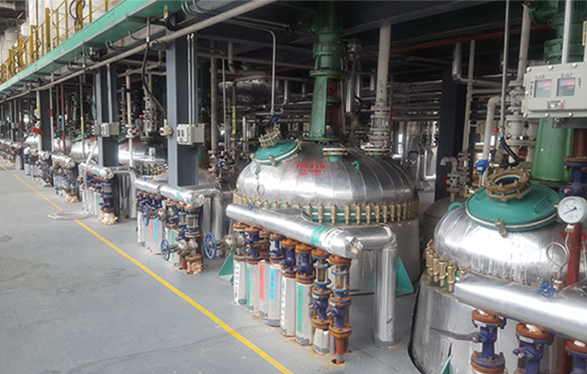
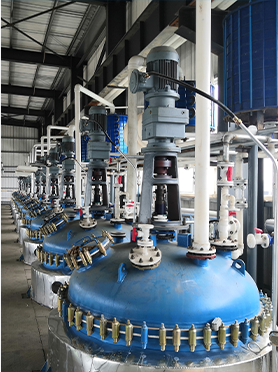
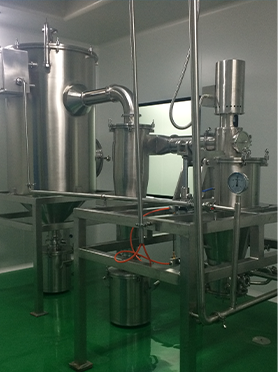
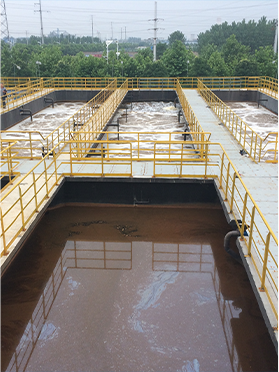
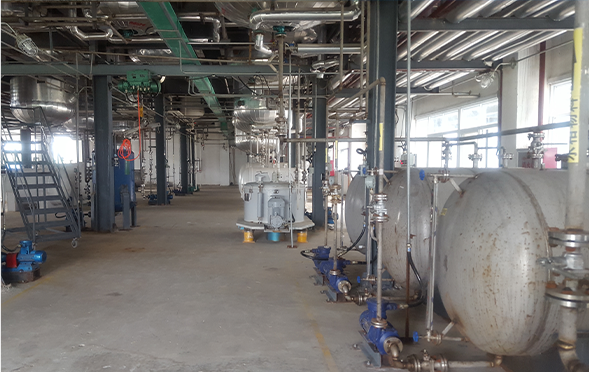
Manufacturing Facilities

Professional Export Experience
to Global Customers
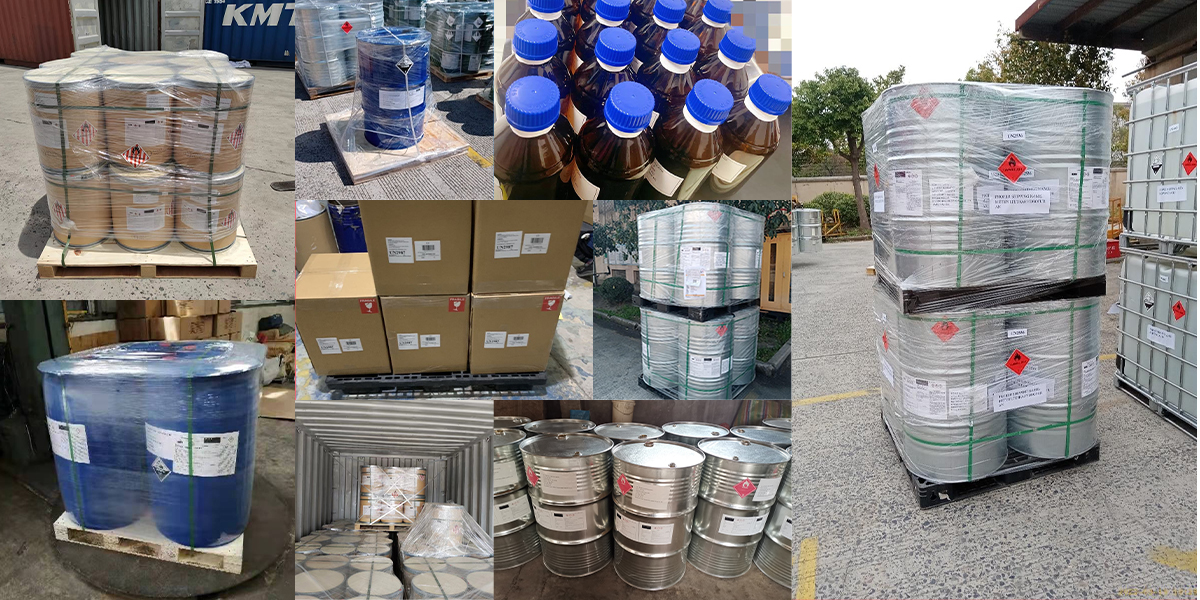
1. 20 years of R&D, manufacturing and sales experience, serving customers in 60 countries and regions around the world;
2. Own R&D laboratory, pilot platform and large-scale production workshop, which can meet the audit requirements of global customers;
3. We can satisfy customers' perfect transition from small scale lab requirements (gram level) to commercialization requirements (hundred tons level).
A: We don't have Minimum Order Quantity, exact quantity should be provided before quotation for us to calculate the exact cost.
A: We don't provide free samples due to lots of request and expensive international courier's cost, we can deduct the sample charge after commercial order placed.
A: Our payment terms: Small or sample order: T/T IN ADVANCE. Commercial order: First order should be by T/T IN ADVANCE or L/C at sight, and following orders T/T 30~90days is acceptable subject to approval of credit application.