20 YEARS OF PROFESSIONAL & DEDICATED SERVICE TO GLOBAL CUSTOMERS

Custom Manufacturing, Project Outsourcing, your Trusted Partner from China

Analytical Techniques for 3-Isopropylphenol: Ensuring Quality and Purity

In chemical research and industrial applications, accurate characterization of compounds is fundamental to ensuring product quality, process efficiency, and research validity. For 3-Isopropylphenol (CAS 618-45-1), a versatile intermediate used in agrochemicals, pharmaceuticals, and materials science, a range of analytical and spectroscopic techniques are employed to confirm its identity, purity, and structural integrity.

Chromatographic Methods for Separation and Quantification:

Chromatography is indispensable for separating 3-Isopropylphenol from reaction mixtures or complex matrices and for quantifying its concentration. The primary techniques include:

  1. Gas Chromatography-Mass Spectrometry (GC-MS): GC-MS is a powerful method for identifying and quantifying volatile organic compounds like 3-Isopropylphenol. The separation is achieved through a GC column, followed by detection and mass analysis in the MS detector. This technique provides information on the molecular weight and fragmentation patterns, confirming the compound's identity. Derivatization, such as converting the phenolic hydroxyl group to a silyl ether or pentafluorobenzoate ester, can enhance volatility and detectability for GC analysis, especially in complex samples.
  2. High-Performance Liquid Chromatography (HPLC): HPLC, particularly reverse-phase HPLC with UV detection, is widely used for purity assessment and quantification. A mobile phase typically consisting of a water-acetonitrile or water-methanol gradient, often with a small amount of acid like formic acid, is used to elute the compound. UV detection at specific wavelengths characteristic of phenolic compounds allows for sensitive detection and accurate quantification against a reference standard.

Spectroscopic Techniques for Structural Elucidation:

Spectroscopy provides crucial insights into the molecular structure of 3-Isopropylphenol:

  1. Nuclear Magnetic Resonance (NMR) Spectroscopy: NMR, especially ¹H NMR and ¹³C NMR, is the gold standard for structural elucidation. These techniques provide detailed information about the chemical environment of hydrogen and carbon atoms within the molecule, allowing for the unambiguous confirmation of the isopropyl group's position relative to the hydroxyl group on the benzene ring.
  2. Infrared (IR) Spectroscopy: FT-IR spectroscopy identifies characteristic functional groups. For 3-Isopropylphenol, key absorptions would include the O-H stretching band (around 3300-3600 cm⁻¹), C-H stretching bands for the aromatic and isopropyl groups, and various bands related to the aromatic ring vibrations.
  3. UV-Visible Spectroscopy: UV-Vis spectroscopy is used to study the electronic transitions within the molecule, primarily the π → π* transitions of the aromatic ring. This technique helps in confirming the presence of the conjugated system and can be used for quantitative analysis when coupled with Beer-Lambert law.

Computational Chemistry for Deeper Understanding:

Computational methods, such as Density Functional Theory (DFT), play a vital role in complementing experimental data. DFT calculations can predict molecular geometry, vibrational frequencies (which can be correlated with IR and Raman spectra), and electronic properties like frontier molecular orbitals (HOMO-LUMO gap) and molecular electrostatic potential (MEP). These theoretical insights aid in a more profound understanding of the compound's structure-property relationships and reactivity.

Quality Control and Sourcing:

For researchers and manufacturers looking to buy 3-Isopropylphenol, ensuring the quality of the material is paramount. Partnering with reputable manufacturers who provide comprehensive analytical data, including GC-MS and HPLC chromatograms, along with NMR and IR spectra, is essential. This diligence guarantees that the 3-Isopropylphenol (CAS 618-45-1) used meets the required specifications for your critical applications.

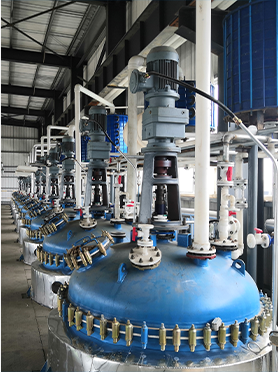
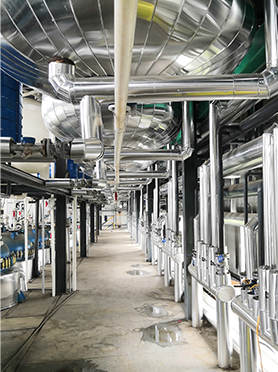
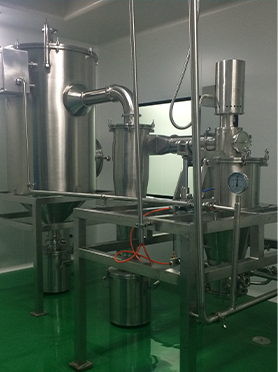
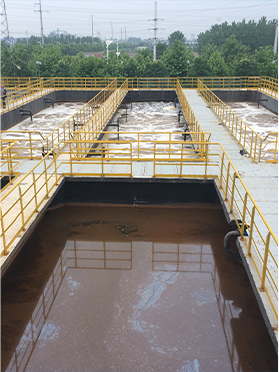
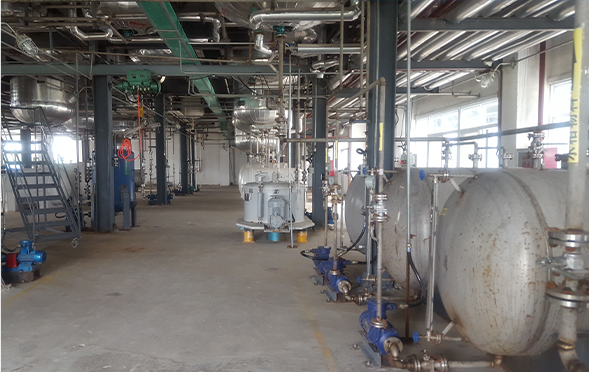
Manufacturing Facilities
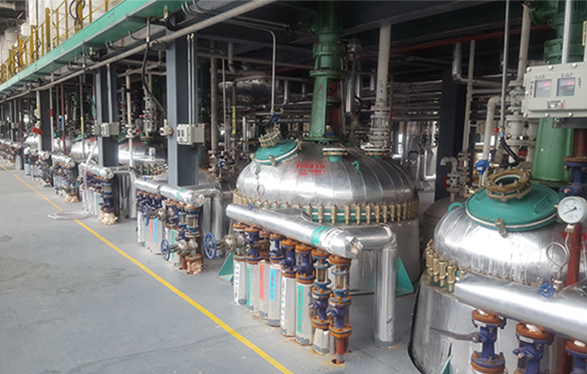
NINGBO INNO PHARMCHEM CO.,LTD. was established in 2007. It is committed to the R&D, production and sales of raw materials, pharmaceutical intermediates and fine chemicals. We striving to create a high-efficiency and high-quality integrated chemical service platform to better serve domestic and foreign customers.

Professional Export Experience

to Global Customers
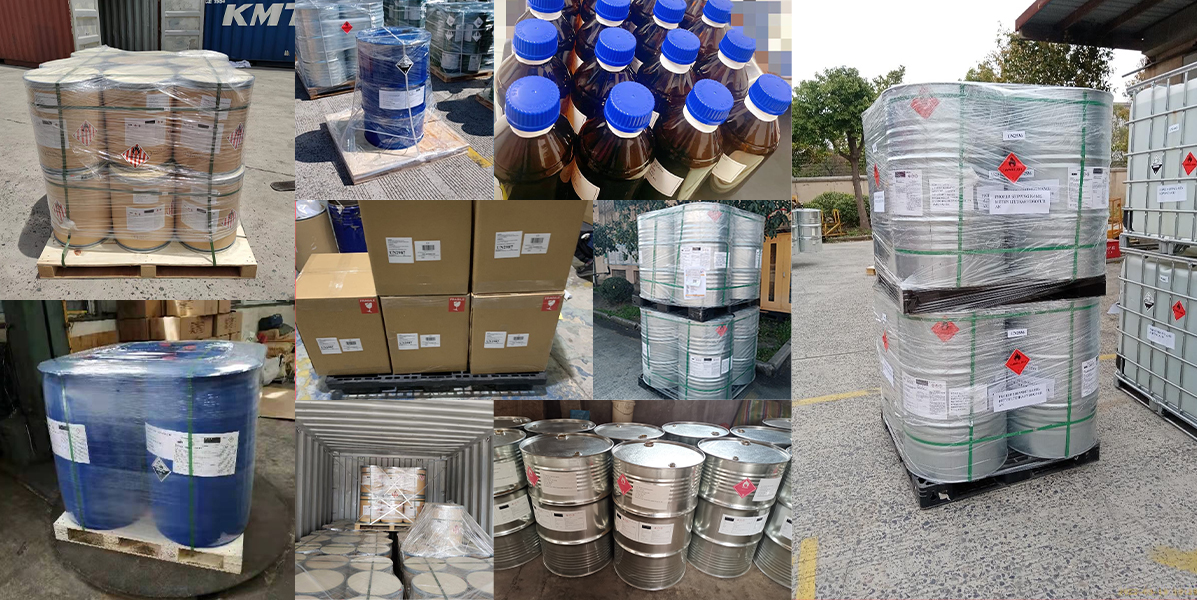
WHY CHOSE US?

1. 20 years of R&D, manufacturing and sales experience, serving customers in 60 countries and regions around the world;

2. Own R&D laboratory, pilot platform and large-scale production workshop, which can meet the audit requirements of global customers;

3. We can satisfy customers' perfect transition from small scale lab requirements (gram level) to commercialization requirements (hundred tons level).

FAQ

  • A: We don't have Minimum Order Quantity, exact quantity should be provided before quotation for us to calculate the exact cost.

  • A: We don't provide free samples due to lots of request and expensive international courier's cost, we can deduct the sample charge after commercial order placed.

  • A: Our payment terms: Small or sample order: T/T IN ADVANCE. Commercial order: First order should be by T/T IN ADVANCE or L/C at sight, and following orders T/T 30~90days is acceptable subject to approval of credit application.


CONTACT US
Should you need to contact us; you may call during regular business hours, Monday through Friday, 8am – 6 pm.
NINGBO INNO PHARMCHEM CO.,LTD.
Address: No.163 Ruiqing Rd.,Ningbo 315000 China
Phone: 86-574-87319282
Fax: 86-574-27912196
SEND US AN EMAIL

NAME*

EMAIL*

COMPANY

COUNTRY*

MESSAGE*

Previous: Environmental Impact and Safety of 3-Isopropylphenol: An Ecotoxicology Overview

Next: Mastering Gas Purity: The Role of 13X Molecular Sieves

All Rights Reserved